

XPS Foam Core 50 kg/m³ is a high-density structural core engineered for demanding sandwich panel applications. It combines superior compressive strength, excellent dimensional stability, and low water absorption with lightweight performance, making it ideal for construction, transportation, marine, and industrial composite systems.
Introduction
As composite sandwich structures continue to replace traditional solid materials across construction, transportation, marine, and industrial sectors, the performance of the core material has become a decisive factor in overall structural integrity. XPS Foam Core with a density of 50 kg/m³ represents a premium-grade solution designed for applications where high compressive strength, dimensional stability, moisture resistance, and long-term durability are essential.
Compared with conventional low-density insulation-grade XPS, the 50 kg/m³ XPS Foam Core is engineered specifically for load-bearing and structural reinforcement applications. Its closed-cell microstructure, precise extrusion process, and optimized polymer formulation enable superior mechanical performance while maintaining the lightweight advantages inherent to extruded polystyrene foam.
This article provides a comprehensive overview of the raw materials, manufacturing process, key performance characteristics, and application scenarios of XPS Foam Core 50 kg/m³, supported by technical data tables to enhance clarity and credibility for professional decision-makers.
Raw Materials and Formulation
Base Polymer Selection
XPS Foam Core is manufactured from high-purity polystyrene resin, selected for its balanced mechanical strength, chemical stability, and thermal insulation properties. For 50 kg/m³ density grades, the polymer formulation is further enhanced to improve load resistance and creep performance.
Key material components include:
- Virgin polystyrene resin for consistent cell structure and strength
- High-performance blowing agents to achieve uniform closed-cell formation
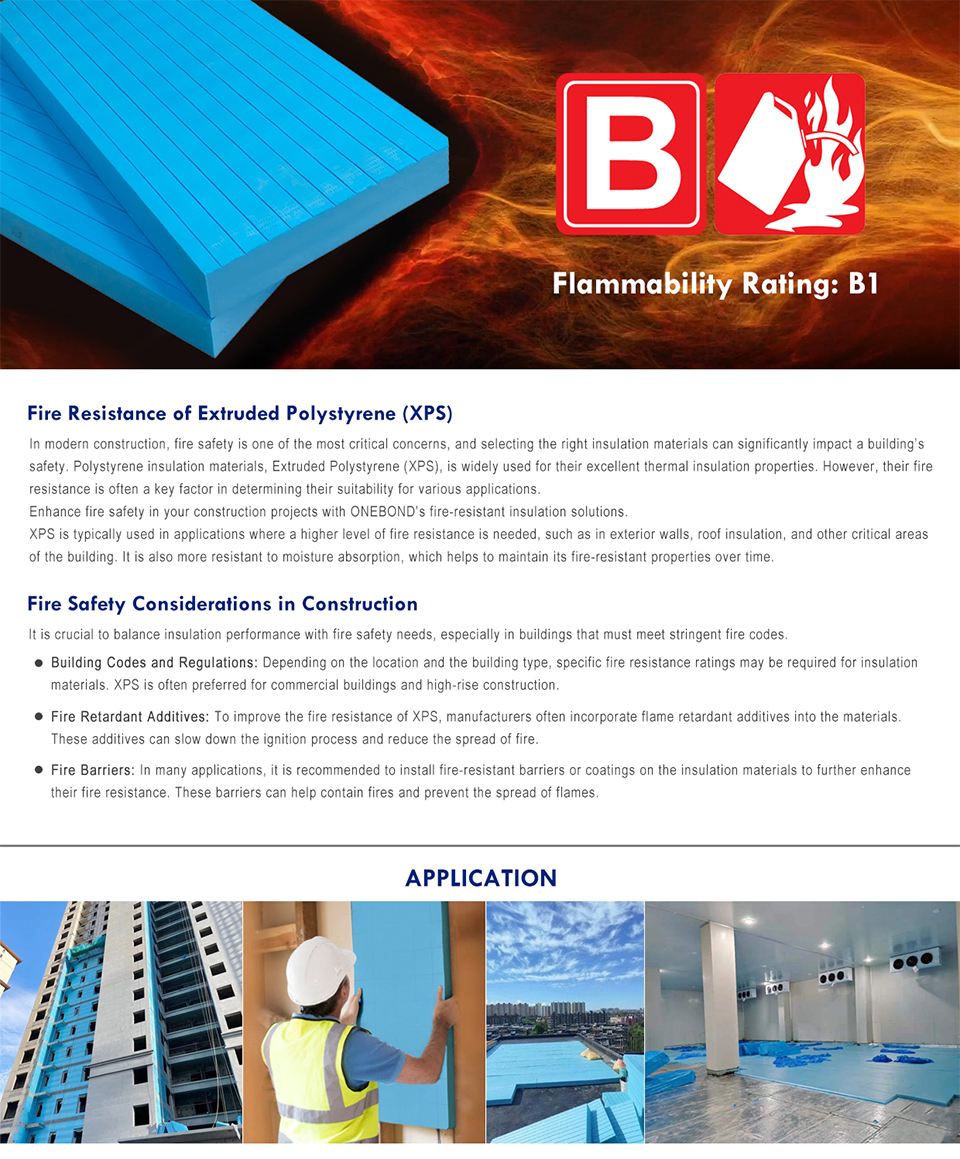
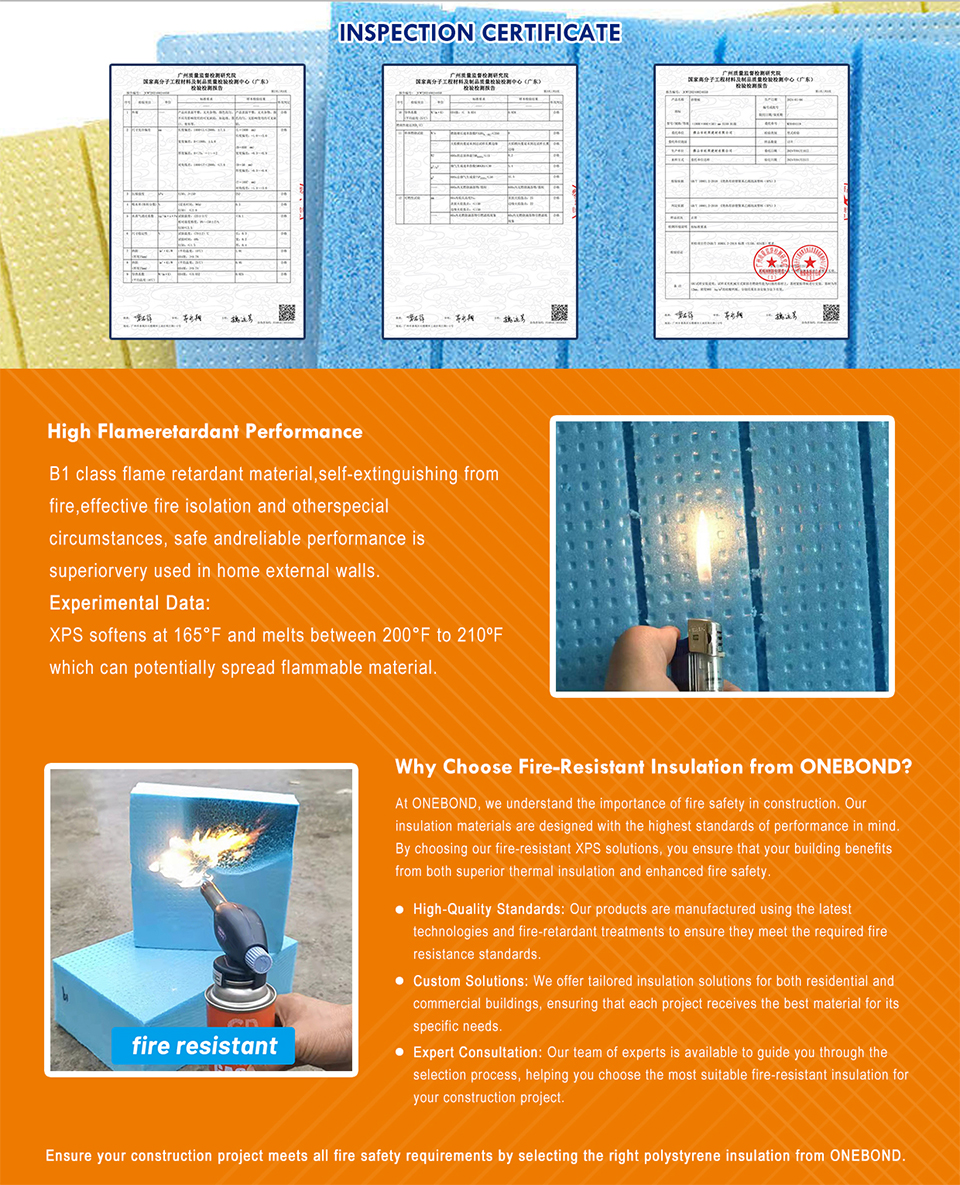
- Flame-retardant additives (optional) meeting international fire safety standards
- Processing stabilizers to ensure extrusion consistency at high density
The use of controlled raw materials ensures excellent repeatability, low defect rates, and predictable mechanical behavior in demanding structural environments.
Manufacturing Process
Advanced Extrusion Technology
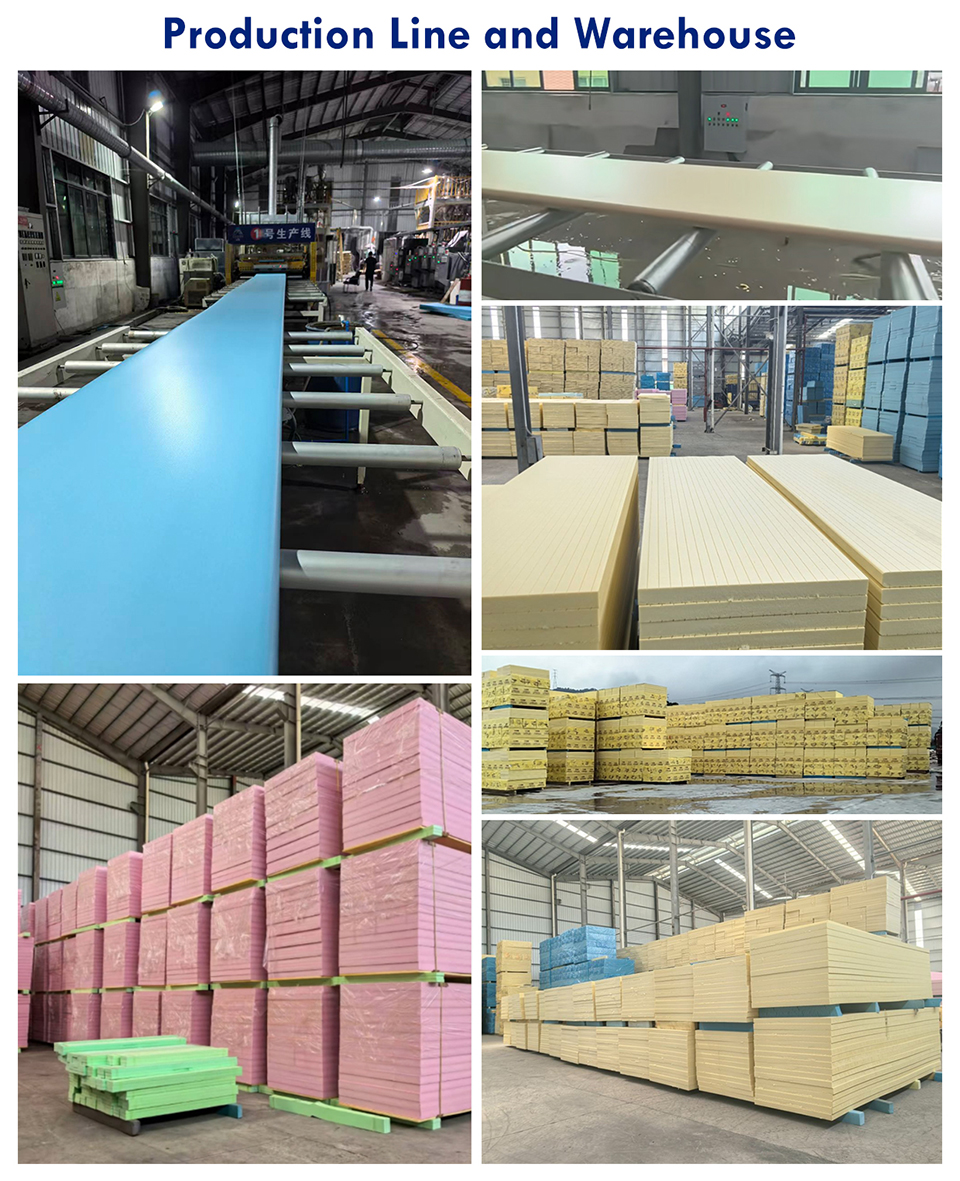
The production of 50 kg/m³ XPS Foam Core requires significantly tighter process control compared to standard insulation-grade XPS. The core is produced using a continuous extrusion foaming process, where molten polystyrene is mixed with blowing agents under high pressure and precisely expanded through a calibrated die.
Key manufacturing steps include:
- Polymer melting and homogenization under controlled temperature and pressure
- Injection of blowing agents to initiate microcellular foam formation
- High-pressure extrusion to achieve targeted density and thickness
- Controlled cooling and shaping to stabilize closed-cell structure
- Precision cutting and surface finishing according to application requirements
This process results in a fine, uniform closed-cell structure, which is critical for achieving high compressive strength, low water absorption, and excellent dimensional stability.
Physical and Mechanical Performance
Density-Driven Structural Advantages
At 50 kg/m³, XPS Foam Core occupies the upper range of density within extruded polystyrene materials, delivering performance characteristics that approach or exceed alternative core materials in certain structural applications.
Typical Physical Properties
| Property | Unit | Typical Value |
|---|---|---|
| Density | kg/m³ | 50 ± 5% |
| Cell Structure | – | Closed-cell |
| Water Absorption (28 days) | % by volume | ≤ 0.3 |
| Operating Temperature Range | °C | -50 to +75 |
| Thermal Conductivity | W/(m·K) | 0.030–0.033 |
The extremely low water absorption ensures long-term performance even in humid, submerged, or freeze–thaw environments.
Mechanical Properties
The mechanical strength of XPS Foam Core 50 kg/m³ makes it suitable for high-load sandwich panels and reinforced composites.
| Mechanical Property | Unit | Typical Value |
|---|---|---|
| Compressive Strength (10% deformation) | MPa | 2.0 – 2.5 |
| Compressive Modulus | MPa | 45 – 60 |
| Flexural Strength | MPa | 3.5 – 5.0 |
| Shear Strength | MPa | 1.0 – 1.3 |
| Shear Modulus | MPa | 25 – 35 |
These values allow the foam core to maintain structural integrity under sustained loads, making it an excellent alternative to heavier core materials in many applications.
Dimensional Stability and Durability
Long-Term Stability
One of the key advantages of high-density XPS Foam Core is its exceptional dimensional stability under thermal and mechanical stress. The extrusion process locks the polymer chains into a uniform cellular matrix, minimizing shrinkage, warping, and creep over time.
| Stability Parameter | Test Condition | Typical Result |
|---|---|---|
| Linear Shrinkage | 70 °C, 48 h | ≤ 0.5% |
| Creep Deformation | 0.5 MPa, 50 °C | Minimal |
| Freeze–Thaw Resistance | 300 cycles | No structural damage |
This stability is critical for applications where precision tolerances and long service life are required.
Compatibility with Composite Skins
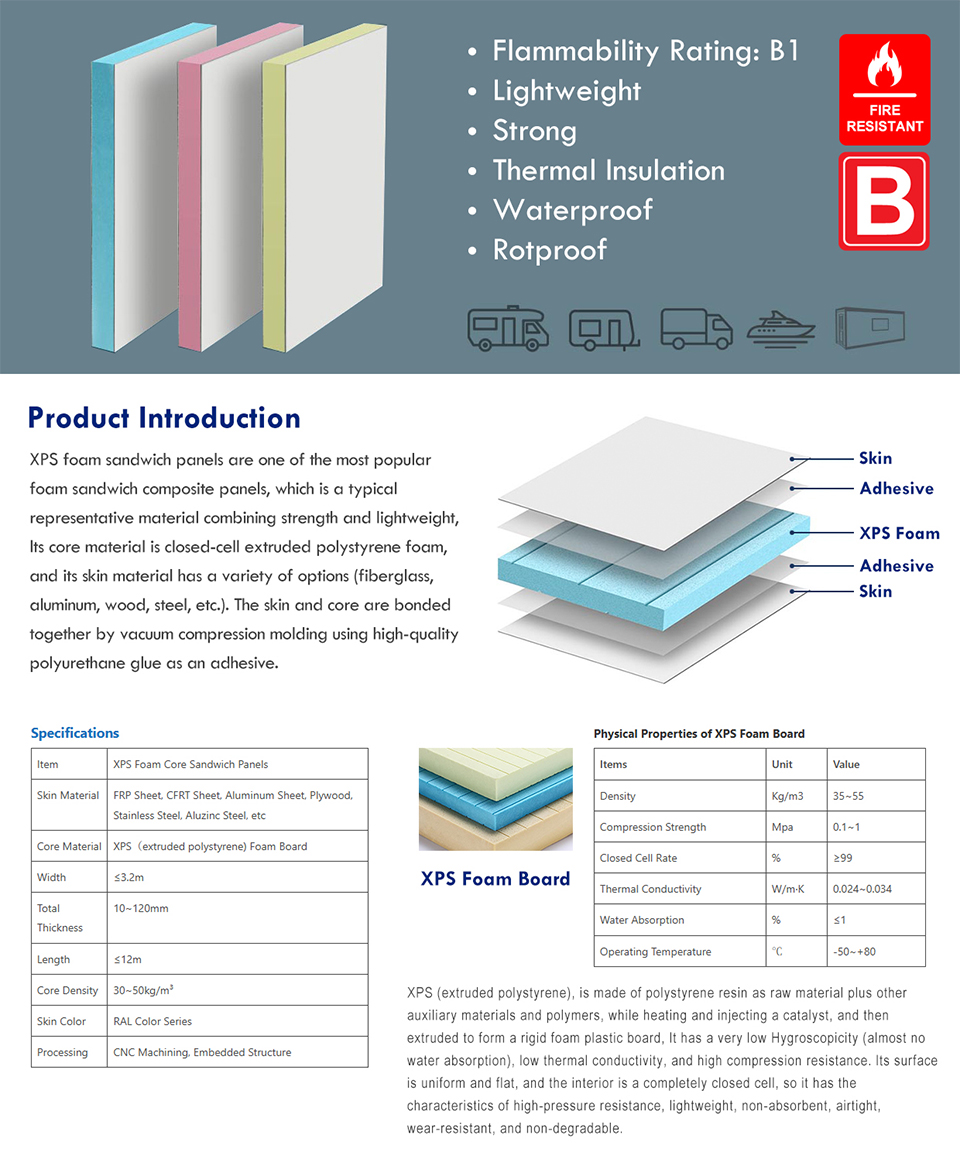
XPS Foam Core 50 kg/m³ is fully compatible with a wide range of composite facing materials, making it ideal for sandwich panel construction.
Compatible skins include:
- FRP (fiberglass reinforced plastic)
- CFRP (carbon fiber reinforced polymer)
- Aluminum sheets
- Stainless steel
- Cementitious or mineral coatings
The foam core demonstrates strong adhesion with common bonding systems such as epoxy, polyurethane, and polyester resins, enabling efficient panel manufacturing and reliable structural performance.
Application Areas
Construction and Infrastructure
In building and infrastructure projects, XPS Foam Core 50 kg/m³ is widely used in:
- Structural insulated panels (SIPs)
- Load-bearing wall and floor panels
- Roof systems requiring high compressive resistance
- Prefabricated modular building components
Its combination of strength, moisture resistance, and thermal insulation enhances both structural performance and energy efficiency.
Transportation and Industrial Applications
The lightweight yet strong nature of high-density XPS Foam Core makes it suitable for:
- Truck and trailer body panels
- Railway interior and flooring systems
- Industrial equipment enclosures
- Cleanroom and laboratory wall systems
Reducing overall weight while maintaining structural rigidity contributes to improved energy efficiency and reduced operational costs.
Marine and Offshore Structures
Due to its closed-cell structure and low water absorption, XPS Foam Core 50 kg/m³ performs reliably in marine environments.
Typical marine applications include:
- Boat and yacht structural panels
- Floating platforms and pontoons
- Offshore equipment housings
The material resists rot, corrosion, and moisture-induced degradation, extending service life in harsh environments.
Environmental and Economic Benefits
While delivering high mechanical performance, XPS Foam Core remains a cost-effective and resource-efficient solution compared to solid materials or heavier core alternatives.
Key benefits include:
- Reduced material usage through lightweight design
- Lower transportation and installation costs
- Long service life with minimal maintenance
- Optional formulations compliant with environmental and fire regulations
These advantages make XPS Foam Core 50 kg/m³ an attractive choice for both technical and commercial considerations.
Conclusion
XPS Foam Core 50 kg/m³ is a high-performance core material engineered for structural support in demanding applications. Through advanced extrusion technology, premium raw materials, and precise density control, it delivers exceptional compressive strength, dimensional stability, and environmental resistance while maintaining the inherent benefits of lightweight foam.
For manufacturers and engineers seeking a reliable core material that balances strength, durability, and efficiency, XPS Foam Core 50 kg/m³ provides a proven solution suitable for construction, transportation, marine, and industrial composite systems.
FAQ:
Q: What makes XPS Foam Core 50 kg/m³ different from standard XPS foam?
A: XPS Foam Core 50 kg/m³ is specifically engineered for structural and load-bearing applications. Compared with standard insulation-grade XPS, it offers significantly higher compressive strength, improved shear performance, and enhanced dimensional stability, making it suitable for sandwich panels and reinforced composite structures.
Q: Why is a density of 50 kg/m³ important for structural support?
A: A density of 50 kg/m³ provides an optimal balance between mechanical strength and weight. At this density, the foam core achieves high compressive resistance and reduced creep under long-term loads while remaining substantially lighter than solid materials or traditional structural cores.
Q: What raw materials are used in XPS Foam Core 50 kg/m³?
A: The core is produced from high-purity virgin polystyrene resin, combined with high-performance blowing agents and processing stabilizers. Optional flame-retardant additives can be incorporated to meet specific fire safety standards without compromising mechanical performance.
Q: How is XPS Foam Core 50 kg/m³ manufactured?
A: It is manufactured using a controlled continuous extrusion foaming process. Polystyrene is melted, mixed with blowing agents under high pressure, extruded through precision dies, and then cooled and shaped to achieve a uniform closed-cell structure and consistent high density.
Q: What are the typical compressive strength values of this XPS foam core?
A: XPS Foam Core 50 kg/m³ typically provides compressive strength in the range of 2.0–2.5 MPa at 10% deformation, making it suitable for high-load applications such as floors, roofs, and structural sandwich panels.
Q: Is XPS Foam Core 50 kg/m³ resistant to water and moisture?
A: Yes. Its closed-cell structure results in very low water absorption, typically ≤ 0.3% by volume after prolonged immersion. This ensures stable performance in humid, wet, or marine environments.
Q: Can XPS Foam Core 50 kg/m³ be used with composite skins?
A: The foam core is fully compatible with a wide range of composite facings, including fiberglass, carbon fiber, aluminum, stainless steel, and cement-based boards. It bonds well with common adhesive systems such as epoxy, polyurethane, and polyester resins.
Q: How does XPS Foam Core 50 kg/m³ perform under long-term load and temperature changes?
A: The material exhibits excellent dimensional stability and low creep under sustained loads. It maintains structural integrity across a wide temperature range and demonstrates minimal shrinkage or deformation during thermal cycling.
Q: What industries commonly use XPS Foam Core 50 kg/m³?
A: Common applications include construction and infrastructure, transportation (truck bodies and rail interiors), marine and offshore structures, and industrial equipment panels where high strength, low weight, and moisture resistance are required.
Q: Is XPS Foam Core 50 kg/m³ a cost-effective solution for structural panels?
A: Yes. By combining high mechanical performance with low weight, the material reduces overall system weight, transportation costs, and installation time, while offering long service life and minimal maintenance, resulting in strong long-term economic value.
