

FRP PVC Foam Sandwich Panel combines FRP skins and PVC foam core, offering lightweight, high-strength, corrosion-resistant panels for marine, transport, construction, and industrial applications.
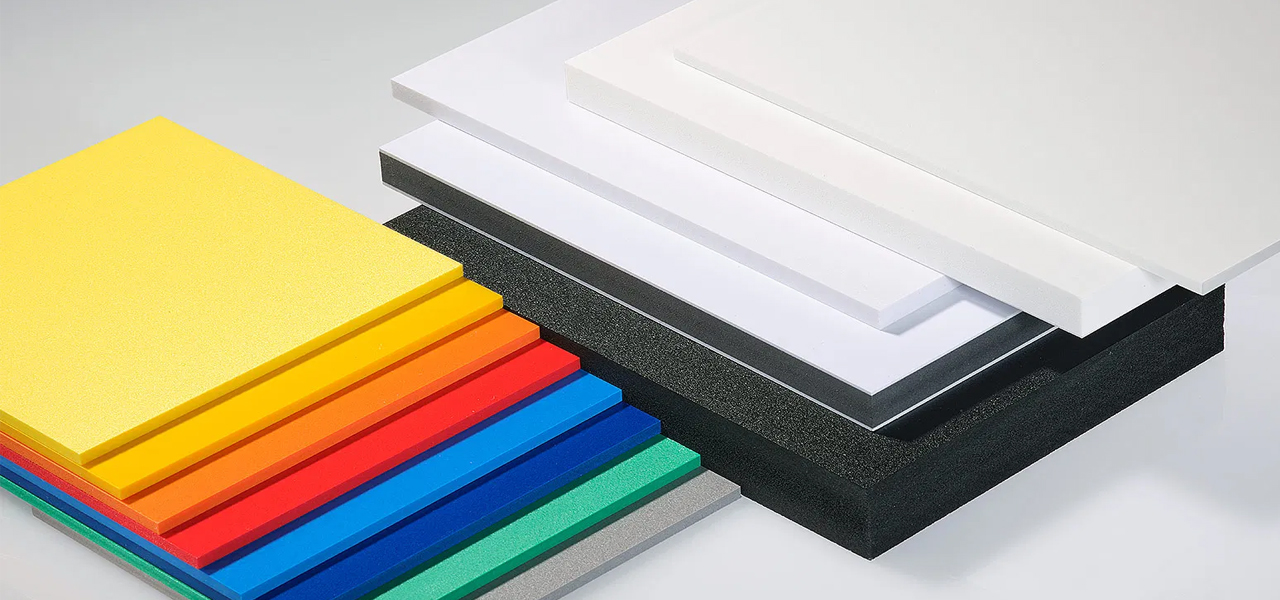



FRP PVC Foam Sandwich Panel is a high-performance composite material designed for applications requiring lightweight construction, high mechanical strength, and durability. By combining fiber-reinforced plastic (FRP) skins with a polyvinyl chloride (PVC) foam core, this sandwich panel provides excellent structural stability, thermal insulation, and chemical resistance.
This composite solution is ideal for industries such as marine, construction, transportation, industrial equipment, and renewable energy, offering a superior strength-to-weight ratio compared with traditional solid panels or plywood. The combination of FRP skins and PVC foam core ensures long service life, low maintenance, and resistance to harsh environmental conditions.
Material Composition
FRP Skins
The panel’s face sheets are made from fiber-reinforced plastics, typically including:
- Reinforcement fibers:
- E-glass fiber (standard)
- Optional carbon fiber or basalt fiber for high-end structural applications
- Resin systems:
- Polyester resin (cost-effective, durable)
- Vinyl ester resin (enhanced chemical resistance)
- Epoxy resin (high strength and fatigue performance)
FRP skins provide tensile and compressive strength, impact resistance, and surface durability.
PVC Foam Core
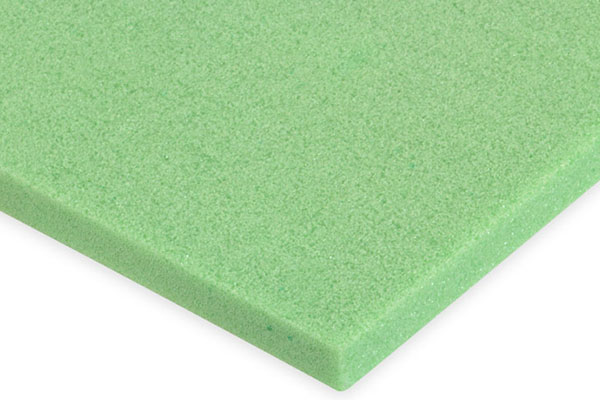
The core material is PVC foam, a closed-cell, lightweight structural foam with excellent physical properties:
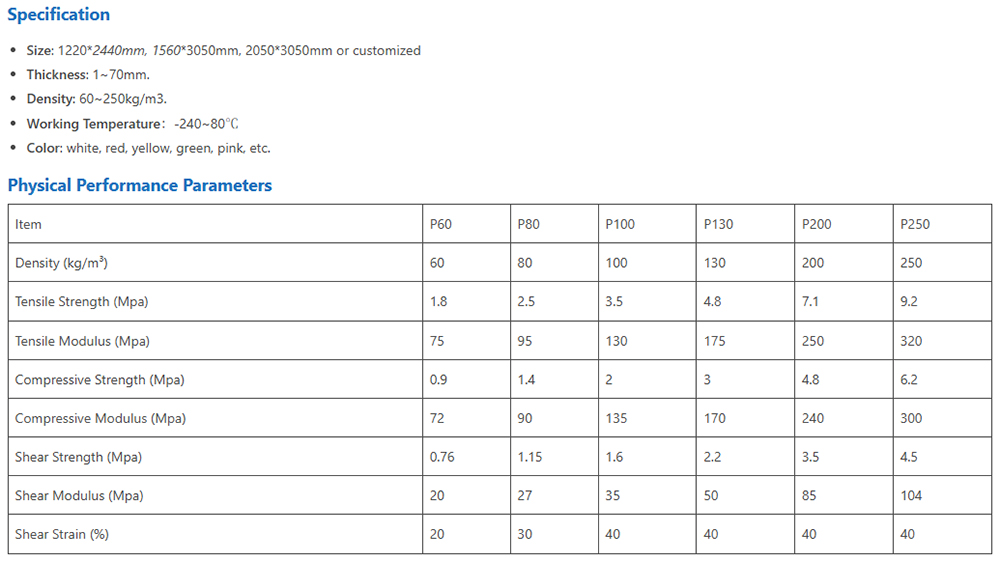
- Low density (typically 30–200 kg/m³)
- High compressive and shear strength
- Excellent dimensional and thermal stability
- Moisture and chemical resistance
- Environmentally friendly and recyclable
PVC foam acts as the primary shear-transfer medium, ensuring the panel maintains rigidity under load while minimizing weight.
Typical Material Properties
| Component | Property | Typical Value |
|---|---|---|
| FRP Skin | Tensile Strength | 250–600 MPa |
| FRP Skin | Flexural Modulus | 18–30 GPa |
| PVC Foam Core | Density | 30–200 kg/m³ |
| PVC Foam Core | Compressive Strength | 0.5–3.0 MPa |
| PVC Foam Core | Shear Strength | 0.6–2.5 MPa |
Manufacturing Process
FRP PVC Foam Sandwich Panels are produced using advanced composite manufacturing techniques for consistent quality and high structural performance.
Core Preparation
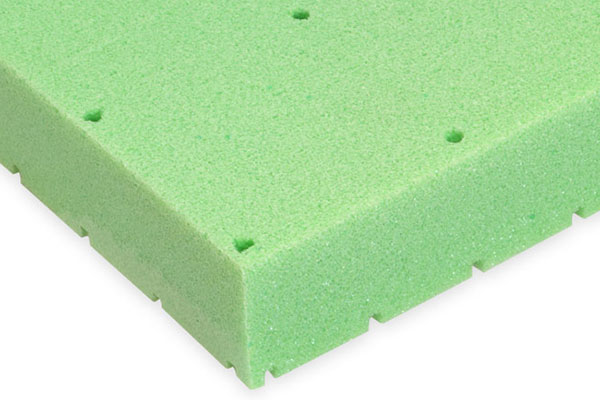
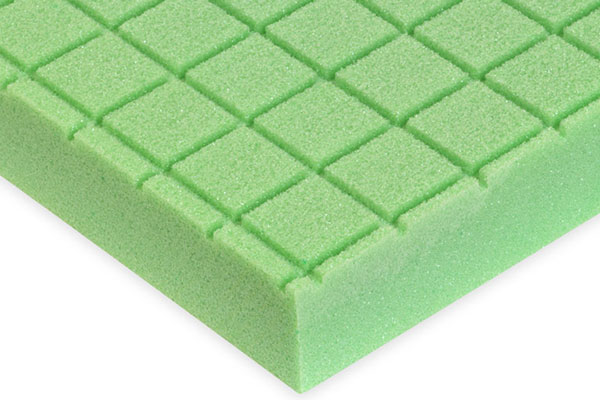
PVC foam sheets are cut to precise dimensions and surface-treated to enhance bonding with FRP skins. For specific applications, grooved or perforated cores may be used to improve resin flow and interfacial adhesion.
Lamination and Bonding
FRP skins are bonded to both sides of the PVC foam core using compatible resin systems. Manufacturing methods include:
- Vacuum-assisted resin infusion (VARTM)
- Compression molding
- Hand lay-up combined with vacuum bagging
- Continuous lamination for large-scale production
Vacuum-assisted processes ensure optimal fiber wet-out, minimal void content, and strong interlaminar bonding.
Curing and Finishing
After curing under controlled temperature and pressure, panels are trimmed and finished. Optional surface treatments, including UV-resistant coatings, gelcoat, anti-slip textures, or fire-retardant layers, can be applied according to project specifications.
Mechanical and Physical Performance
The sandwich structure allows FRP PVC Foam Panels to achieve high bending stiffness with minimal weight. The PVC foam core transfers shear forces efficiently, while the FRP skins carry tensile and compressive stresses.
Typical Panel Performance (Reference Data)
| Property | Test Standard | Typical Range |
|---|---|---|
| Flexural Strength | ASTM C393 | 25–80 MPa |
| Flexural Modulus | ASTM C393 | 1.5–4.5 GPa |
| Compressive Strength | ASTM C365 | 1.0–3.0 MPa |
| Shear Modulus | ASTM C273 | 15–60 MPa |
| Water Absorption | ASTM D570 | < 1.0% |
Thermal, Acoustic, and Environmental Performance
- Thermal conductivity: 0.035–0.045 W/m·K, providing effective insulation
- Sound damping: The foam core reduces vibration and noise transmission
- Environmental resistance: Excellent resistance to water, chemicals, and UV exposure
- Recyclability: Both FRP skins and PVC foam are recyclable and sustainable
The panel’s low moisture absorption and chemical resistance make it suitable for harsh environments, including marine and industrial applications.
Application Areas
Marine and Offshore
- Boat hulls and decks
- Yacht interiors and bulkheads
- Offshore platforms
Transportation
- Truck, bus, and RV floors, walls, and roofs
- Railway vehicle panels
- Lightweight transportation enclosures
Construction and Industrial
- Modular building panels
- Façade cladding and partition walls
- Industrial machine enclosures
- Renewable energy equipment housings
Application-Specific Advantages
| Industry | Key Benefits |
|---|---|
| Marine | Corrosion resistance, lightweight, long-term durability |
| Transportation | Weight reduction, fuel efficiency, structural performance |
| Construction | Thermal insulation, acoustic damping, easy installation |
| Industrial | Chemical resistance, energy absorption, maintenance-free |
Customization and Design Flexibility
FRP PVC Foam Panels can be customized in terms of:
- Panel thickness and core density
- Fiber type and skin layup configuration
- Surface finishes (gelcoat, UV-resistant, anti-slip, fire-retardant)
- Curved or shaped panels for complex designs
This flexibility allows engineers and designers to optimize panels for specific structural and functional requirements.
Conclusion
FRP PVC Foam Sandwich Panel is a lightweight, durable, and versatile composite solution suitable for demanding industrial, marine, transportation, and construction applications. Its combination of FRP skins and PVC foam core ensures high strength-to-weight ratio, corrosion and chemical resistance, thermal insulation, and long service life.
Through advanced manufacturing processes and material optimization, FRP PVC Foam Panels provide reliable, long-term performance, cost efficiency, and environmental sustainability, making them an ideal choice for modern structural and industrial projects.
FAQ:
Q1: What is an FRP PVC Foam Sandwich Panel?
A: A composite panel with FRP skins bonded to a PVC foam core, providing lightweight, strong, and durable structural performance.
Q2: What materials are used in the panel?
A: FRP (fiber-reinforced plastic) for the skins and PVC foam for the core.
Q3: What are the main advantages of this panel?
A: High strength-to-weight ratio, corrosion resistance, thermal insulation, acoustic damping, and chemical resistance.
Q4: In which industries is it commonly used?
A: Marine, transportation, construction, industrial equipment, and renewable energy sectors.
Q5: Can the panels be customized?
A: Yes, thickness, core density, fiber type, surface finish, and fire-retardant properties can all be tailored.
Q6: How is the panel manufactured?
A: Using techniques such as vacuum-assisted resin infusion, compression molding, hand lay-up with vacuum bagging, or continuous lamination.
Q7: What is the typical density of the PVC foam core?
A: Usually between 30–200 kg/m³, depending on application requirements.
Q8: How does the panel perform in humid or wet environments?
A: It has low water absorption and excellent moisture resistance, making it suitable for marine and outdoor applications.
Q9: What are the thermal and acoustic properties?
A: Thermal conductivity is 0.035–0.045 W/m·K; the foam core reduces vibration and noise transmission.
Q10: Is the panel environmentally friendly?
A: Yes, both FRP skins and PVC foam are recyclable, and the panel contributes to sustainable composite solutions.
