
In the field of composite materials, PVC foam core material is a widely used and highly stable lightweight structural material. It is commonly applied in sandwich structures to enhance overall stiffness, strength, and fatigue resistance. As composites become increasingly prevalent in marine construction, wind turbine blades, architectural panels, and automotive lightweighting, PVC foam core has gained attention due to its material stability, processing versatility, and strong cost-performance ratio.
This article provides a comprehensive explanation of PVC foam core material from the perspectives of material definition, microstructure, key performance parameters, processing compatibility, and cross-industry application value.
1. Basic Concept: What Is PVC Foam Core Material?
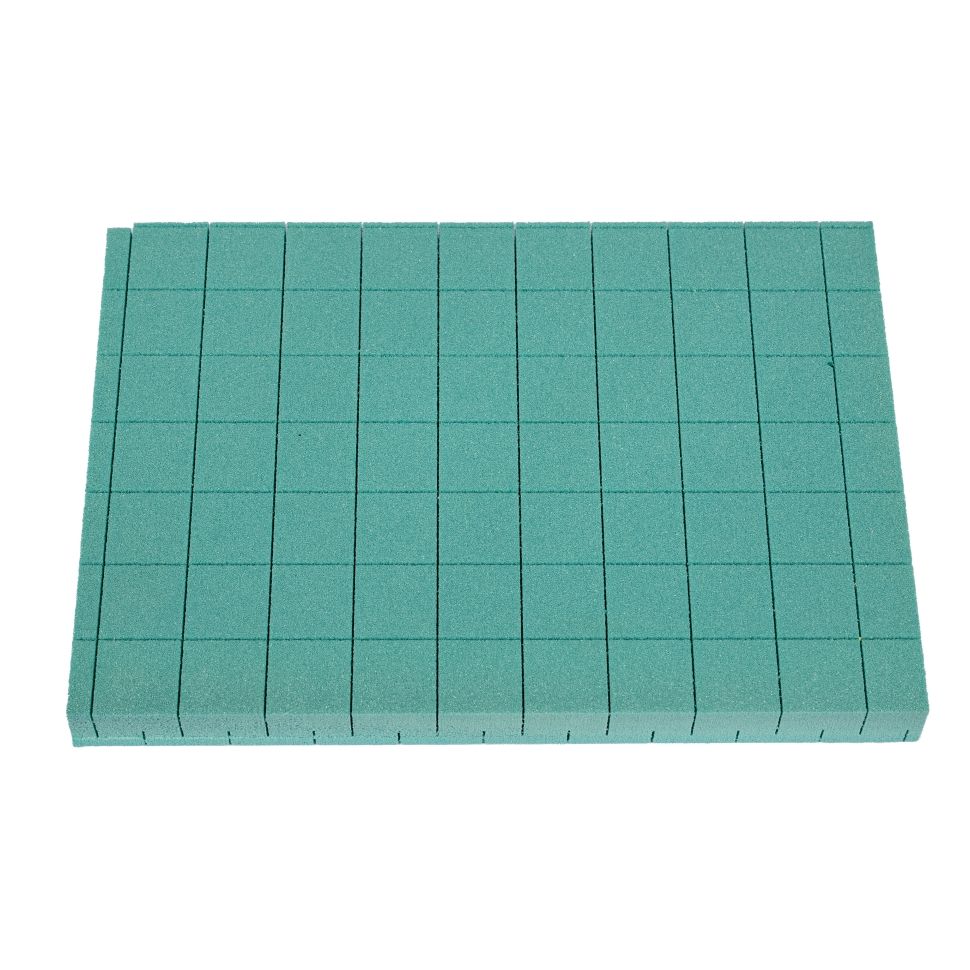
PVC foam core material refers to a lightweight foam board made from polyvinyl chloride (PVC) through chemical or physical foaming processes. Depending on manufacturing variables, it can have a closed-cell or semi-closed-cell structure. Its density range is broad—typically from 50 kg/m³ to 250 kg/m³—allowing engineers to select the appropriate grade based on structural requirements.
In composite systems, PVC foam cores serve as the intermediate layer in sandwich structures, working together with fiberglass, carbon fiber, or other reinforcement materials to form high-strength, lightweight laminates. Because of its balanced mechanical performance and cost efficiency, PVC foam is one of the most mature and widely adopted polymer core materials in the industry.
2. Microstructure: Closed-Cell Foam System and Mechanical Behavior
On the microscopic level, PVC foam core material exhibits a uniform and controlled cell structure, which directly influences mechanical properties. Key structural characteristics include:
2.1 Advantages of a Closed-Cell Structure
- Prevents water penetration due to non-interconnected cells
- Enhances hydrolysis resistance
- Improves compressive strength and shear strength
- Delivers long-term stability in wet or marine environments
Compared with open-cell foam, closed-cell PVC foam offers significantly better reliability under harsh conditions, making it well-suited for marine applications.
2.2 Cell Size Consistency and Mechanical Reliability
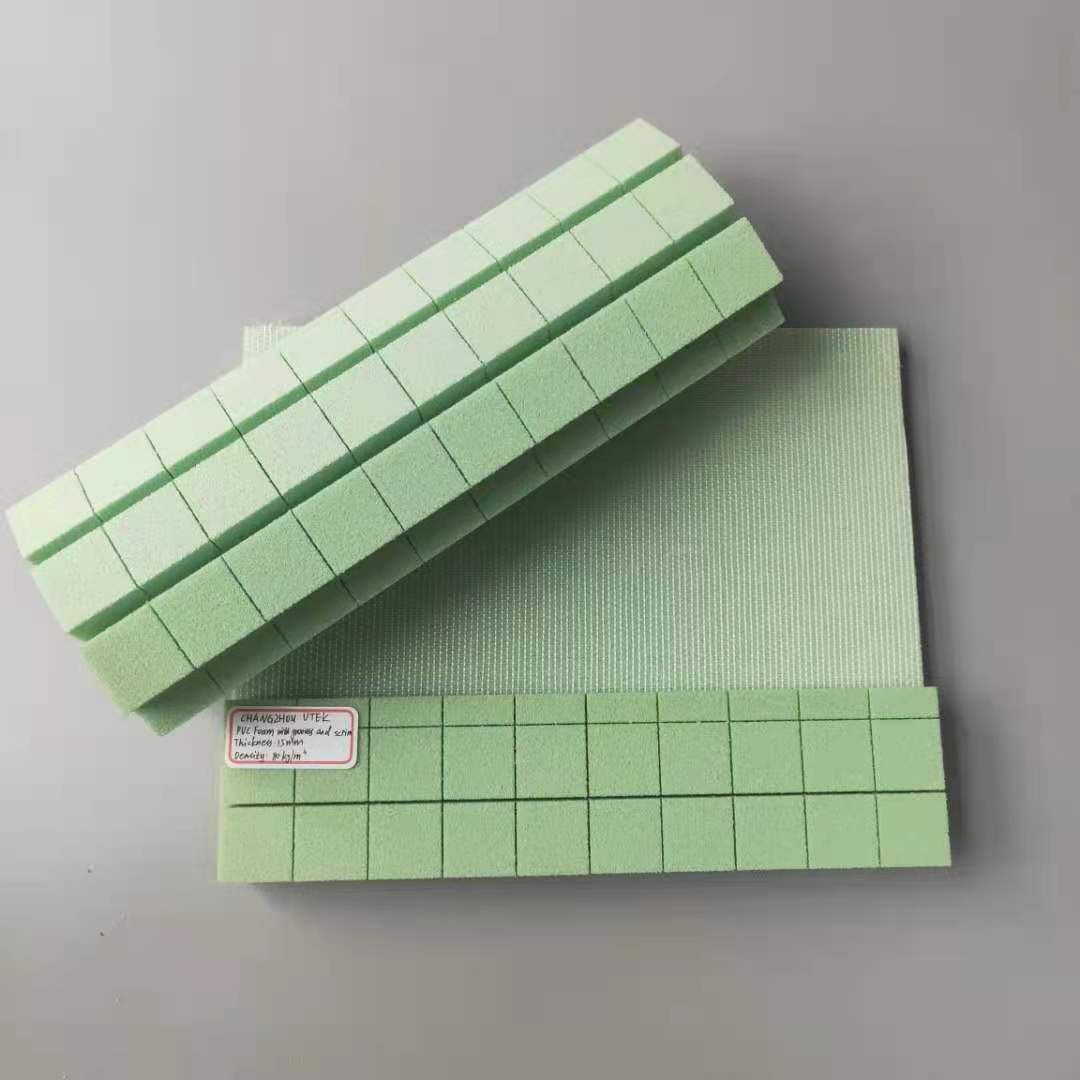
Industrial-grade PVC foam cores feature tightly controlled cell size distribution, ensuring consistent mechanical performance across the entire board. This is crucial for maintaining structural stability under complex loading conditions.
2.3 Density–Performance Relationship
Higher density PVC foam typically exhibits:
- increased compressive strength
- improved shear strength
- enhanced impact resistance
- superior thermal deformation resistance
Engineering design often requires balancing mass and mechanical performance for optimal results.
3. Key Performance Indicators: Engineering Characteristics of PVC Foam Core
3.1 Excellent Compressive and Shear Strength
PVC foam cores primarily bear compressive loads and transfer shear forces within sandwich structures. Compared to other polymer foams, PVC provides higher compressive strength and stiffness, ensuring structural reliability under vibration, fatigue, and impact conditions.
3.2 Outstanding Chemical Stability and Weather Resistance
Due to the inherent chemical resistance of PVC, the foam exhibits strong durability when exposed to:
- salt spray
- humidity
- UV radiation
- weak acids and alkalis
This makes PVC foam an industry-standard core for long-term marine applications.
3.3 Heat Resistance and Flame Retardancy
High-quality PVC foam cores demonstrate good heat distortion performance and varying levels of flame retardancy depending on the formulation and density—beneficial for applications requiring high safety margins.
3.4 Ease of Processing and Broad Compatibility With Resin Systems
PVC foam core material is compatible with a wide range of processing methods:
- CNC milling
- thermoforming
- heat bending
- drilling, cutting, and bonding
- lamination and vacuum infusion
It works well with multiple resin systems:
- epoxy
- vinyl ester
- unsaturated polyester
PVC’s versatility makes it suitable for hand lay-up, infusion, RTM, and prepreg processes.
4. Comparison With Other Core Materials
Common core materials in composites include PVC, PET, SAN, and balsa wood. PVC foam core offers several differentiated advantages:
vs. PET Foam
- Higher strength and better impact toughness
- PET is more environmentally friendly but often slightly more expensive
vs. SAN Foam
- SAN offers higher shear strength but is more brittle and costly
- PVC provides a better balance between performance and price
vs. Balsa Wood
- PVC is lighter, more uniform in density, and more moisture-resistant
- Balsa provides very high stiffness but suffers from inconsistent density and high water absorption
Overall, PVC foam core material remains the most cost-effective solution with strong industrial maturity.
5. Typical Application Scenarios: A Cross-Industry Material Choice
5.1 Marine Industry
Used in hulls, decks, bulkheads, and superstructures, PVC foam exhibits excellent hydrolysis resistance and long-term durability.
5.2 Wind Energy
Widely used in shear webs and shell sections of wind turbine blades to improve stiffness while minimizing weight, thereby boosting efficiency.
5.3 Construction and Building Panels
Ideal for architectural cladding, thermal-insulation panels, and acoustic boards due to its structural and insulation properties.
5.4 Automotive and Rail Transportation
PVC foam supports lightweighting strategies and can be applied in floors, interior panels, and load-bearing interior structures.
5.5 Industrial Equipment and Sporting Goods
Applications include UAV fuselages, kiteboards, kayaks, radomes, and other components requiring high stiffness-to-weight ratios.
6. Market Trends and Future Development
As carbon-reduction policies tighten and demand for lightweighting grows, the market for PVC foam core material continues expanding. Key future trends include:
- Advanced toughened PVC foam formulations improving impact and fracture resistance
- Larger-scale and more uniform foam cell structures enabled by improved manufacturing
- More eco-friendly production processes (lower VOC, recyclable workflows)
- Customized density/performance grades tailored for specific industries
Driven by the growth of the marine economy and renewable energy sectors, PVC foam core material will remain a critical component in structural composite design.
Conclusion
PVC foam core material is one of the most important lightweight materials used in composite sandwich structures. Its closed-cell structure provides excellent water resistance, stable mechanical performance, high processing adaptability, and excellent cost efficiency.
With broad density options, reliable shear and compressive properties, strong weather resistance, and compatibility with various fabrication methods, PVC foam core stands out as a mature and dependable industrial material. As technology and applications continue to evolve, PVC foam core will play an increasingly essential role in high-performance, lightweight structural solutions across multiple industries.
