
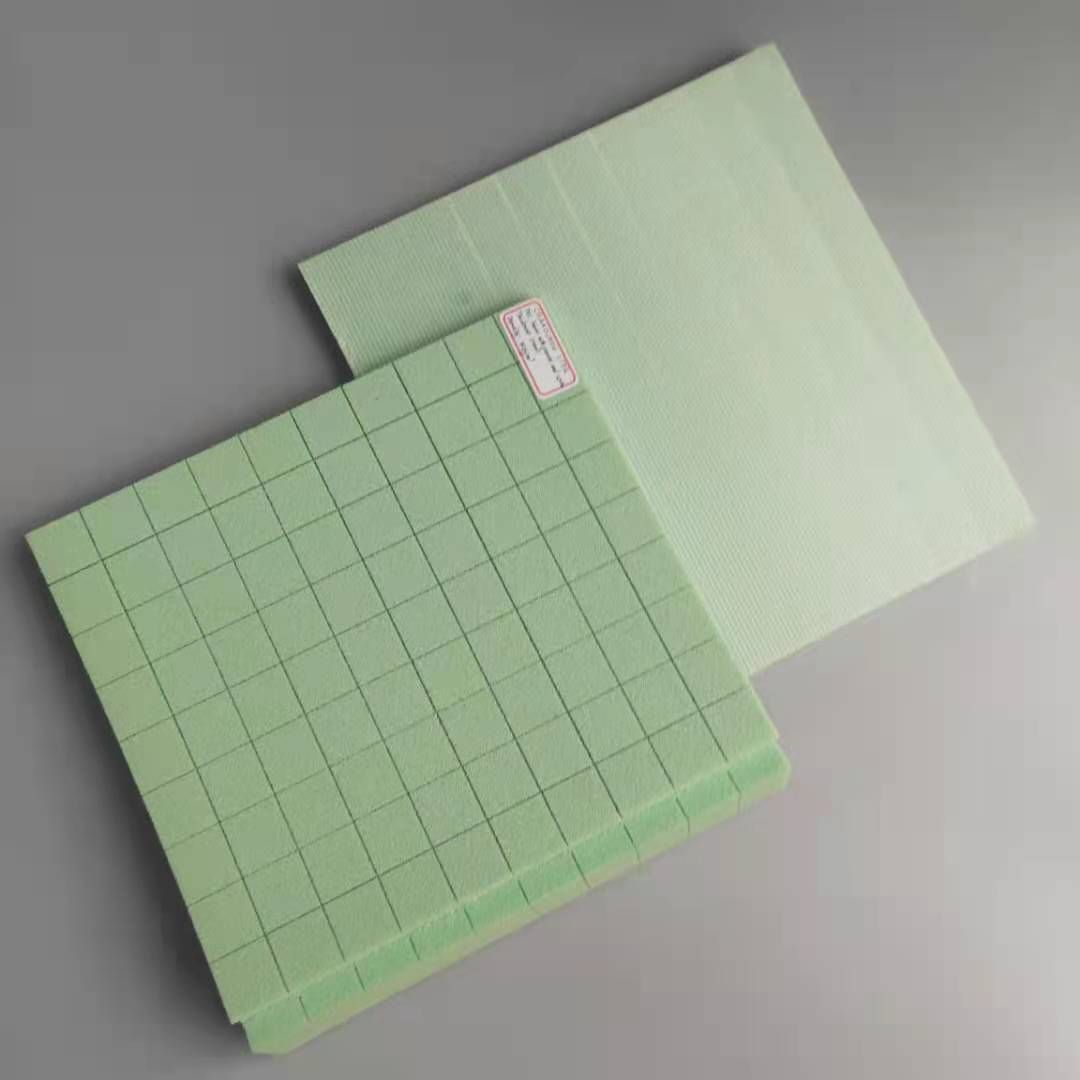
PVC foam core material has become an essential component in modern composite manufacturing, providing lightweight, high-strength solutions across multiple industries. Its unique combination of durability, stiffness, and chemical resistance makes it ideal for marine, construction, and automotive applications. In this article, we explore the top applications of PVC foam core material, highlighting its benefits, engineering considerations, and industry-specific use cases.
1. Introduction to PVC Foam Core Material
PVC foam core material is a closed-cell or semi-closed-cell polymer foam produced from polyvinyl chloride (PVC) through chemical or physical foaming processes. It is widely used as a core material in sandwich structures, where it is laminated between layers of fiber-reinforced composites, such as fiberglass or carbon fiber.
The primary advantages of PVC foam core include:
- High strength-to-weight ratio
- Excellent dimensional stability
- Resistance to water, chemicals, and environmental factors
- Compatibility with various resin systems, including epoxy, vinyl ester, and polyester
These properties make PVC foam core a versatile material for industries where lightweight and durable structural components are required.
2. Marine Industry Applications
The marine industry is one of the earliest and largest users of PVC foam core materials. Vessels require materials that can withstand harsh marine environments, including saltwater, humidity, and UV exposure.
2.1 Hull Construction
PVC foam cores are widely used in hull laminates for yachts, sailboats, speedboats, and commercial vessels. Laminated between fiberglass layers, the foam core provides:
- Increased stiffness and impact resistance
- Reduced overall weight
- Improved buoyancy and fuel efficiency
2.2 Decks and Superstructures
Deck panels and cabin structures benefit from PVC foam core due to its closed-cell structure, which prevents water absorption and maintains dimensional stability. This reduces maintenance costs and extends service life.
2.3 Bulkheads and Interior Panels
PVC foam core material is ideal for non-load-bearing internal structures like bulkheads, partitions, and cabin furniture. Its lightweight nature reduces the vessel’s overall displacement while maintaining structural integrity.
2.4 Case Study: Recreational Yachts
In modern recreational yachts, manufacturers often replace traditional balsa cores with PVC foam. This transition improves water resistance, prevents rot, and ensures consistent mechanical properties, even under varying moisture conditions.
3. Construction Industry Applications
The construction sector increasingly uses PVC foam core materials for lightweight, high-performance panels in both residential and commercial projects.
3.1 Architectural Cladding Panels
PVC foam core panels laminated with decorative facings, such as aluminum or high-pressure laminate (HPL), are used for external building facades. They provide:
- Thermal insulation
- Fire resistance
- Structural rigidity
- Weatherproof performance
These panels are often referred to as sandwich panels and offer easier installation due to their light weight.
3.2 Partition Walls and Ceilings
PVC foam core is widely used in partition walls and ceiling systems in commercial buildings. Its fire-retardant properties, combined with acoustic insulation, improve occupant safety and comfort.
3.3 Insulated Doors and Panels
PVC foam cores are increasingly applied in insulated doors, exterior panels, and roofing systems. The foam reduces weight while providing excellent compressive strength and thermal insulation.
3.4 Case Study: Curtain Wall Systems
Modern high-rise buildings often integrate PVC foam core panels within aluminum curtain walls. The foam ensures dimensional stability, prevents moisture ingress, and supports high-strength facings, creating durable and lightweight wall systems.
4. Automotive and Transportation Industry Applications
Lightweighting is a critical objective in automotive and rail vehicle design. PVC foam core materials provide excellent solutions for interior and exterior components.
4.1 Interior Panels
Vehicle interiors, such as floor panels, door inserts, dashboards, and seat structures, benefit from PVC foam core due to its:
- Low weight
- High impact resistance
- Dimensional stability
- Ease of bonding with fiber-reinforced composites
4.2 Roof and Floor Structures
PVC foam cores are used in roofs and floors of buses, RVs, and rail coaches, offering stiffness while minimizing the vehicle’s overall mass. This contributes to better fuel efficiency and reduced emissions.
4.3 Lightweight Body Components
Some automotive OEMs use PVC foam core in composite body panels. When laminated with carbon or glass fiber, these panels offer:
- Superior strength-to-weight ratio
- High energy absorption during impact
- Corrosion resistance
4.4 Case Study: High-Speed Rail
In high-speed trains, PVC foam core laminated sandwich panels are applied in flooring, partitions, and ceiling panels. The material provides a strong yet lightweight structure, enhancing performance and passenger safety.
5. Additional Applications Across Industries
While marine, construction, and automotive sectors are primary users, PVC foam core materials are also applied in:
- Wind turbine blades: Foam cores provide internal shear strength while minimizing weight.
- Recreational equipment: Kayaks, surfboards, and drones often utilize PVC foam cores for stiffness and lightness.
- Industrial equipment: Protective housings, radomes, and enclosures use PVC foam cores to reduce weight and resist environmental exposure.
6. Key Advantages Driving Industry Adoption
PVC foam core materials offer several advantages that make them appealing across industries:
- Lightweight and High Strength – Reduces overall product weight while maintaining structural integrity.
- Water and Chemical Resistance – Closed-cell structure prevents water ingress and resists chemical exposure.
- Thermal and Fire Performance – Suitable for applications requiring moderate thermal stability and flame retardancy.
- Ease of Processing – Compatible with CNC machining, laminating, cutting, and thermoforming.
- Design Flexibility – Can be customized in density, thickness, and size to suit specific engineering requirements.
7. Market Trends and Future Outlook
The demand for PVC foam core material continues to grow due to:
- Increasing focus on lightweight composites for energy efficiency
- Expansion of marine leisure craft and luxury yachts
- Growth in renewable energy applications such as wind turbines
- Urban construction trends favoring lightweight, durable sandwich panels
- Automotive regulations promoting vehicle weight reduction
Future developments are likely to include:
- Higher-density, tougher PVC formulations for enhanced impact resistance
- Eco-friendly production processes with lower VOC emissions
- Larger, more uniform foam boards for industrial-scale applications
- Industry-specific customization for automotive, aerospace, and construction
