
Choosing the right core material is critical in composite manufacturing. Core materials significantly impact the structural performance, weight, durability, and cost of sandwich panels used in marine, construction, automotive, aerospace, and industrial applications. Among modern options, PVC foam core material has emerged as a leading choice due to its combination of lightweight properties, mechanical strength, and environmental resistance. However, traditional core materials such as PET foam, SAN foam, and balsa wood are still widely used. This guide provides a comprehensive comparison between PVC foam cores and traditional materials to help engineers, designers, and buyers make informed decisions.
1. Overview of PVC Foam Core Material
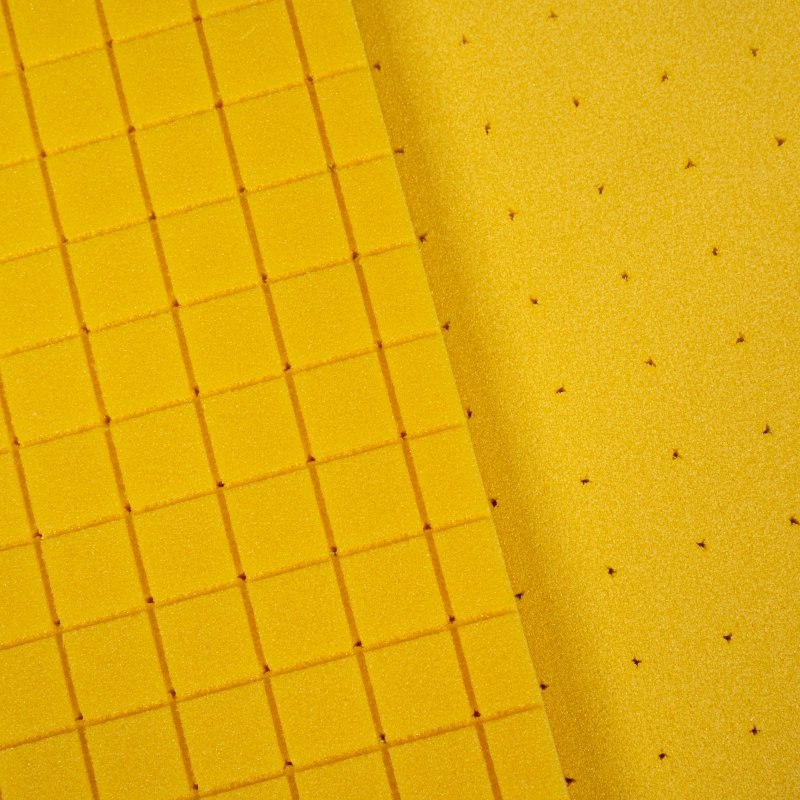
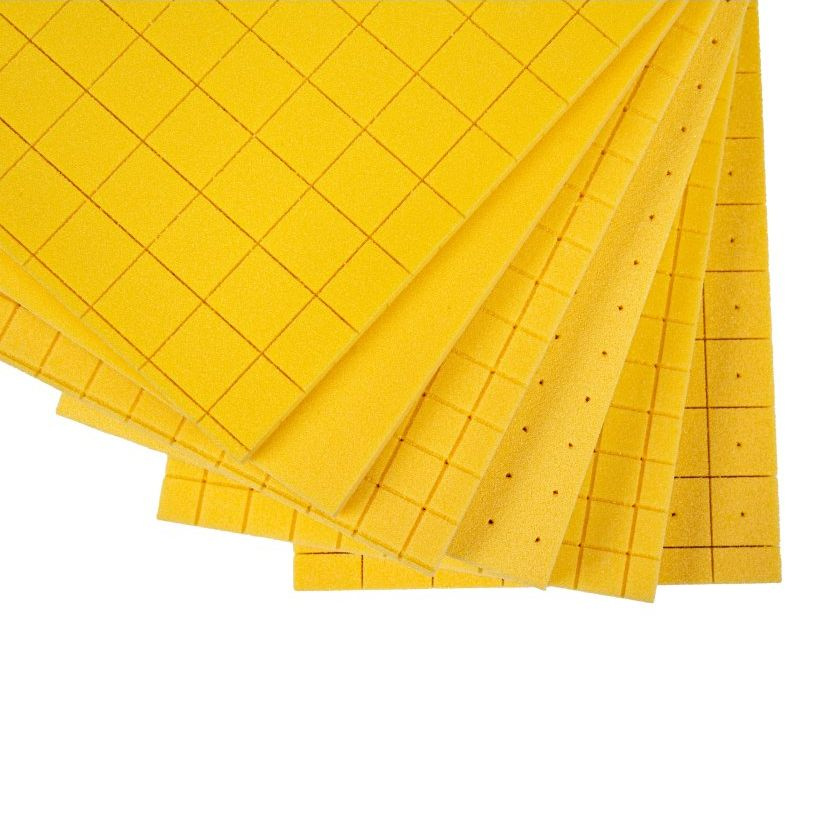
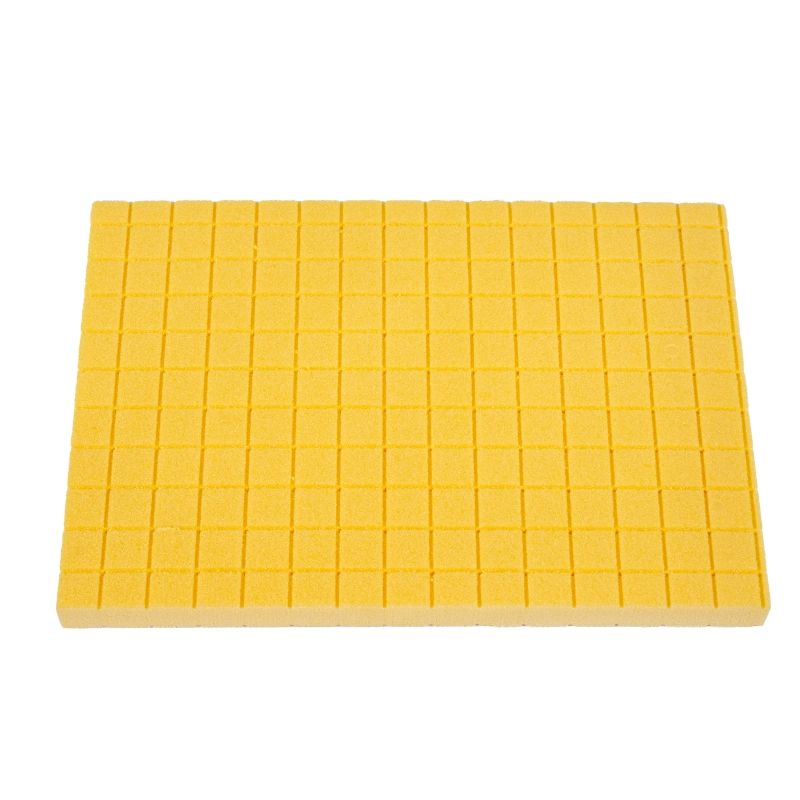
PVC foam core material is a lightweight polymer foam made from polyvinyl chloride, available in closed-cell or semi-closed-cell forms. It is commonly used as the core layer in sandwich structures, laminated with composite skins like fiberglass, carbon fiber, or aluminum.
Key features of PVC foam core include:
- High strength-to-weight ratio
- Excellent compressive and shear performance
- Resistance to water absorption and chemical corrosion
- Compatibility with epoxy, polyester, and vinyl ester resin systems
PVC foam cores are widely used in applications where durability, light weight, and environmental resistance are critical.
2. Overview of Traditional Core Materials
2.1 PET Foam
Polyethylene terephthalate (PET) foam is a thermoplastic foam core widely used in industrial panels. PET is known for its recyclability and high compressive strength, but it has higher cost and lower impact toughness compared to PVC.
2.2 SAN Foam
Styrene-acrylonitrile (SAN) foam offers excellent shear strength and stiffness. It is often used in aerospace and industrial applications. However, SAN is relatively brittle, making it less suitable for applications requiring impact resistance.
2.3 Balsa Wood
Balsa wood is a natural core material historically used in marine and aviation sandwich structures. It has exceptional strength-to-weight ratio but suffers from:
- High water absorption
- Variability in density
- Susceptibility to rot and decay if not properly sealed
Despite these challenges, balsa is still valued for ultra-lightweight applications with precise load requirements.
3. Mechanical Properties Comparison
A detailed comparison of PVC foam cores with PET, SAN, and balsa reveals several distinctions:
| Property | PVC Foam Core | PET Foam | SAN Foam | Balsa Wood |
|---|---|---|---|---|
| Density (kg/m³) | 50–250 | 60–300 | 80–250 | 90–200 |
| Compressive Strength (MPa) | Moderate–High | High | High | Very High |
| Shear Strength (MPa) | High | Moderate–High | Very High | Moderate |
| Impact Resistance | High | Moderate | Low | Moderate |
| Water Absorption | Very Low | Low | Low | High |
| Thermal Stability | Moderate | High | Moderate | Low |
| Cost Efficiency | High | Moderate | Moderate–High | Low |
| Processability | Excellent | Good | Moderate | Moderate |
Analysis:
- PVC foam provides an excellent balance between strength, weight, and cost.
- PET is more environmentally friendly but slightly more expensive and less impact-tough.
- SAN excels in shear-dominated applications but is brittle.
- Balsa offers ultra-lightweight solutions but requires careful water-proofing and quality control.
4. Environmental Resistance and Durability
4.1 Water and Moisture Resistance
PVC foam has a closed-cell structure that prevents water ingress, making it ideal for marine, outdoor, and humid environments.
- PET foam also offers good moisture resistance, though slightly less than PVC.
- SAN foam is fairly resistant to water, but brittleness under cyclic loading can limit its durability.
- Balsa wood is highly hygroscopic and prone to swelling, rot, or fungal attack if improperly sealed.
4.2 Chemical Resistance
- PVC foam resists acids, alkalis, and salts, supporting its use in chemical plants, marine environments, and industrial machinery.
- PET foam is chemically resistant but less impact-tough.
- SAN foam has moderate chemical resistance.
- Balsa wood has poor chemical resistance without protective coatings.
4.3 Thermal Performance
PVC foam cores offer moderate thermal stability suitable for most industrial applications, while PET foam can withstand higher temperatures. SAN foam and balsa wood generally perform less favorably under prolonged heat exposure.
5. Processability and Manufacturing Considerations
5.1 Machining and Laminating
PVC foam is easy to cut, mill, drill, thermoform, and bond with composite skins. It is compatible with a wide variety of resin systems, making it ideal for hand lay-up, vacuum infusion, resin transfer molding (RTM), and prepreg processes.
PET foam is generally machinable but may require specialized adhesives for bonding.
SAN foam requires careful handling due to brittleness.
Balsa can be sanded and shaped but requires moisture protection during processing.
5.2 Size and Thickness Availability
PVC foam boards are available in a wide range of densities, thicknesses, and sheet sizes, enabling custom design flexibility. Balsa and SAN are often more limited in availability and may require lamination to achieve desired thicknesses.
6. Application Scenarios
6.1 Marine Industry
- PVC Foam Core: Hulls, decks, bulkheads, superstructures
- PET Foam: Secondary panels, interior furniture
- SAN Foam: Limited use in rigid interior components
- Balsa: High-performance racing yachts, lightweight structural decks
PVC foam is preferred in marine applications due to its durability, water resistance, and maintenance-free properties.
6.2 Construction Industry
- PVC foam is ideal for architectural panels, partition walls, insulated doors, and roofing.
- PET foam is used in panels requiring higher thermal stability.
- SAN foam has niche applications in flooring or acoustic panels.
- Balsa is rarely used due to moisture sensitivity.
6.3 Automotive and Transportation
- PVC foam is used in interior panels, floors, ceilings, and lightweight body panels.
- PET foam is applied where higher thermal performance is needed.
- SAN foam finds limited application in aerospace-grade interiors.
- Balsa wood is mainly restricted to specialty applications or high-performance vehicles.
7. Cost and Lifecycle Considerations
PVC foam core is often the most cost-effective solution when considering:
- Material cost
- Ease of processing
- Maintenance requirements
- Long-term durability
PET foam is moderately priced but offers environmental benefits due to recyclability.
SAN foam is more expensive and brittle, requiring careful handling.
Balsa wood has lower raw cost but high processing and maintenance overheads, especially in wet environments.
8. Summary of Advantages and Limitations
PVC Foam Core
- Advantages: Lightweight, strong, water-resistant, easy to process, cost-effective
- Limitations: Moderate thermal resistance compared to PET
PET Foam
- Advantages: Recyclable, good compressive strength, chemical resistance
- Limitations: Less impact-tough, slightly higher cost
SAN Foam
- Advantages: Excellent shear strength, high stiffness
- Limitations: Brittle, less impact-tough, limited chemical resistance
Balsa Wood
- Advantages: Ultra-lightweight, very high compressive strength
- Limitations: Water-sensitive, inconsistent density, requires sealing
9. Conclusion
Selecting the right core material requires balancing performance, durability, weight, cost, and environmental considerations. PVC foam core material offers a versatile and high-performance solution across marine, construction, and automotive industries. Its combination of closed-cell structure, ease of processing, resistance to moisture and chemicals, and excellent cost-performance ratio makes it the most widely adopted choice among modern core materials.
While traditional materials such as PET foam, SAN foam, and balsa wood remain relevant for niche applications or specific engineering requirements, PVC foam core consistently provides reliable, lightweight, and durable performance for a broad range of structural applications.
