
Introduction
As the construction industry increasingly focuses on energy efficiency, sustainability, and lightweight building systems, insulation materials have become a critical component of modern building design. Among the most widely used insulation cores are XPS Foam Core (Extruded Polystyrene Foam), EPS Foam Core (Expanded Polystyrene Foam), and PU Foam Core (Polyurethane Foam).
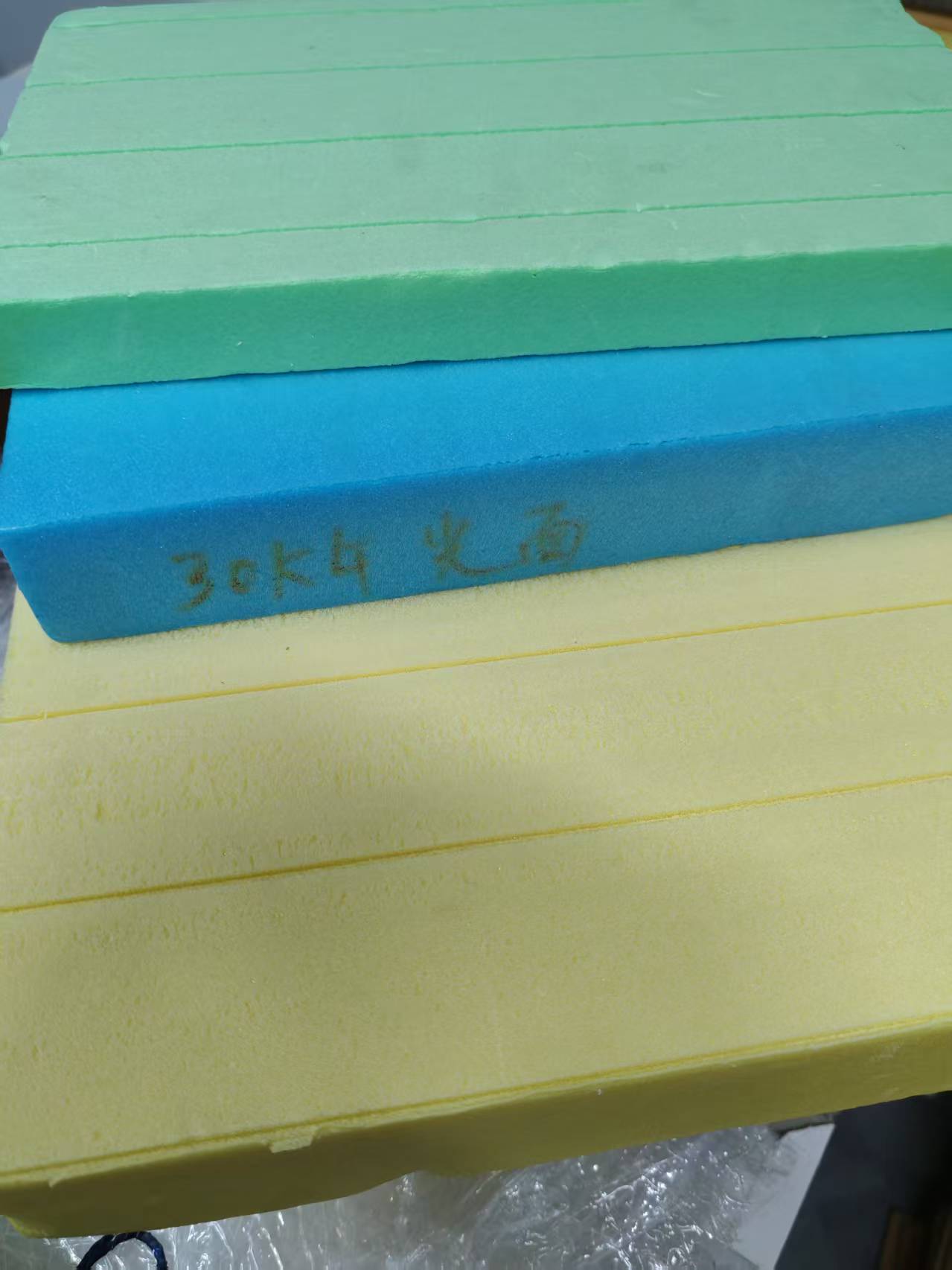
Each material offers distinct advantages and limitations depending on the application. Whether used in insulated sandwich panels, prefabricated buildings, cold storage facilities, roofing systems, or composite construction materials, selecting the right foam core can significantly impact a project’s thermal performance, durability, and overall lifecycle cost.
This article compares XPS Foam Core, EPS Foam Core, and PU Foam Core across key performance criteria to help architects, contractors, panel manufacturers, and building material distributors make informed decisions.
Overview of the Three Foam Core Materials
XPS Foam Core
XPS Foam Core is manufactured through a continuous extrusion process, creating a highly uniform closed-cell structure. It is widely recognized for its excellent moisture resistance, compressive strength, and long-term thermal stability.
EPS Foam Core
EPS Foam Core is produced by expanding polystyrene beads and molding them into blocks or sheets. It is one of the most economical insulation materials and is commonly used in residential and commercial construction.
PU Foam Core
PU Foam Core is produced through a chemical reaction between polyol and isocyanate. It offers exceptional thermal insulation performance and is widely used in cold storage panels and high-performance building envelopes.
Technical Performance Comparison
Typical Physical Properties
| Property | XPS Foam Core | EPS Foam Core | PU Foam Core |
|---|---|---|---|
| Density (kg/m³) | 30–45 | 10–30 | 35–60 |
| Thermal Conductivity (W/m·K) | 0.028–0.034 | 0.033–0.040 | 0.020–0.025 |
| Water Absorption (%) | ≤1.0 | 2–6 | ≤2.0 |
| Compressive Strength (kPa) | 250–700 | 70–250 | 150–350 |
| Service Life | 30–50 Years | 20–40 Years | 25–40 Years |
| Fire Performance | B1/B2 | B1/B2 | B1 Available |
| Cost Level | Medium | Low | High |
From the table, PU Foam offers the lowest thermal conductivity, while XPS provides superior moisture resistance and compressive strength. EPS remains the most economical option for budget-sensitive projects.
Thermal Insulation Performance
Thermal conductivity is one of the most important factors when evaluating insulation materials.
PU Foam Core
PU Foam has the lowest thermal conductivity among the three materials, making it highly effective in applications requiring maximum insulation performance.
Common applications include:
- Cold storage panels
- Refrigerated warehouses
- Pharmaceutical facilities
- Temperature-controlled logistics centers
XPS Foam Core
XPS provides excellent thermal insulation while maintaining stable performance over long periods. Its closed-cell structure helps prevent moisture penetration that could reduce insulation effectiveness.
Common applications include:
- Exterior wall insulation
- Roof insulation systems
- Sandwich panels
- Prefabricated buildings
EPS Foam Core
EPS offers acceptable insulation performance but generally requires greater thickness to achieve the same thermal resistance as XPS or PU.
Common applications include:
- Residential wall insulation
- EIFS systems
- Cost-sensitive construction projects
Water Resistance and Moisture Performance
Moisture resistance plays a crucial role in maintaining insulation performance over time.
XPS Foam Core: The Leader in Moisture Resistance
The highly closed-cell structure of XPS significantly reduces water absorption.
Advantages include:
- Stable thermal performance
- Reduced risk of mold growth
- Excellent freeze-thaw durability
- Longer service life in humid environments
For below-grade insulation and roofing applications, XPS is often the preferred solution.
PU Foam Core
PU also performs well in moisture resistance but may experience performance degradation if exposed to prolonged water infiltration.
EPS Foam Core
EPS contains interconnected spaces between expanded beads, making it more susceptible to water absorption compared to XPS and PU.
Mechanical Strength and Load Capacity
Structural performance becomes particularly important in roofing systems, industrial flooring, and sandwich panel applications.
XPS Foam Core
XPS typically offers the highest compressive strength among commonly used building insulation materials.
Applications requiring high load resistance include:
- Industrial roofs
- Cold storage floors
- Structural insulated panels
- Modular construction
PU Foam Core
PU provides moderate mechanical strength suitable for most insulated panel applications.
EPS Foam Core
EPS generally offers lower compressive strength and may not be suitable for heavy-load applications unless higher-density grades are specified.
Cost Comparison
Budget considerations often influence material selection.
EPS Foam Core
Advantages:
- Lowest material cost
- Widely available
- Easy processing
Best suited for:
- Residential projects
- Budget construction
- Non-structural insulation
XPS Foam Core
Advantages:
- Excellent balance of performance and cost
- Long service life
- Reduced maintenance requirements
Best suited for:
- Commercial buildings
- Prefabricated construction
- High-performance insulation systems
PU Foam Core
Advantages:
- Maximum insulation performance
Limitations:
- Highest material cost
- More complex manufacturing process
Best suited for:
- Specialized cold storage applications
- High-efficiency building projects
Applications in Modern Construction
Prefabricated Buildings
Recommended Material: XPS Foam Core
Reasons:
- Lightweight
- High strength
- Excellent moisture resistance
- Long-term thermal stability
Cold Storage Facilities
Recommended Material: PU Foam Core
Reasons:
- Superior insulation performance
- Reduced refrigeration costs
Residential Construction
Recommended Material: EPS Foam Core
Reasons:
- Cost-effective
- Easy installation
- Sufficient insulation performance
Commercial and Industrial Buildings
Recommended Material: XPS Foam Core
Reasons:
- Excellent durability
- Superior moisture resistance
- Balanced thermal performance
Sustainability Considerations
Modern building projects increasingly prioritize environmental performance.
XPS Foam Core
- Long service life
- Reduced energy consumption
- Recyclable production waste
- Supports green building standards
EPS Foam Core
- Recyclable
- Lower production costs
- Widely accepted in sustainable construction
PU Foam Core
- Highest energy-saving potential
- Higher manufacturing complexity
- Improved efficiency through advanced formulations
Conclusion
XPS Foam Core, EPS Foam Core, and PU Foam Core each serve important roles in modern construction applications.
- EPS Foam Core offers the most economical solution for standard insulation projects.
- PU Foam Core delivers the highest thermal insulation performance for specialized applications such as cold storage facilities.
- XPS Foam Core provides the best overall balance of thermal efficiency, moisture resistance, compressive strength, durability, and lifecycle value.
For prefabricated buildings, insulated sandwich panels, commercial construction, and long-term energy-efficient building systems, XPS Foam Core has become the preferred choice for many architects, contractors, and building material manufacturers worldwide. Its combination of performance, reliability, and cost-effectiveness makes it one of the most versatile insulation materials available in today’s construction industry.
