
A Comprehensive Procurement Guide for Composite Panel and Sandwich Structure Applications
As lightweight composite structures continue to replace traditional materials in construction, transportation, marine, wind energy, aerospace, and industrial manufacturing, selecting the right foam core material has become a critical procurement decision.
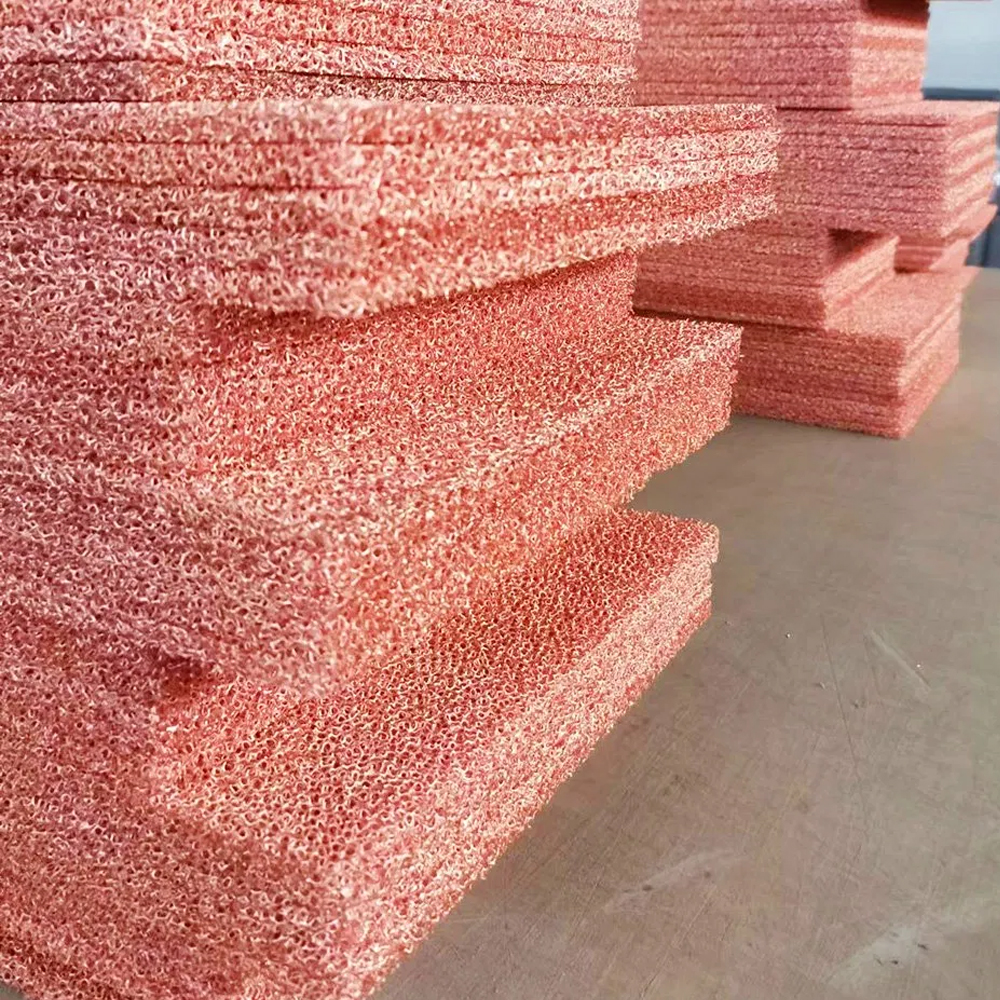
Among the most commonly used core materials, XPS Foam, PET Foam, PVC Foam, and PMI Foam each offer unique advantages in terms of strength, weight, thermal performance, durability, and cost. However, no single material is suitable for every application.
For procurement managers, engineers, and composite manufacturers, understanding the differences between these foam cores can help optimize product performance while controlling overall project costs.
This article provides a detailed comparison of XPS, PET, PVC, and PMI foam core materials from a sourcing and application perspective.
Why Foam Core Material Selection Matters
In an FRP sandwich panel or composite structure, the core material contributes significantly to:
- Flexural stiffness
- Compressive strength
- Shear strength
- Weight reduction
- Thermal insulation
- Sound insulation
- Impact resistance
The right foam core can reduce panel weight by 30–70% while maintaining structural integrity.
A poor core material selection may result in:
- Excessive material costs
- Premature structural failure
- Reduced service life
- Higher maintenance expenses
- Lower energy efficiency
Overview of the Four Foam Core Materials
XPS Foam Core
XPS (Extruded Polystyrene) Foam is a rigid closed-cell foam manufactured through an extrusion process.
Key Characteristics
- Excellent thermal insulation
- Lightweight
- Low water absorption
- Cost-effective
- Easy processing
Primary Applications
- Building insulation panels
- Refrigerated truck bodies
- Cold room panels
- RV wall and roof panels
PET Foam Core
PET (Polyethylene Terephthalate) Foam is a thermoplastic structural foam often produced using recycled PET materials.
Key Characteristics
- Recyclable
- Good mechanical performance
- High thermal stability
- Environmentally friendly
- Low water absorption
Primary Applications
- Transportation panels
- Wind turbine blades
- Building facades
- Railway interiors
PVC Foam Core
PVC (Polyvinyl Chloride) Foam is one of the most widely used structural foam materials in advanced composites.
Key Characteristics
- Excellent shear strength
- Outstanding fatigue resistance
- Proven marine performance
- Wide density range
- Strong resin compatibility
Primary Applications
- Marine structures
- Wind energy
- Industrial composite panels
- Transportation composites
PMI Foam Core
PMI (Polymethacrylimide) Foam is a high-performance structural foam used in aerospace and premium composite applications.
Key Characteristics
- Exceptional strength-to-weight ratio
- High temperature resistance
- Superior fatigue performance
- Extremely lightweight
- Excellent dimensional stability
Primary Applications
- Aerospace components
- Defense structures
- Racing yachts
- High-performance sports equipment
Property Comparison
1. Structural Strength
Structural performance is often the first concern for engineers and buyers.
| Material | Structural Strength |
|---|---|
| XPS | ★★★ |
| PET | ★★★★ |
| PVC | ★★★★★ |
| PMI | ★★★★★ |
Analysis
XPS Foam
Suitable for light-duty panels but not designed for highly loaded structures.
PET Foam
Offers strong mechanical properties and is increasingly used in structural sandwich panels.
PVC Foam
Provides industry-leading compressive and shear strength, making it a preferred choice for marine and wind energy applications.
PMI Foam
Delivers aerospace-grade performance with exceptional stiffness and strength.
Winner
🏆 PMI Foam and PVC Foam
2. Weight Reduction
Weight reduction directly affects transportation costs and energy efficiency.
| Material | Density Range (kg/m³) |
|---|---|
| XPS | 25–50 |
| PET | 70–250 |
| PVC | 60–250 |
| PMI | 30–200 |
Analysis
XPS Foam
One of the lightest and most economical options.
PET Foam
Moderate weight with strong structural capability.
PVC Foam
Similar density range to PET but generally stronger at equivalent densities.
PMI Foam
Provides the best strength-to-weight ratio among all four materials.
Winner
🏆 PMI Foam
3. Thermal Insulation
Thermal performance is critical for cold-chain logistics and building systems.
| Material | Thermal Insulation |
|---|---|
| XPS | ★★★★★ |
| PET | ★★★★ |
| PVC | ★★★★ |
| PMI | ★★★★ |
Analysis
XPS Foam
Offers the lowest thermal conductivity and highest insulation value.
PET, PVC, and PMI
Provide insulation but are primarily selected for structural performance rather than thermal efficiency.
Winner
🏆 XPS Foam
4. Water Resistance
Moisture resistance is essential for outdoor and marine environments.
| Material | Water Resistance |
|---|---|
| XPS | ★★★★★ |
| PET | ★★★★★ |
| PVC | ★★★★★ |
| PMI | ★★★★★ |
Analysis
All four materials feature closed-cell structures and exhibit very low water absorption when properly manufactured.
Winner
🏆 Tie
5. Fatigue Resistance
Repeated loading can significantly affect long-term performance.
| Material | Fatigue Resistance |
|---|---|
| XPS | ★★★ |
| PET | ★★★★ |
| PVC | ★★★★★ |
| PMI | ★★★★★ |
Analysis
PVC Foam
Has decades of proven success in marine and wind energy structures.
PMI Foam
Offers exceptional resistance to cyclic loading in aerospace applications.
Winner
🏆 PVC Foam and PMI Foam
6. Temperature Resistance
Manufacturing processes such as prepreg curing often involve elevated temperatures.
| Material | Heat Resistance |
|---|---|
| XPS | ★★ |
| PET | ★★★★★ |
| PVC | ★★★★ |
| PMI | ★★★★★ |
Analysis
PET Foam
Maintains dimensional stability at higher temperatures.
PMI Foam
Designed for demanding aerospace manufacturing environments.
Winner
🏆 PET Foam and PMI Foam
7. Sustainability
Environmental regulations increasingly influence purchasing decisions.
| Material | Sustainability |
|---|---|
| XPS | ★★ |
| PET | ★★★★★ |
| PVC | ★★★ |
| PMI | ★★★ |
Analysis
PET foam often contains recycled content and is fully recyclable, making it a preferred solution for companies pursuing ESG objectives.
Winner
🏆 PET Foam
8. Cost Comparison
| Material | Relative Cost |
|---|---|
| XPS | $ |
| PET | $$ |
| PVC | $$$ |
| PMI | $$$$$ |
Analysis
XPS Foam
Lowest initial investment.
PET Foam
Good balance between performance and cost.
PVC Foam
Higher cost but proven structural reliability.
PMI Foam
Premium material with significantly higher pricing.
Winner
🏆 XPS Foam (Lowest Cost)
🏆 PET Foam (Best Value Balance)
Industry Application Recommendations
Cold Storage and Refrigerated Trucks
Best Choice
✅ XPS Foam
Reasons:
- Outstanding insulation
- Lightweight
- Cost-effective
Marine Structures
Best Choice
✅ PVC Foam
Alternative:
- PET Foam for sustainability-focused projects
Reasons:
- Excellent fatigue resistance
- Proven marine performance
Wind Turbine Blades
Best Choice
✅ PVC Foam
Alternative:
- PET Foam for recyclable blade designs
Reasons:
- High shear strength
- Long service life
Railway and Transportation Panels
Best Choice
✅ PET Foam
Reasons:
- Lightweight
- Recyclable
- Good structural performance
Aerospace Components
Best Choice
✅ PMI Foam
Reasons:
- Exceptional strength-to-weight ratio
- High temperature resistance
- Advanced structural capability
Building Facades and Architectural Panels
Best Choice
✅ PET Foam
Alternative:
- XPS Foam for insulation-focused designs
Reasons:
- Sustainability
- Structural stability
- Long service life
Procurement Decision Matrix
| Buyer Priority | Recommended Foam Core |
|---|---|
| Lowest Cost | XPS |
| Best Thermal Insulation | XPS |
| Best Structural Strength | PVC / PMI |
| Best Fatigue Resistance | PVC / PMI |
| Best Sustainability | PET |
| Best Recyclability | PET |
| Best Temperature Resistance | PET / PMI |
| Marine Applications | PVC |
| Wind Energy | PVC |
| Transportation Panels | PET |
| Aerospace Projects | PMI |
| Best Overall Value | PET |
Questions to Ask Foam Core Suppliers
Before finalizing a purchase, request:
Technical Data
- Density range
- Compressive strength
- Shear strength
- Water absorption
- Thermal conductivity
- Heat distortion temperature
Certifications
- ISO 9001
- REACH
- RoHS
- Fire test reports
- Marine approvals (DNV, BV, LR, CCS)
- Transportation certifications
Production Capabilities
- Available thicknesses
- CNC machining services
- Custom dimensions
- Annual production capacity
- Lead times
Final Verdict
Each foam core material serves a different market need:
- XPS Foam is the best choice for insulation-focused applications where cost efficiency and thermal performance are critical.
- PET Foam offers the most balanced combination of structural performance, sustainability, recyclability, and cost-effectiveness.
- PVC Foam remains the industry standard for demanding structural composite applications, particularly in marine and wind energy sectors.
- PMI Foam delivers unmatched high-end performance for aerospace and advanced engineering projects where budget constraints are secondary.
For procurement professionals, the optimal choice depends on balancing mechanical requirements, thermal performance, environmental objectives, manufacturing processes, and lifecycle costs. Evaluating these factors together will ensure the selected foam core material delivers maximum value and long-term reliability for the intended application.
