
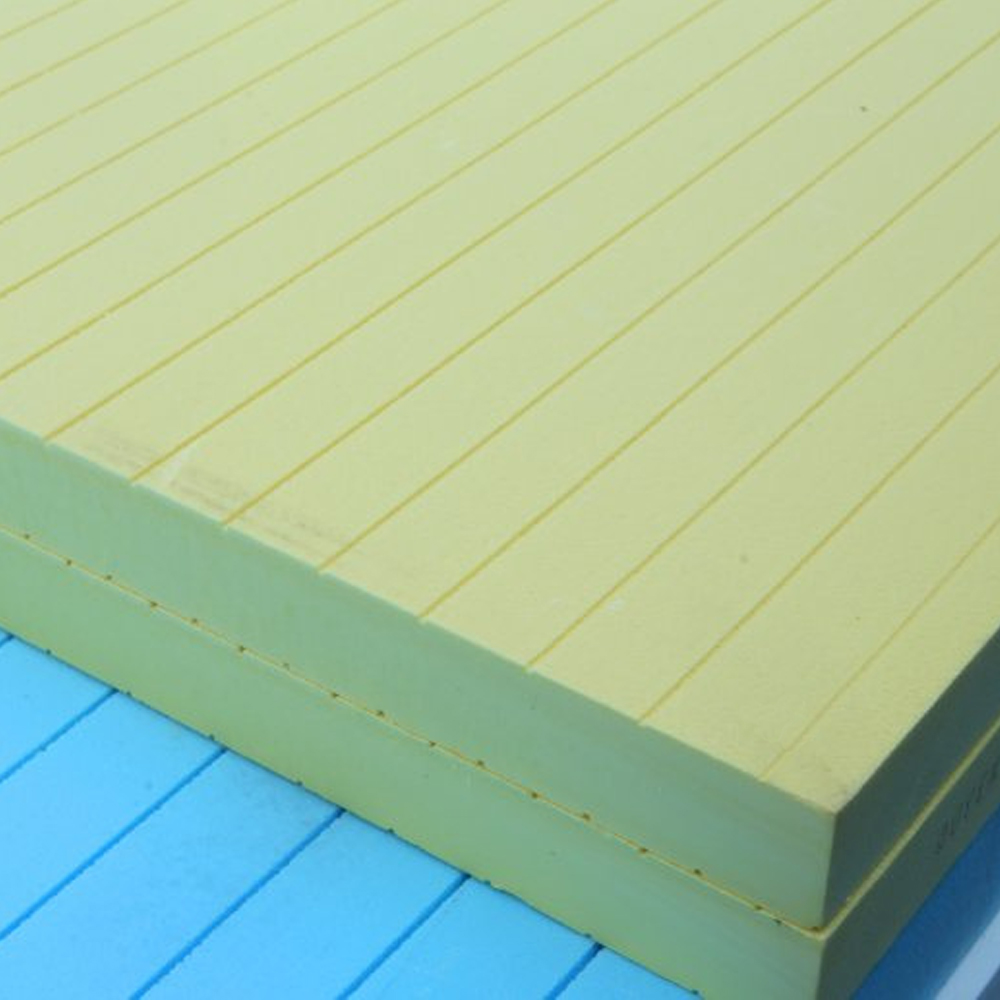
Selecting the right foam core material is one of the most important decisions in the design and procurement of FRP sandwich panels, composite structures, and lightweight engineering components. The core material directly influences a panel’s strength, stiffness, weight, thermal performance, durability, manufacturing efficiency, and overall lifecycle cost.
With multiple options available—including XPS, PET, PVC, PMI, and PU foam cores—procurement managers and engineers must evaluate more than just material price. A low-cost foam may increase maintenance costs or shorten product lifespan, while a premium foam may provide long-term savings through improved performance and durability.
This guide outlines the key factors buyers should consider when selecting a foam core material for composite panel applications.
Why Foam Core Selection Matters
A sandwich panel typically consists of:
- FRP skins (fiberglass, carbon fiber, or other composite laminates)
- Foam core material
- Adhesive or resin bonding system
The foam core contributes significantly to:
- Flexural stiffness
- Compressive strength
- Shear strength
- Thermal insulation
- Weight reduction
- Impact resistance
- Acoustic performance
Studies show that the core material can account for over 60% of a sandwich panel’s thickness while contributing only a small percentage of its total weight, making it a critical component in lightweight engineering.
1. Structural Performance Requirements
The first question procurement teams should ask is:
Will the panel be structural or non-structural?
Structural Applications
Examples include:
- Marine hulls
- Wind turbine blades
- Truck floors
- Industrial platforms
- Load-bearing walls
These applications require:
- High compressive strength
- High shear strength
- Excellent fatigue resistance
Recommended Materials
- PVC Foam Core
- PET Foam Core
- PMI Foam Core
Non-Structural Applications
Examples include:
- Insulated wall panels
- Refrigerated truck sidewalls
- Ceiling panels
- Interior partitions
These applications prioritize:
- Thermal insulation
- Weight reduction
- Cost efficiency
Recommended Materials
- XPS Foam Core
- PU Foam Core
2. Density Requirements
Foam density directly affects mechanical properties and weight.
Lower Density Foams
Advantages:
- Lighter weight
- Lower cost
- Better insulation
Disadvantages:
- Reduced strength
- Lower impact resistance
Typical examples:
- XPS: 25–50 kg/m³
- Low-density PVC: 60–80 kg/m³
Higher Density Foams
Advantages:
- Greater strength
- Improved load-bearing capacity
- Better screw retention
Disadvantages:
- Increased weight
- Higher material cost
Typical examples:
- PET: 100–250 kg/m³
- PVC: 100–250 kg/m³
- PMI: 50–200 kg/m³
Procurement Tip
Always match density to application requirements rather than selecting the highest density available.
3. Weight Reduction Goals
Lightweight construction is often a primary objective.
Benefits include:
- Reduced fuel consumption
- Lower transportation costs
- Easier installation
- Increased payload capacity
Industries prioritizing weight reduction:
- Marine
- Transportation
- RV manufacturing
- Aerospace
Best Options
| Material | Weight Reduction |
|---|---|
| XPS | Excellent |
| PET | Very Good |
| PVC | Very Good |
| PMI | Outstanding |
4. Thermal Insulation Performance
Thermal conductivity is critical in energy-efficient structures.
Applications requiring excellent insulation include:
- Cold storage facilities
- Refrigerated vehicles
- Modular buildings
- Roof systems
Typical Performance Ranking
| Material | Insulation Performance |
|---|---|
| XPS | ★★★★★ |
| PU | ★★★★★ |
| PET | ★★★★ |
| PVC | ★★★★ |
| PMI | ★★★★ |
Procurement Tip
For insulation-focused projects, selecting a structural foam may increase costs without providing meaningful benefits.
5. Water Absorption Resistance
Moisture exposure can lead to:
- Core degradation
- Delamination
- Reduced structural performance
- Increased maintenance costs
Applications requiring excellent water resistance:
- Marine structures
- Outdoor panels
- Transportation systems
Preferred Materials
- PVC Foam
- PET Foam
- XPS Foam
- PMI Foam
All four utilize closed-cell structures with very low water absorption.
6. Fatigue Resistance
Some structures experience repeated loading throughout their service life.
Examples include:
- Wind turbine blades
- Marine hulls
- Vehicle floors
- Railway panels
Material Comparison
| Material | Fatigue Performance |
|---|---|
| XPS | Moderate |
| PET | Good |
| PVC | Excellent |
| PMI | Excellent |
Procurement Tip
Fatigue resistance is often overlooked but can significantly affect lifecycle costs.
7. Temperature Resistance
Composite manufacturing processes may involve elevated temperatures.
Examples:
- Vacuum infusion
- Resin transfer molding
- Prepreg curing
Performance Comparison
| Material | Heat Resistance |
|---|---|
| XPS | Moderate |
| PVC | Good |
| PET | Excellent |
| PMI | Outstanding |
Recommended Materials
For high-temperature processing:
- PET Foam
- PMI Foam
8. Fire Safety Requirements
Many industries must comply with fire regulations.
Examples include:
- Railway interiors
- Marine vessels
- Building facades
- Public transportation systems
Buyers should verify:
- Flame retardancy
- Smoke generation
- Fire certification reports
Important Certifications
- EN 13501
- ASTM E84
- IMO standards
- SOLAS requirements
9. Sustainability and Environmental Compliance
Sustainability has become a major purchasing consideration.
Many organizations now evaluate:
- Recyclability
- Carbon footprint
- Recycled content
- ESG compliance
Sustainability Ranking
| Material | Sustainability |
|---|---|
| PET | ★★★★★ |
| PVC | ★★★ |
| PMI | ★★★ |
| XPS | ★★ |
PET foam is often produced using recycled PET feedstock and offers the strongest sustainability profile.
10. Manufacturing Compatibility
Not all foam cores perform equally during processing.
Consider:
- CNC machining capability
- Thermoforming performance
- Resin compatibility
- Bonding performance
- Infusion suitability
Excellent Processing Characteristics
- PVC Foam
- PET Foam
Specialized Processing
- PMI Foam
Cost-Focused Processing
- XPS Foam
11. Total Cost of Ownership
Procurement decisions should not focus solely on purchase price.
Consider:
Initial Costs
- Material price
- Freight expenses
- Processing costs
Long-Term Costs
- Maintenance
- Repairs
- Replacement frequency
- Operational efficiency
Typical Cost Ranking
| Material | Relative Cost |
|---|---|
| XPS | $ |
| PU | $$ |
| PET | $$ |
| PVC | $$$ |
| PMI | $$$$$ |
A higher-cost foam may reduce lifecycle expenses through improved durability and lower maintenance requirements.
Supplier Evaluation Checklist
Before selecting a foam core supplier, request the following:
Technical Documentation
- Density specifications
- Compressive strength data
- Shear strength reports
- Thermal conductivity values
- Water absorption testing
Quality Certifications
- ISO 9001
- REACH
- RoHS
- Fire testing reports
- Marine certifications (DNV, BV, LR, CCS)
Manufacturing Capabilities
Verify:
- Production capacity
- Thickness range
- Density options
- CNC machining services
- Custom cutting capabilities
Quality Control Procedures
Ask suppliers about:
- Density consistency testing
- Batch traceability
- Mechanical property verification
- Incoming raw material inspections
Foam Core Selection Matrix
| Priority | Recommended Material |
|---|---|
| Lowest Cost | XPS |
| Best Thermal Insulation | XPS / PU |
| Best Structural Strength | PVC / PMI |
| Best Fatigue Resistance | PVC / PMI |
| Best Sustainability | PET |
| Best Recyclability | PET |
| Marine Applications | PVC |
| Wind Energy | PVC |
| Refrigerated Panels | XPS |
| Transportation Panels | PET |
| Aerospace Applications | PMI |
| Best Overall Balance | PET |
Conclusion
Choosing the right foam core material requires a careful assessment of performance requirements, environmental conditions, manufacturing processes, and budget constraints.
- XPS Foam Core is ideal for insulation-focused applications where cost and thermal performance are priorities.
- PET Foam Core offers an excellent balance of structural performance, sustainability, and value.
- PVC Foam Core remains the preferred choice for demanding structural composite applications, particularly in marine and wind energy industries.
- PMI Foam Core delivers premium mechanical performance for aerospace and advanced engineering projects.
- PU Foam Core excels in energy-efficient insulated panel systems.
For procurement professionals, the most effective strategy is to evaluate the total lifecycle value rather than the initial purchase price alone. A foam core material that aligns with the project’s mechanical, thermal, environmental, and economic requirements will provide the best long-term return on investment and ensure reliable performance throughout the product’s service life.
