
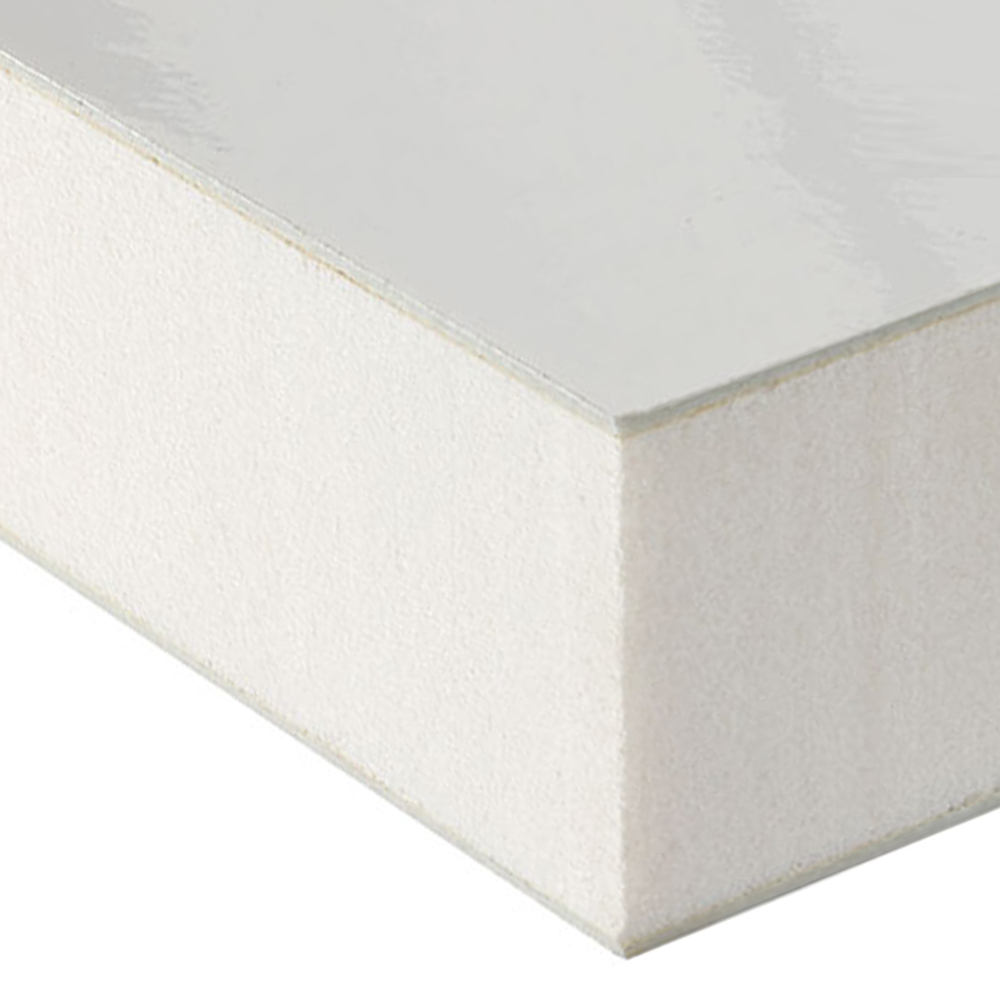
Introduction: How Should Buyers Choose the Right Foam Core Material?
In composite manufacturing, selecting the right core material is one of the most important decisions affecting product performance, production efficiency, and total project cost. For global composite manufacturers, shipyards, transportation companies, wind energy suppliers, and industrial panel producers, the choice between PVC Foam Core, PET Foam Core, and PU Foam Core directly impacts strength, durability, weight reduction, and long-term reliability.
Many buyers focus only on material price during procurement. However, experienced purchasing managers understand that the lowest material cost does not always create the lowest total cost. Factors such as processing compatibility, mechanical performance, service life, failure risk, and supplier capability must also be considered.
This guide provides a professional comparison of PVC Foam Core, PET Foam Core, and PU Foam Core from a procurement perspective, helping buyers select the most suitable composite core material for their applications.
1. Overview of PVC Foam Core, PET Foam Core and PU Foam Core
PVC Foam Core
PVC Foam Core is one of the most widely used structural foam core materials in advanced composite applications. It is manufactured using polyvinyl chloride polymer technology and features a closed-cell structure.
The material is known for:
- High mechanical strength
- Excellent shear performance
- Low water absorption
- Good chemical resistance
- Compatibility with various resin systems
PVC Foam Core is commonly used in:
- Marine structures
- Yacht and boat manufacturing
- Wind turbine blades
- Transportation panels
- Industrial composite structures
For applications requiring high structural reliability, PVC Foam Core remains a preferred choice.
PET Foam Core
PET Foam Core is a lightweight structural foam material produced from polyethylene terephthalate polymer. With increasing demand for sustainable composite materials, PET Foam Core has gained popularity due to its recyclability and environmental advantages.
Main advantages include:
- Excellent sustainability performance
- Good mechanical strength-to-weight ratio
- High temperature resistance
- Compatibility with epoxy, polyester, and vinyl ester resin systems
- Stable supply chain
PET Foam Core is widely applied in:
- Wind energy components
- Automotive composite parts
- Railway interiors
- Building sandwich panels
- Lightweight transportation structures
For companies focusing on green manufacturing and recyclable materials, PET Foam Core is becoming an increasingly attractive option.
PU Foam Core
PU Foam Core (Polyurethane Foam Core) is a lightweight foam material mainly recognized for its excellent insulation properties.
Key characteristics:
- Very low thermal conductivity
- Lightweight structure
- Good insulation performance
- Cost-effective solution
Typical applications include:
- Refrigerated transportation panels
- Building insulation panels
- Cold storage systems
- Lightweight sandwich panels
However, compared with PVC and PET Foam Core, PU Foam Core generally has lower structural performance in demanding load-bearing composite applications.
2. Mechanical Performance Comparison
For procurement engineers, mechanical performance is usually the first evaluation factor.
| Property | PVC Foam Core | PET Foam Core | PU Foam Core |
|---|---|---|---|
| Density Range | 45-250 kg/m³ | 60-250 kg/m³ | 30-100 kg/m³ |
| Compression Strength | Excellent | Good-Excellent | Medium |
| Shear Strength | Excellent | Good | Medium |
| Impact Resistance | Excellent | Good | Limited |
| Weight Reduction | Excellent | Excellent | Excellent |
| Structural Application | Excellent | Excellent | Limited |
PVC Foam Core Advantage
PVC Foam Core provides excellent balance between strength and weight. It maintains high mechanical properties under dynamic loads, making it suitable for marine and wind energy applications.
For example, boat hull structures experience continuous vibration, impact, and water pressure. PVC Foam Core can provide the structural reinforcement required for long-term operation.
PET Foam Core Advantage
PET Foam Core offers competitive mechanical performance with additional sustainability benefits.
For companies manufacturing large composite structures, PET Foam Core provides:
- Lower environmental impact
- Stable material availability
- Good recycling potential
It is increasingly selected for wind turbine blades and transportation projects where lightweight design and sustainability are critical.
PU Foam Core Limitation
PU Foam Core performs well in insulation applications but is generally not the first choice for high-strength structural composites.
When purchasing PU Foam Core, buyers should clearly define whether the requirement is:
- Thermal insulation
or - Structural reinforcement
Choosing the wrong material can lead to performance problems during service.
3. Weight and Strength-to-Weight Ratio Analysis
Modern industries are moving toward lightweight structures. Reducing weight helps:
- Lower transportation costs
- Improve energy efficiency
- Increase payload capacity
- Reduce carbon emissions
Both PVC Foam Core and PET Foam Core provide excellent strength-to-weight ratios.
PVC Foam Core
Best suited for:
- High-performance composite structures
- Marine applications
- Wind turbine blades
- Aerospace-related projects
Its higher mechanical strength allows engineers to reduce overall structure weight without sacrificing durability.
PET Foam Core
Best suited for:
- Large-scale production
- Sustainable composite manufacturing
- Transportation industries
PET Foam Core provides a good balance between performance and environmental requirements.
PU Foam Core
Best suited for:
- Insulation-focused products
For example:
- Cold chain panels
- Building insulation boards
- Refrigeration equipment
Its main value comes from thermal performance rather than structural strength.
4. Temperature Resistance and Manufacturing Compatibility
During composite production, core materials must withstand processing conditions.
Important considerations include:
- Resin compatibility
- Vacuum infusion performance
- Lamination temperature
- Adhesion quality
PVC Foam Core
PVC Foam Core works well with:
- Polyester resin
- Vinyl ester resin
- Epoxy resin
It is widely used in vacuum infusion and hand lay-up processes.
PET Foam Core
PET Foam Core has excellent compatibility with modern composite manufacturing technologies.
Advantages:
- Suitable for automated production
- Good thermal stability
- Compatible with epoxy systems
This makes it attractive for high-volume industrial production.
PU Foam Core
PU Foam Core requires more careful processing control because excessive temperature or chemical exposure may affect performance.
5. Cost Consideration: Material Price vs Total Project Cost
A common mistake during procurement is selecting materials only based on purchase price.
The real cost includes:
- Material cost
- Processing cost
- Failure risk
- Maintenance cost
- Product lifespan
PVC Foam Core
Although PVC Foam Core may have a higher initial price, it often provides better long-term value in demanding applications.
Recommended for:
- Premium marine products
- High-performance composites
- Long-life structures
PET Foam Core
PET Foam Core provides attractive cost-performance balance.
It is especially suitable for:
- Large-volume production
- Sustainable projects
- Transportation applications
PU Foam Core
PU Foam Core offers lower material cost but should be selected mainly for insulation requirements.
Using PU Foam Core in high-load applications may increase replacement and maintenance costs.
6. How Buyers Should Select the Right Foam Core Material
Before purchasing Foam Core materials, buyers should evaluate the following factors:
1. Application Requirements
Ask:
- Is the panel structural or insulation-focused?
- What loads will the product experience?
- What environmental conditions exist?
2. Required Density
Higher density usually provides:
- Higher compression strength
- Better durability
- Improved structural performance
However, higher density also increases cost and weight.
3. Manufacturing Process
Confirm compatibility with:
- Vacuum infusion
- Compression molding
- Hand lay-up
- Adhesive bonding
4. Supplier Capability
A reliable Foam Core supplier should provide:
- Consistent density control
- Stable thickness tolerance
- Technical support
- Customized specifications
- Quality inspection reports
7. Final Recommendation for Global Buyers
The selection between PVC Foam Core, PET Foam Core, and PU Foam Core depends on the final application requirements.
Choose PVC Foam Core when:
- Maximum structural performance is required
- The product faces impact or vibration
- Long service life is important
Typical industries:
Marine, wind energy, advanced composites.
Choose PET Foam Core when:
- Sustainability is a key requirement
- Lightweight performance is needed
- Large-scale production is planned
Typical industries:
Wind energy, transportation, green construction.
Choose PU Foam Core when:
- Thermal insulation is the primary goal
- Structural loading requirements are limited
Typical industries:
Cold storage, insulation panels, building applications.
Conclusion
PVC Foam Core, PET Foam Core, and PU Foam Core each have their own advantages. There is no single material that fits every application. Professional buyers should evaluate mechanical performance, environmental requirements, processing conditions, and long-term cost before making a purchasing decision.
For composite manufacturers looking for reliable performance, PVC Foam Core and PET Foam Core are often the preferred choices for structural applications, while PU Foam Core remains an economical solution for insulation-focused products.
Selecting the correct Foam Core material is not only a purchasing decision—it is a strategic decision that influences product quality, customer satisfaction, and long-term business competitiveness.
