
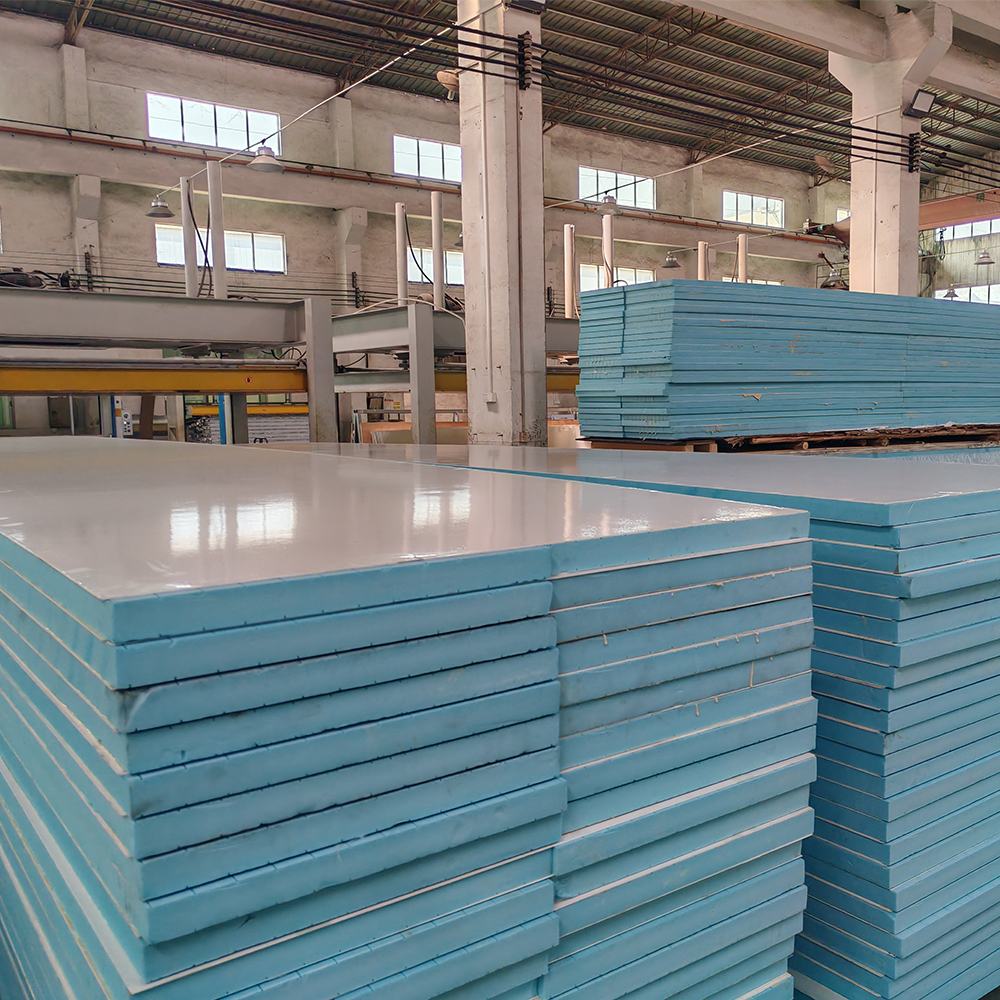
Introduction: Why Foam Core Procurement Requires Professional Evaluation
In the global composite materials market, selecting the right Foam Core material supplier is becoming increasingly important for manufacturers, engineering companies, and purchasing teams.
Foam Core materials are widely used in:
- Marine structures
- Wind turbine blades
- Transportation panels
- Building sandwich panels
- Industrial composite products
- Lightweight engineering applications
Common foam core materials include:
- PVC Foam Core
- PET Foam Core
- XPS Foam Core
- PU Foam Core
- PMI Foam Core
However, purchasing decisions should not be based only on material price. A low-cost foam core may create problems such as inconsistent quality, production failures, higher processing costs, and reduced product lifespan.
Professional buyers evaluate foam core suppliers based on multiple factors:
- Material performance
- Manufacturing capability
- Quality control system
- Technical support
- Customization ability
- Long-term supply stability
This procurement guide explains how global buyers evaluate foam core materials and select reliable suppliers.
1. Understanding Your Application Requirements Before Purchasing
The first step in foam core procurement is understanding the final application.
Different industries have completely different requirements.
Marine Applications
Marine structures require:
- High water resistance
- Excellent fatigue performance
- Impact resistance
- Long service life
Recommended materials:
- PVC Foam Core
- PET Foam Core
Typical applications:
- Yacht hulls
- Boat decks
- Ship interior panels
Wind Energy Applications
Wind turbine structures require:
- Lightweight design
- High fatigue resistance
- Long operating cycles
Recommended materials:
- PET Foam Core
- PVC Foam Core
- PMI Foam Core
Construction Applications
Construction panels usually focus on:
- Thermal insulation
- Moisture resistance
- Cost efficiency
Recommended materials:
- XPS Foam Core
- PU Foam Core
Transportation Applications
Transportation industries require:
- Weight reduction
- Mechanical strength
- Fire performance
Recommended materials:
- PET Foam Core
- PVC Foam Core
Before contacting suppliers, buyers should clearly define:
- Application environment
- Required strength level
- Manufacturing process
- Expected service life
This helps avoid selecting unsuitable materials.
2. Evaluating Foam Core Material Performance
A professional buyer should evaluate technical specifications rather than only product names.
Important performance parameters include:
Density
Density directly affects:
- Strength
- Weight
- Cost
Common density ranges:
| Material | Typical Density |
|---|---|
| PVC Foam Core | 45-250 kg/m³ |
| PET Foam Core | 60-250 kg/m³ |
| XPS Foam Core | 30-50 kg/m³ |
| PU Foam Core | 30-100 kg/m³ |
| PMI Foam Core | 50-200 kg/m³ |
Higher density generally provides higher strength, but also increases cost and weight.
Compression Strength
Compression strength determines whether the foam core can withstand mechanical loads.
Important for:
- Marine structures
- Wind blades
- Transportation panels
Buyers should request:
- Compression strength data
- Test standards
- Material grade information
Shear Strength
Shear performance is critical because the foam core transfers loads between composite skins.
Poor shear performance can lead to:
- Delamination
- Panel failure
- Reduced durability
Water Absorption
For outdoor and marine applications, buyers should check:
- Water absorption rate
- Closed-cell structure
- Long-term moisture resistance
3. Comparing Different Foam Core Materials During Purchasing
PVC Foam Core
Best for:
- High-performance composites
Advantages:
- Excellent mechanical strength
- Superior fatigue resistance
- Proven reliability
Typical buyers:
- Marine manufacturers
- Wind energy companies
PET Foam Core
Best for:
- Sustainable lightweight composites
Advantages:
- Recyclability
- Good mechanical performance
- Competitive cost-performance ratio
Typical buyers:
- Transportation manufacturers
- Renewable energy companies
XPS Foam Core
Best for:
- Insulation applications
Advantages:
- Excellent thermal performance
- Low cost
- Moisture resistance
Typical buyers:
- Construction companies
PU Foam Core
Best for:
- Thermal insulation panels
Advantages:
- Very low thermal conductivity
- Cost efficiency
Typical buyers:
- Cold storage manufacturers
- Building panel suppliers
PMI Foam Core
Best for:
- Advanced engineering applications
Advantages:
- Exceptional strength-to-weight ratio
- High temperature resistance
Typical buyers:
- Aerospace manufacturers
- High-performance industries
4. How to Evaluate Foam Core Supplier Capability
Selecting the right supplier is as important as selecting the right material.
A professional foam core manufacturer should have:
1. Stable Production Capacity
Buyers should evaluate:
- Factory size
- Production lines
- Monthly capacity
- Delivery capability
A supplier with stable capacity can support:
- Large orders
- Long-term cooperation
- Emergency production requirements
2. Quality Control System
Quality consistency is critical for composite manufacturing.
Important inspection items include:
- Density control
- Thickness tolerance
- Surface quality
- Cell structure
- Mechanical testing
Professional suppliers should provide:
- Inspection reports
- Material datasheets
- Quality certificates
3. Customization Capability
Different projects require different specifications.
A capable supplier should support:
- Custom thickness
- Custom density
- Custom sheet size
- Special performance requirements
Examples:
- High density PET Foam Core
- Fire-resistant Foam Core
- Reinforced Foam Core
- CNC machining service
5. Evaluating Sample Quality Before Bulk Purchase
Before placing large orders, buyers should always conduct sample testing.
Recommended evaluation:
Appearance Inspection
Check:
- Surface flatness
- Color consistency
- Defects
- Edge quality
Dimensional Accuracy
Confirm:
- Thickness tolerance
- Length and width accuracy
Poor dimensional control can increase production waste.
Performance Testing
Depending on application:
Test:
- Compression strength
- Shear strength
- Water absorption
- Thermal performance
6. Manufacturing Compatibility: A Key Purchasing Factor
Even a high-quality foam core may fail if it does not match the production process.
Buyers should confirm compatibility with:
Vacuum Infusion
Important for:
- Marine composites
- Wind turbine blades
Requirements:
- Resin flow capability
- Surface bonding performance
Lamination Process
Check:
- Adhesion quality
- Temperature resistance
- Processing stability
CNC Machining
For customized composite panels:
Requirements:
- Cutting stability
- Dimensional accuracy
- Edge quality
7. Cost Evaluation: Avoid Choosing Only the Cheapest Supplier
Price is important, but it should not be the only purchasing factor.
A professional cost evaluation includes:
Material Price
Initial purchase cost.
Processing Cost
Poor-quality foam core may cause:
- More waste
- More labor
- Production delays
Long-Term Cost
Consider:
- Product durability
- Maintenance requirements
- Failure risk
A slightly higher-quality foam core may reduce total project cost.
8. Supplier Questions Every Buyer Should Ask
Before cooperation, procurement teams should ask:
Technical Questions
- What density grades are available?
- What thicknesses can be supplied?
- What are the mechanical properties?
- Which resin systems are compatible?
Production Questions
- What is your monthly capacity?
- Do you support customized specifications?
- What quality control processes are used?
Business Questions
- What markets do you supply?
- Can you support long-term orders?
- What is your delivery capability?
9. Common Mistakes in Foam Core Procurement
Mistake 1: Selecting Based Only on Price
Low-price materials may result in:
- Poor consistency
- Higher production loss
- Lower product quality
Mistake 2: Ignoring Application Requirements
Different industries require different materials.
For example:
PVC Foam Core may be excellent for marine structures but unnecessary for simple insulation panels.
Mistake 3: Not Testing Samples
Bulk purchasing without testing increases project risk.
Always verify:
- Performance
- Compatibility
- Quality stability
10. Final Procurement Strategy for Global Foam Core Buyers
A successful foam core purchasing strategy should follow these steps:
Step 1: Define Application Requirements
Identify:
- Load conditions
- Environment
- Manufacturing process
Step 2: Select Suitable Material Type
Choose between:
- PVC Foam Core
- PET Foam Core
- XPS Foam Core
- PU Foam Core
- PMI Foam Core
Step 3: Confirm Technical Specifications
Evaluate:
- Density
- Thickness
- Strength
- Thermal properties
Step 4: Evaluate Supplier Capability
Check:
- Factory capacity
- Quality system
- Customization ability
Step 5: Conduct Sample Testing
Verify:
- Product performance
- Processing compatibility
