Wind turbine blades are one of the most demanding applications for composite core materials because they must combine extremely low structural weight with high stiffness, strength, fatigue resistance, and long-term environmental durability. As blade lengths continue to increase, controlling structural weight becomes increasingly important because additional mass can increase gravitational loads, centrifugal loads, transportation requirements, and loads transmitted to other turbine components.
In a typical composite wind turbine blade, the core is positioned between fiber-reinforced skins and structural laminates. The skins carry much of the tensile and compressive loading, while composite core materials contribute to the blade’s thickness, shear stiffness, local stability, and resistance to buckling.
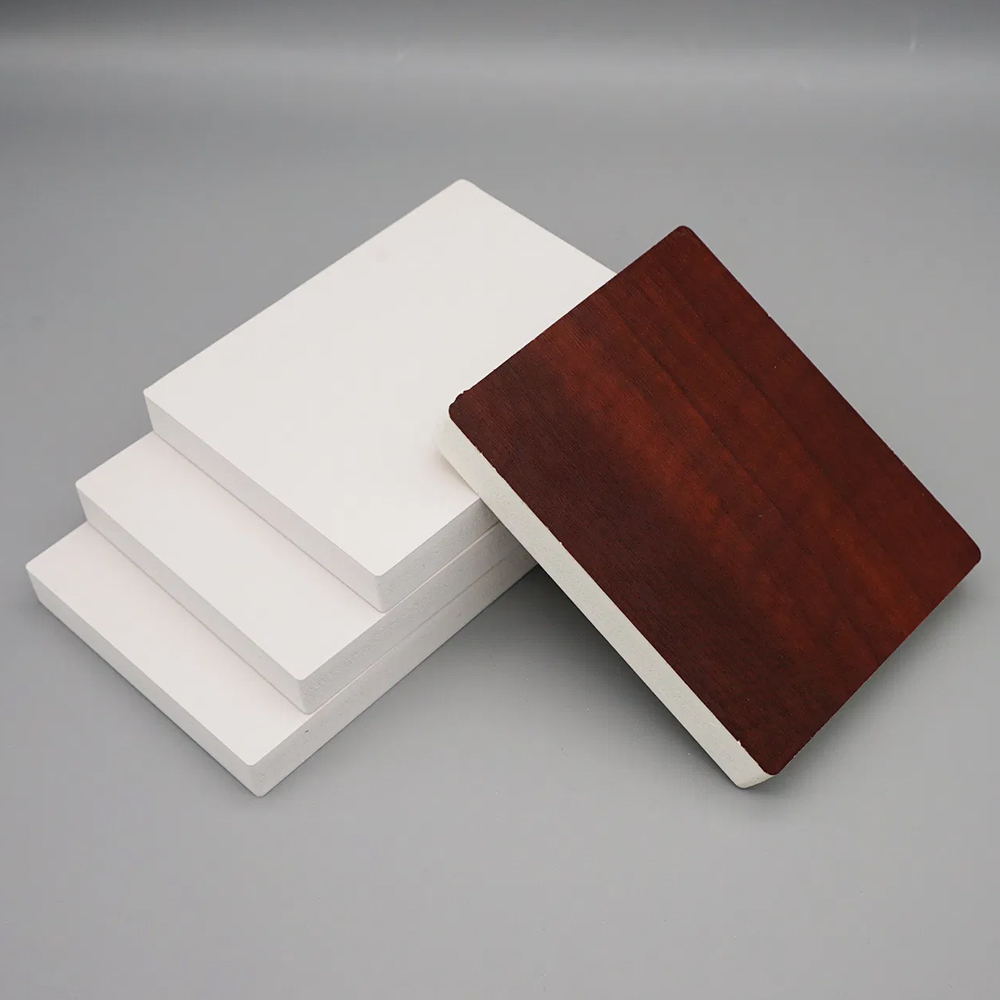
PVC Foam Core, PET Foam Core, Balsa Core, and other structural core solutions can be used in different blade regions depending on the design. The material does not necessarily have to be identical throughout the blade. High-load regions may require higher-density or higher-performance core materials, while lower-load areas can use lighter grades.
One of the most important properties is shear performance. Research on sandwich structures has shown that the mechanical behavior and global stability of foam-core sandwich structures are strongly influenced by the shear response of the core.
Example Core Material Data
| Core Material | Example Density | Shear Modulus | Typical Engineering Consideration |
| PET Foam | ~105 kg/m³ | ~21 MPa | Lightweight structural core |
| Cross-linked PVC Foam | ~60 kg/m³ | ~22 MPa | High efficiency at low density |
| Balsa | ~94 kg/m³ | ~106 MPa | High shear stiffness |
| PMI Foam | Grade dependent | Grade dependent | High-performance applications |
These values are examples reported in a research study and should not be interpreted as universal commercial specifications.
Fatigue performance is another major issue. Wind turbine blades may experience millions of cyclic loading events over their service life. A core that performs well in a static compression test may not necessarily provide the required fatigue durability. Therefore, procurement teams should request fatigue data where appropriate.
Manufacturing compatibility is equally important. Large blade components are often produced using resin infusion or related composite manufacturing processes. Core materials may require perforation, grooving, scoring, contouring, or other treatments to facilitate resin distribution and complex blade geometry.
For procurement, a wind-energy RFQ should therefore include:
| Requirement | Recommended Procurement Information |
| Density | Nominal value + tolerance |
| Thickness | Nominal thickness + tolerance |
| Shear strength | Minimum value |
| Shear modulus | Minimum value |
| Compression strength | Minimum value |
| Fatigue | Required test method/data |
| Water absorption | Test method + limit |
| Resin compatibility | Resin system specified |
| Processing | Infusion/prepreg/other |
| Core treatment | Perforation/grooving/scoring |
| Dimensions | Sheet/block size |
| Quality | Batch inspection requirements |
The ideal composite core materials for wind blades should therefore combine low density, high structural efficiency, reliable fatigue performance, stable dimensions, good processability, and consistent large-volume supply.
For procurement managers, the supplier’s ability to deliver thousands of square meters or cubic meters with consistent density and thickness can be just as important as the initial laboratory mechanical data.