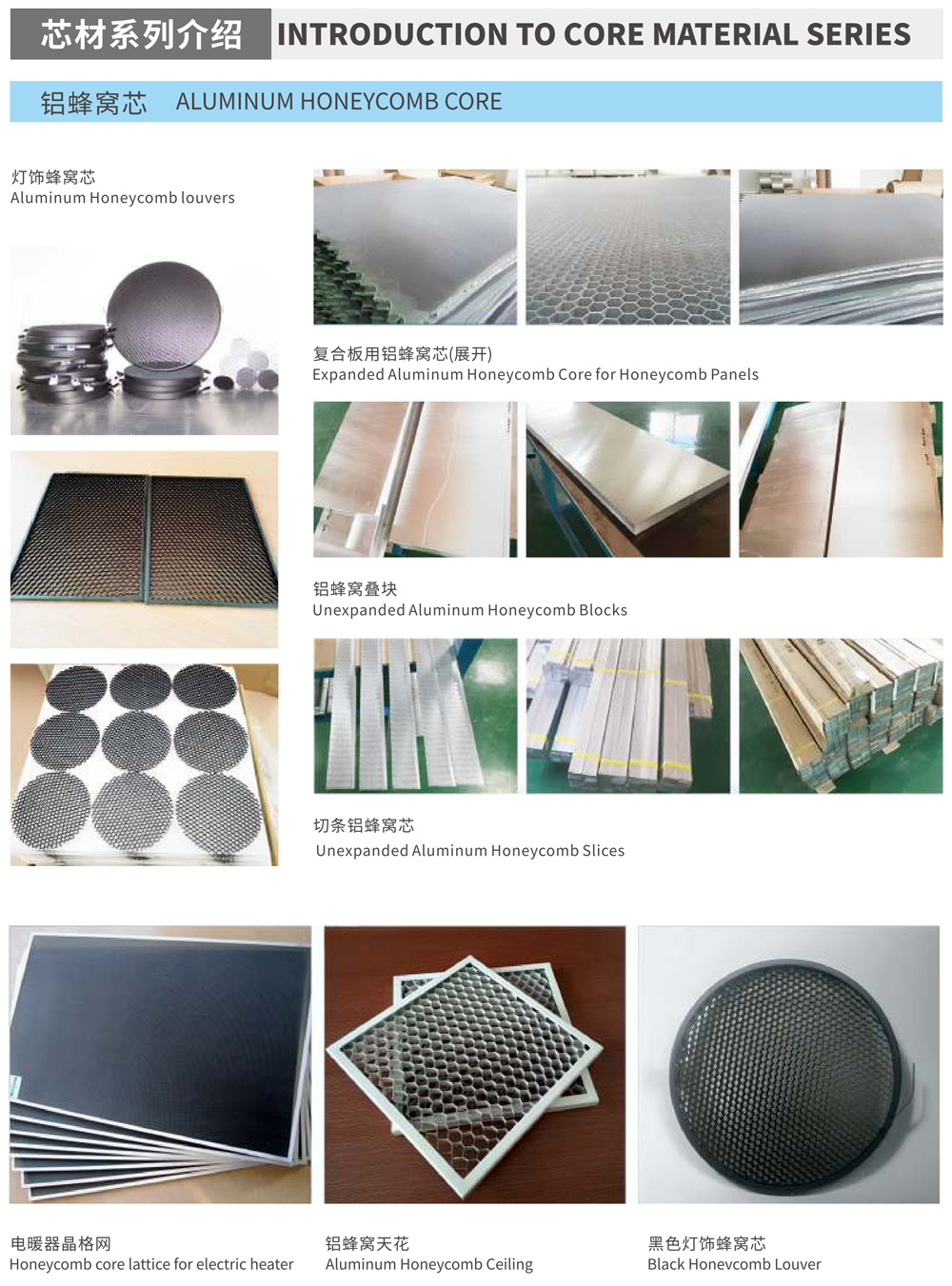
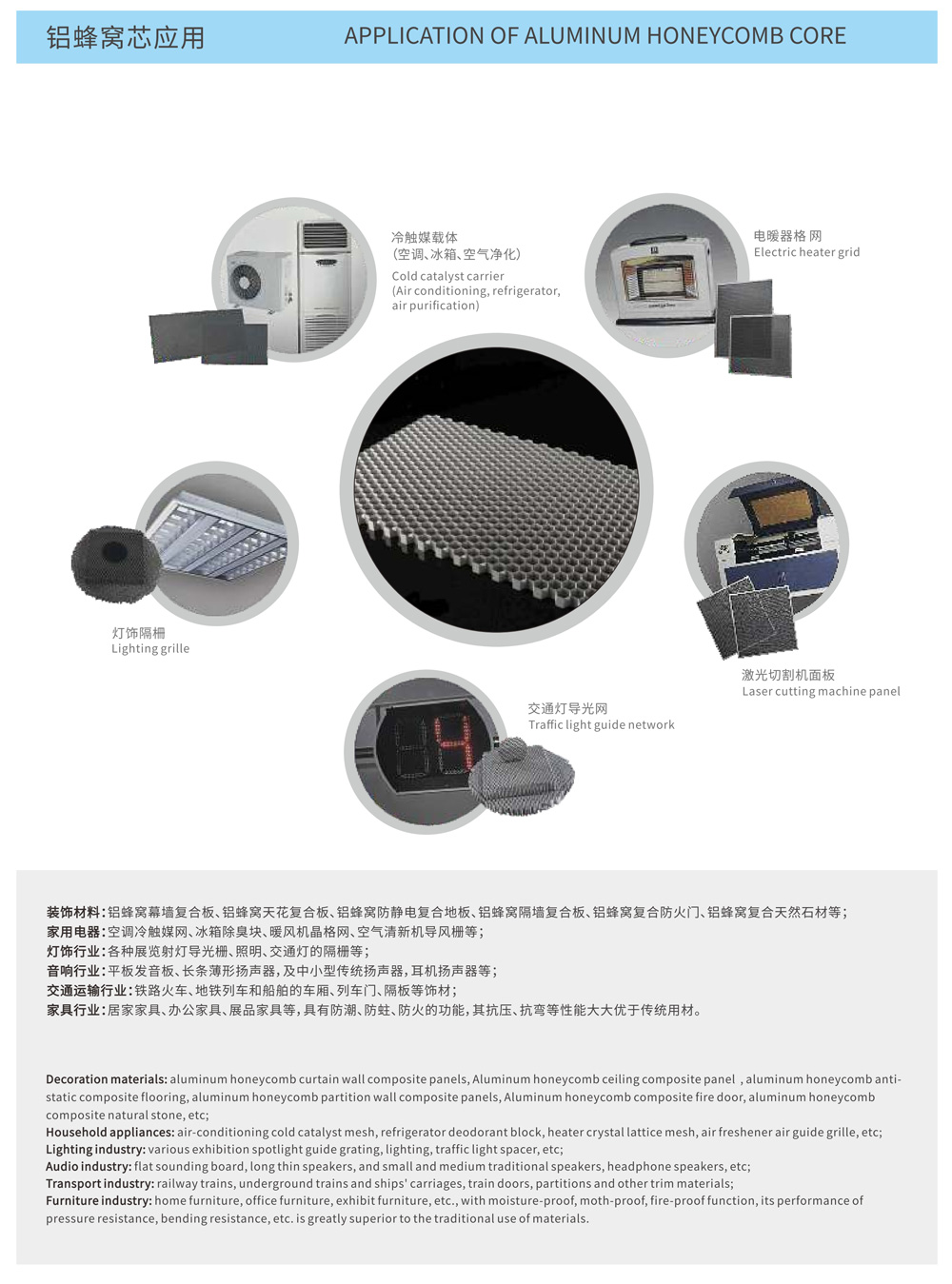
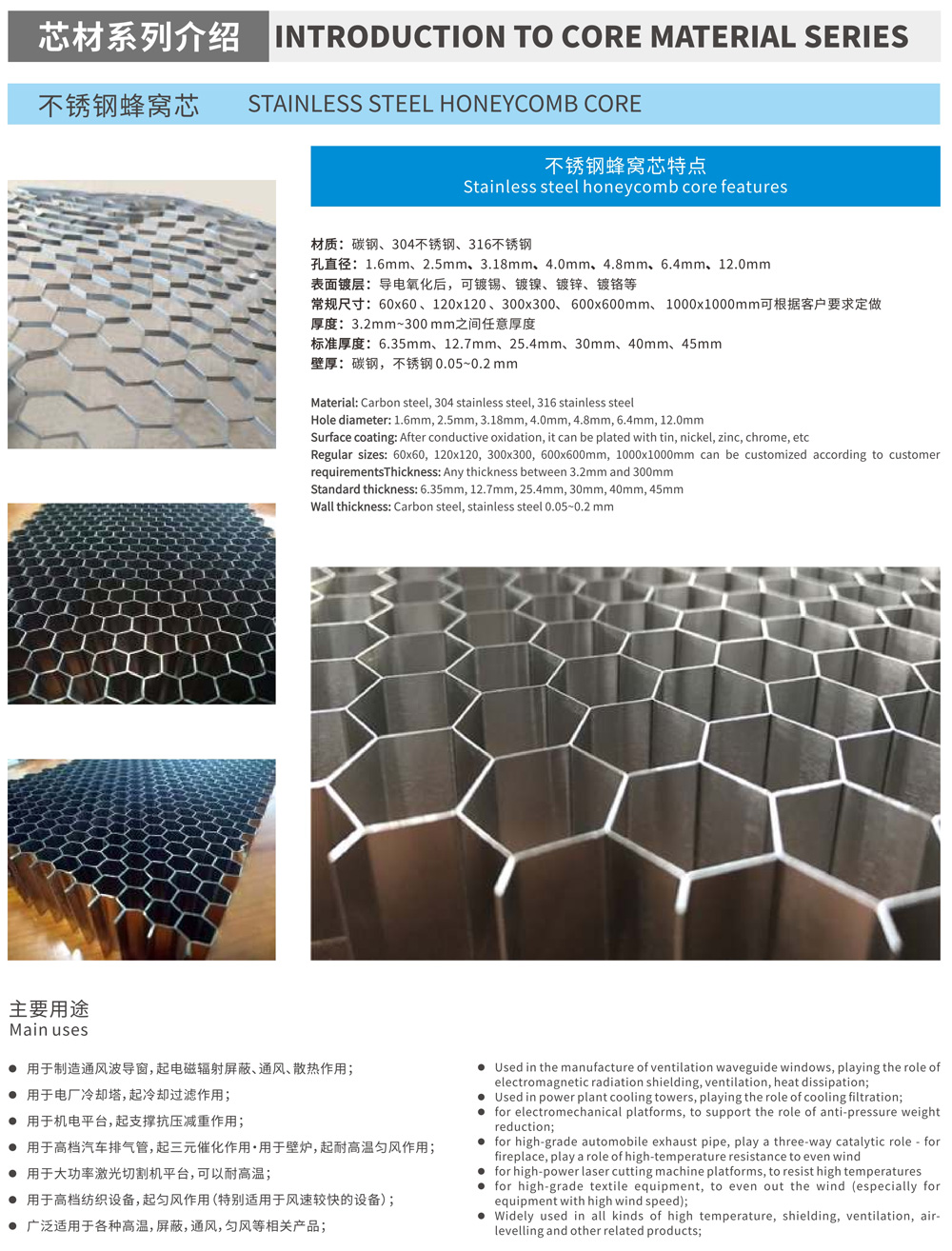
Aluminum Honeycomb Core Manufacturer – Lightweight Structural Core Material for Industrial Applications
ONEBOND is a professional manufacturer of aluminum honeycomb core materials for composite panel production, architectural applications, marine interiors, transportation systems, and industrial structures.
Our Aluminum Honeycomb Core is manufactured using aluminum foil and precision bonding and expansion processes to create a lightweight hexagonal cell structure. With a combination of low weight, high stiffness, dimensional stability, and customizable specifications, aluminum honeycomb core provides an effective structural solution for a wide range of sandwich panel applications.
We supply aluminum honeycomb core materials in different cell sizes, aluminum foil thicknesses, core thicknesses, densities, and sheet dimensions to meet different manufacturing requirements.
Whether you manufacture FRP sandwich panels, aluminum honeycomb panels, marine composite boards, or industrial structural panels, ONEBOND can provide customized honeycomb core solutions according to your product design and production requirements.
Main Product Features:
- Lightweight hexagonal honeycomb structure
- High stiffness-to-weight ratio
- Custom cell size and aluminum foil thickness
- Multiple core thicknesses and density options
- Suitable for FRP, aluminum, and metal sandwich panels
- Customized cutting and dimensional processing
- Factory-direct manufacturing and OEM support
Looking for a reliable Aluminum Honeycomb Core manufacturer? Contact ONEBOND to discuss your required specifications and project applications.
What Is Aluminum Honeycomb Core?
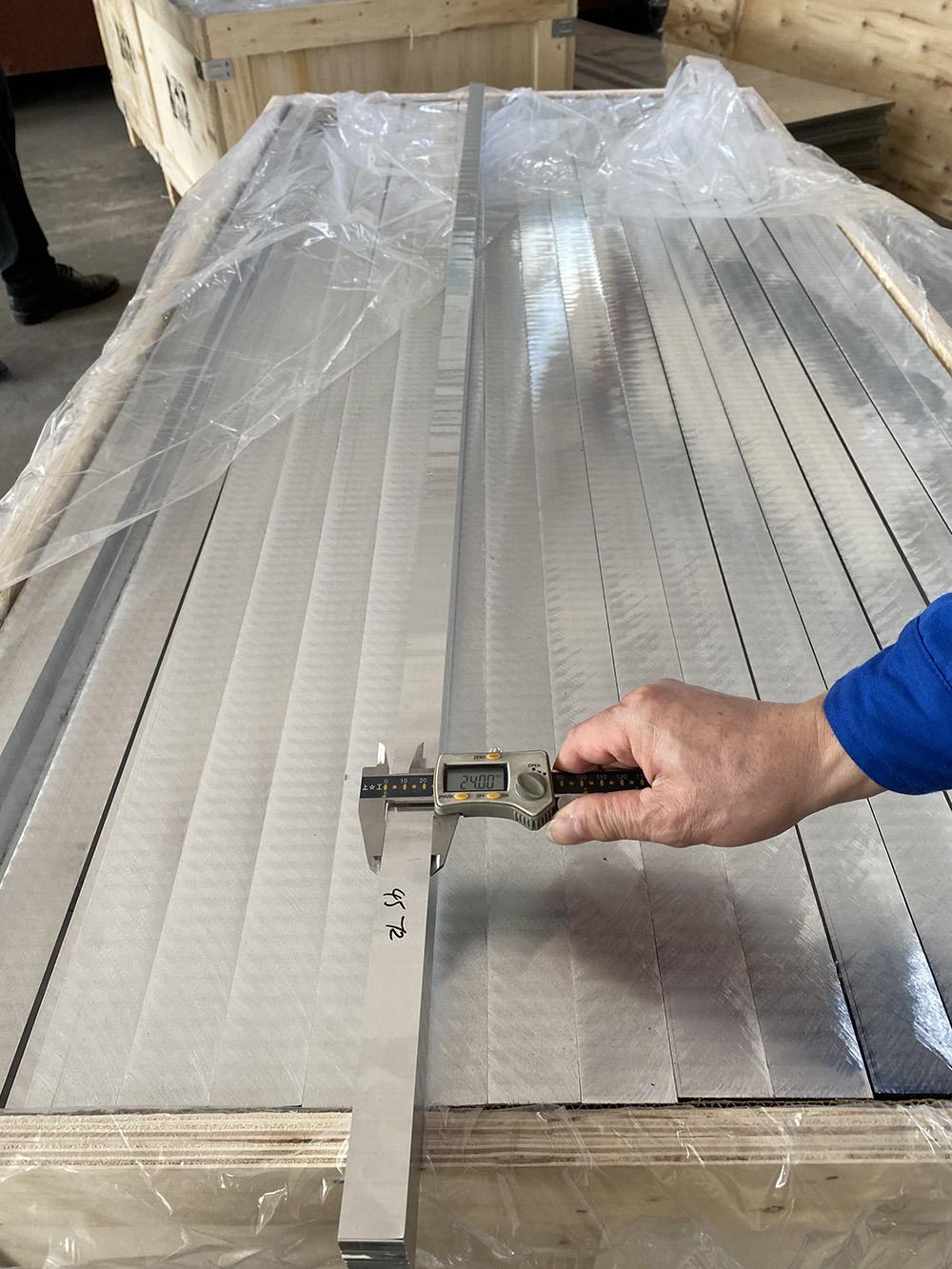
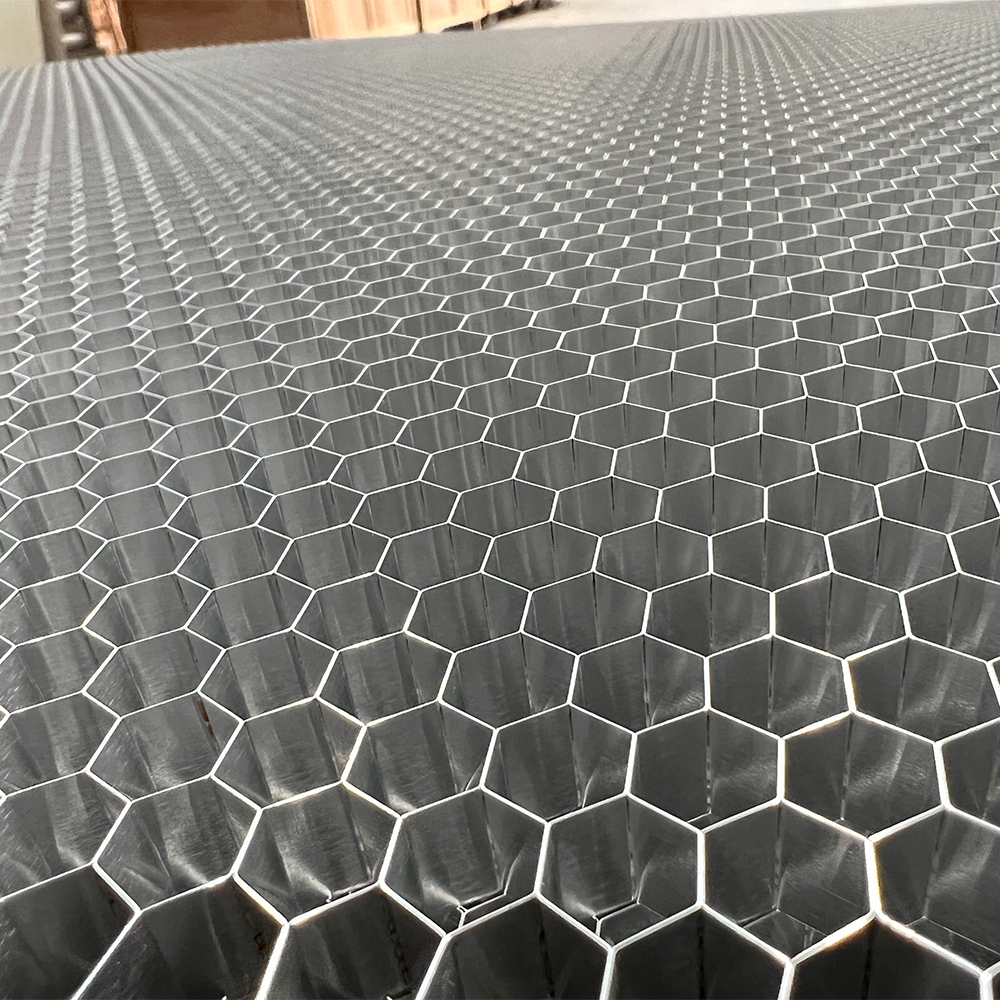
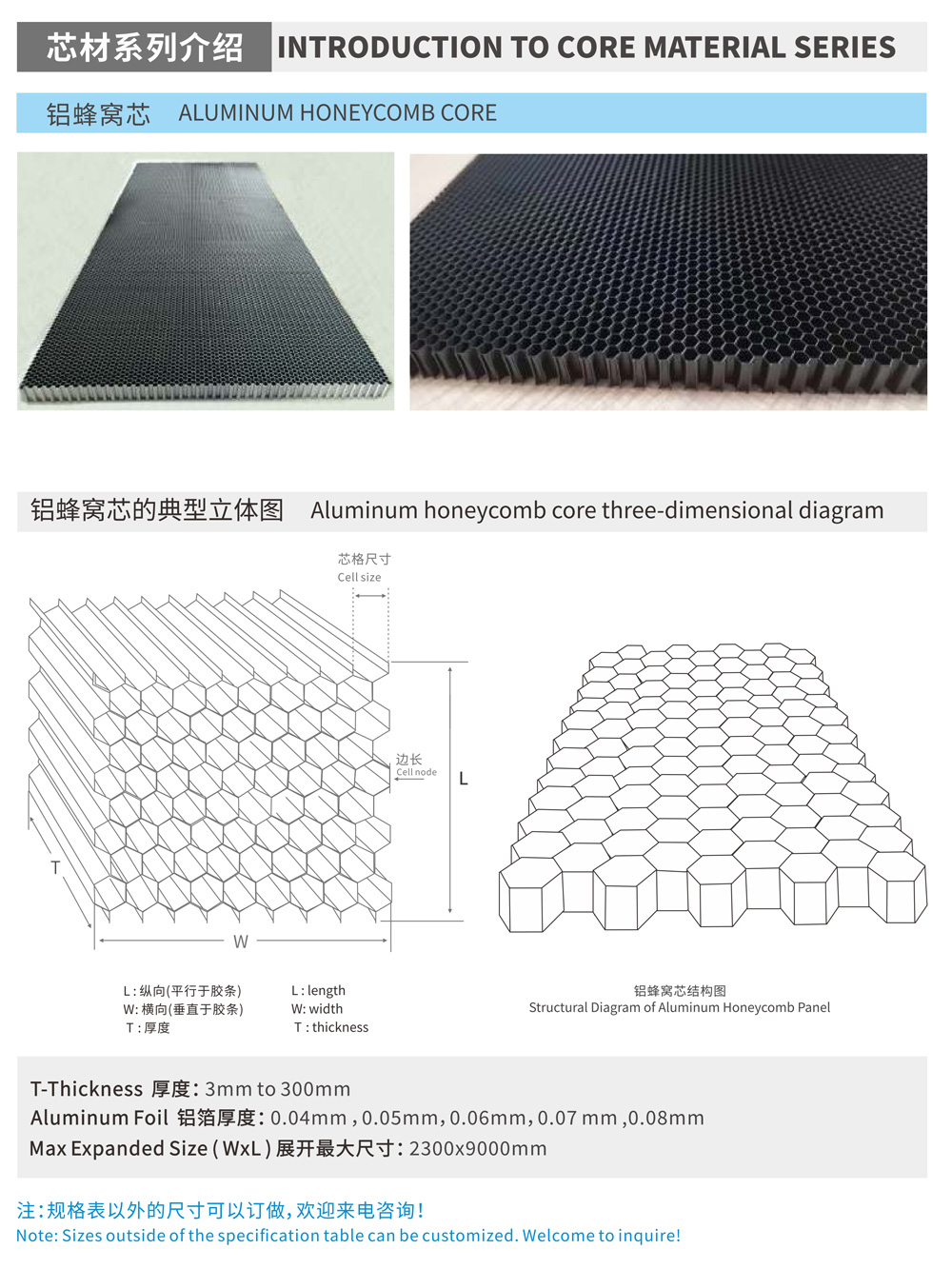
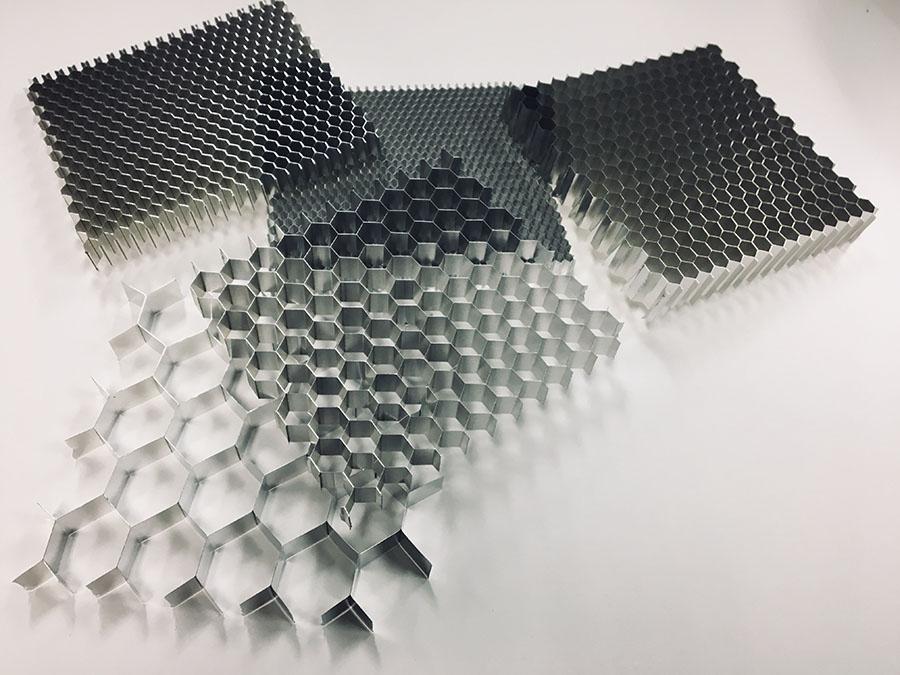
Aluminum Honeycomb Core is a lightweight structural material made from thin aluminum foil bonded together and expanded into a regular hexagonal cellular structure.
The hexagonal configuration is inspired by natural honeycomb geometry. It provides an efficient structural design by distributing loads across multiple interconnected cell walls while minimizing material weight.
Aluminum honeycomb core is widely used as the central layer in sandwich panel structures. When bonded between two rigid face sheets, it helps improve the overall stiffness and bending performance of the composite panel without requiring a solid metal construction.
A typical aluminum honeycomb sandwich panel consists of three main components:
- Top Face Sheet: Aluminum sheet, FRP sheet, stainless steel sheet, or other composite materials.
- Honeycomb Core: Aluminum honeycomb structure providing internal support and structural separation.
- Bottom Face Sheet: A second face sheet bonded to the opposite side of the core.
The core maintains the distance between the two face sheets, allowing the sandwich structure to achieve high bending stiffness with relatively low overall weight.
Main Characteristics of Aluminum Honeycomb Core
| Characteristic | Description |
|---|---|
| Material | Aluminum Alloy |
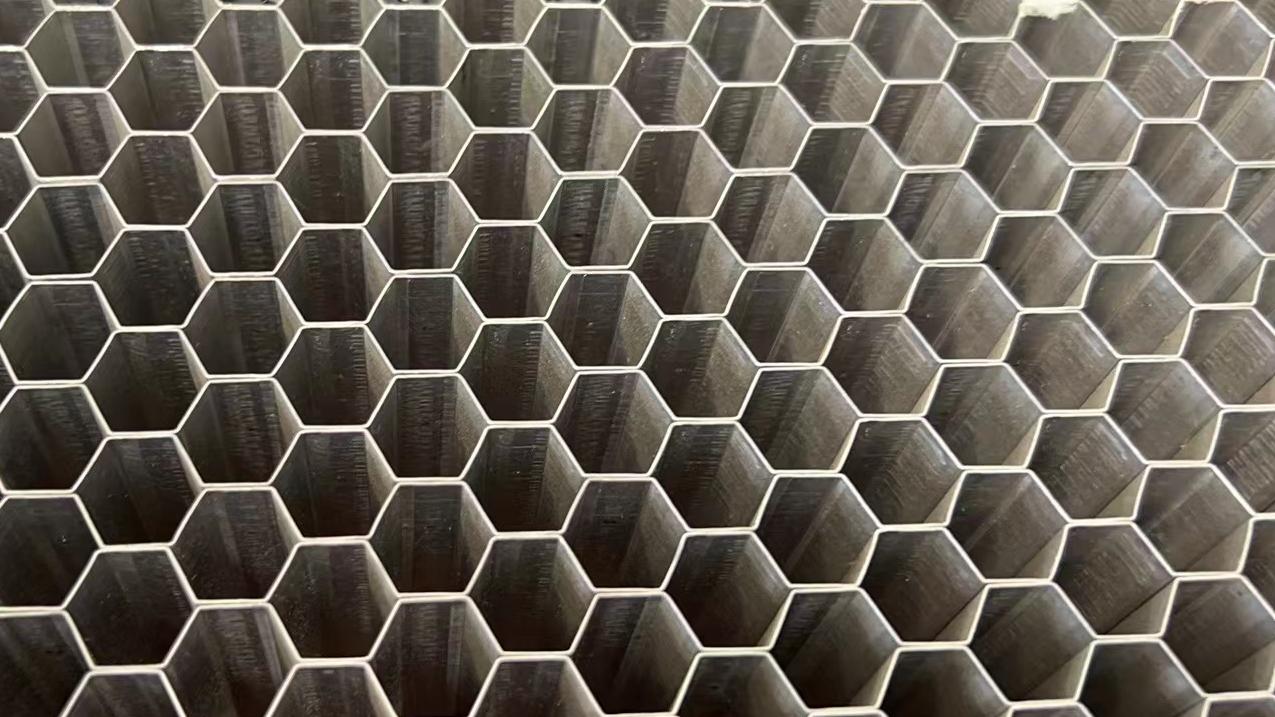
| Structure | Hexagonal Honeycomb Cells |
| Weight | Lightweight |
| Stiffness | High Structural Stiffness |
| Compression Performance | Depends on cell geometry and foil thickness |
| Shear Performance | Depends on cell structure and bonding quality |
| Corrosion Resistance | Depends on alloy and surface treatment |
| Processing | Cutting, Shaping, Expansion |
| Application | Sandwich Panels and Structural Components |
Aluminum honeycomb core is not simply a lightweight filler material. It is an engineered structural core designed to work together with face sheets and adhesive systems.
This makes it particularly suitable for manufacturers seeking to reduce panel weight while maintaining structural performance.
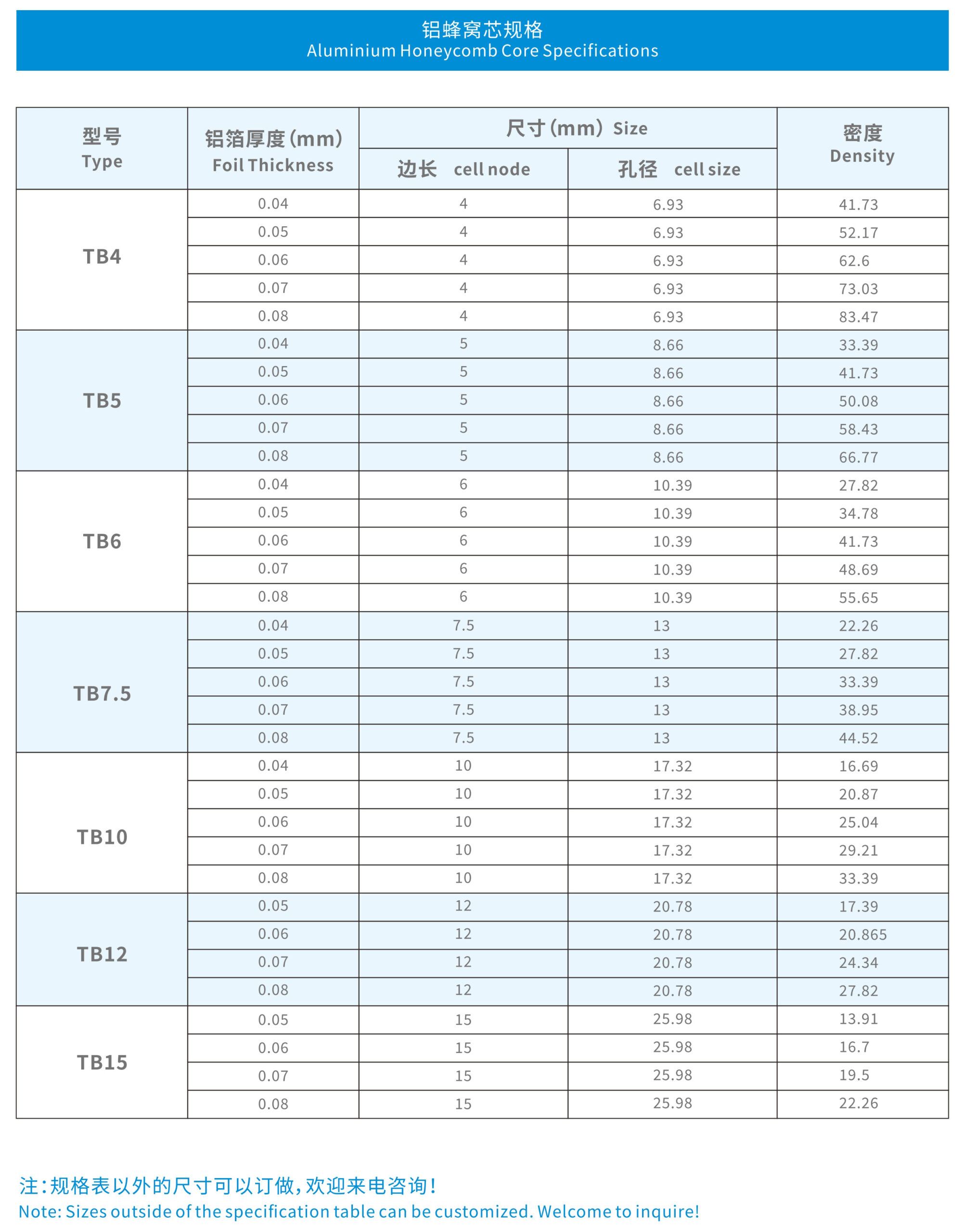
Aluminum Honeycomb Core Specifications
Different applications require different honeycomb core specifications. Cell size, aluminum foil thickness, core thickness, alloy selection, and density all influence the final mechanical properties and manufacturing suitability.
ONEBOND offers customizable aluminum honeycomb core specifications for different composite panel manufacturing requirements.
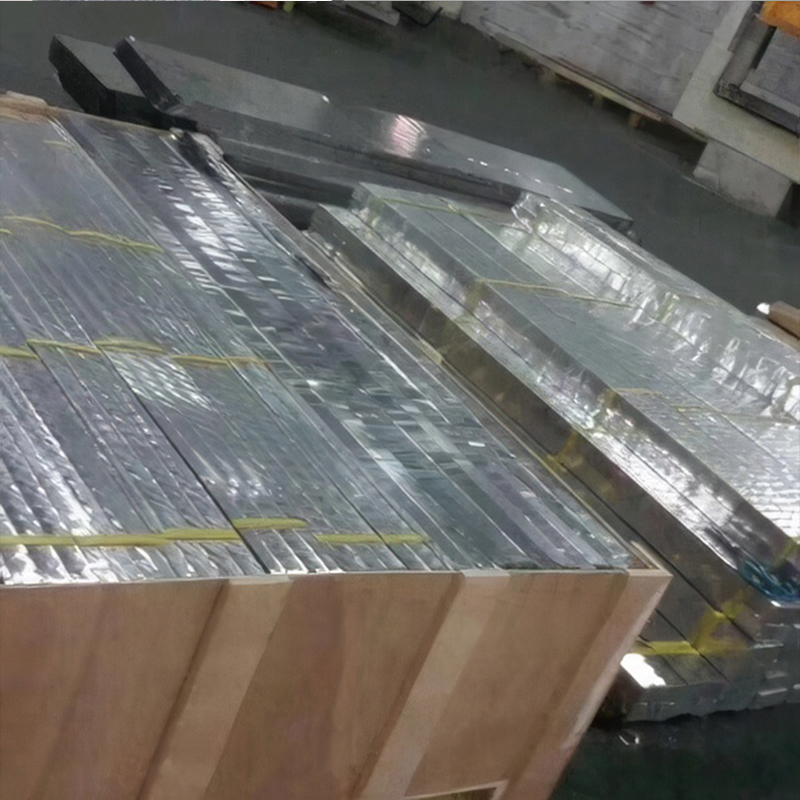
Standard and Customized Specifications
| Specification | Available Options |
|---|---|
| Aluminum Alloy | 3003 / 5052 |
| Cell Size | 3.2 / 4 / 5 / 6 / 8 / 10 / 12.7 / 15 / 20 mm |
| Aluminum Foil Thickness | 0.03–0.10 mm |
| Core Thickness | 3–100 mm |
| Core Density | 20–100 kg/m³ |
| Cell Shape | Hexagonal |
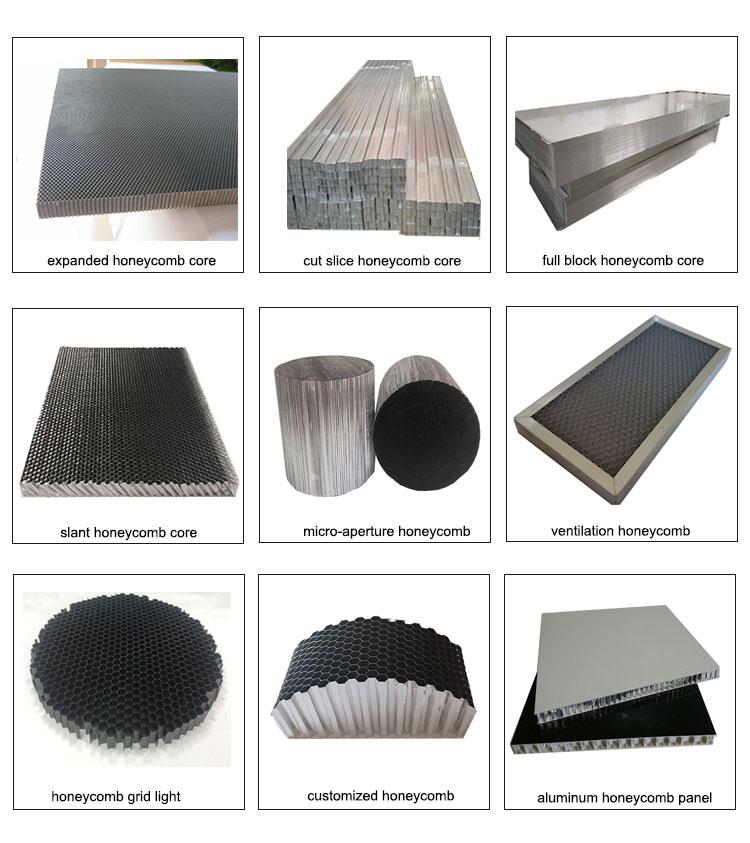
| Product Form | Expanded Sheet / Block / Customized |
| Surface Treatment | Bare / Coated / Customized |
| Processing | Cutting / Shaping / Perforating |
| Dimensions | Customized According to Requirements |
Note: The listed values represent indicative customization ranges rather than guaranteed standard stock specifications. Actual availability depends on aluminum alloy, foil thickness, cell geometry, manufacturing equipment, and mechanical performance requirements.
1. Cell Size
Cell size refers to the characteristic dimension of each hexagonal honeycomb cell.
Common cell sizes include 3.2 mm, 4 mm, 5 mm, 6 mm, 8 mm, 10 mm, and 12.7 mm.
Different cell sizes can influence:
- Core density
- Local support characteristics
- Adhesive contact and bonding conditions
- Compression and shear performance
- Surface stability of the finished sandwich panel
Smaller cells are often selected when more frequent support points and specific structural requirements are needed. Larger cells may be selected for weight and cost optimization.
The correct cell size should be determined according to the face sheet material, panel dimensions, loading conditions, and manufacturing process.
2. Aluminum Foil Thickness
Aluminum foil thickness is one of the key factors affecting honeycomb core mechanical properties.
Typical options include 0.03 mm, 0.04 mm, 0.05 mm, 0.06 mm, 0.08 mm, and 0.10 mm.
Thicker aluminum foil generally increases the material used per unit volume and can improve certain structural properties. However, the actual performance also depends on cell size, alloy, bonding quality, and core geometry.
3. Core Thickness
Aluminum honeycomb core thickness is selected according to the required finished sandwich panel thickness and structural design.
Common engineering requirements include 5 mm, 10 mm, 15 mm, 20 mm, 25 mm, 30 mm, 40 mm, 50 mm, and thicker custom cores.
Core thickness affects the separation between the two face sheets and therefore plays an important role in the bending stiffness of the finished sandwich panel.
4. Core Density
Core density is determined by the combined effect of aluminum foil thickness, cell size, alloy, and honeycomb geometry.
Different density options are suitable for different lightweight structural applications.
Rather than selecting density independently, buyers should evaluate it together with compression strength, shear strength, and panel design requirements.
Aluminum Honeycomb Core Manufacturing Process
The manufacturing quality of aluminum honeycomb core depends on raw material selection, adhesive application, stacking accuracy, pressing conditions, expansion control, and final inspection.
A stable manufacturing process helps ensure consistent cell geometry, dimensional accuracy, and mechanical performance.
Main Manufacturing Steps
Step 1: Aluminum Foil Preparation
Aluminum foil is selected according to the required alloy, thickness, and product specifications.
The foil surface must meet the requirements of the bonding process.
Step 2: Adhesive Coating
Adhesive is applied to the aluminum foil in a controlled pattern.
The coating process influences bonding quality and the strength of the honeycomb structure.
Step 3: Foil Stacking
The coated aluminum foils are stacked in a predetermined arrangement.
Accurate positioning is important for achieving uniform cell geometry after expansion.
Step 4: Hot Pressing and Bonding
The stacked aluminum foils undergo controlled pressing and curing according to the adhesive system.
This process creates bonded honeycomb blocks.
Step 5: Expansion
The bonded blocks are expanded to form a regular hexagonal honeycomb structure.
Expansion quality affects cell size, geometric uniformity, and final core dimensions.
Step 6: Cutting and Processing
The expanded honeycomb core is cut according to the required thickness and dimensions.
Additional processing can be arranged according to customer specifications.
Step 7: Quality Inspection
Finished products are inspected for appearance, dimensions, density, cell geometry, and relevant mechanical properties.
Quality Control During Manufacturing
| Production Stage | Quality Control Items |
|---|---|
| Raw Material | Alloy, foil thickness, surface condition |
| Adhesive Coating | Coating consistency, bonding suitability |
| Foil Stacking | Alignment, spacing, stacking accuracy |
| Hot Pressing | Temperature, pressure, curing conditions |
| Expansion | Cell size, geometry, uniformity |
| Cutting | Thickness, dimensions, tolerances |
| Final Inspection | Density, compression, shear and appearance |
For industrial buyers, consistent batch quality is often more important than simply obtaining a low unit price.
ONEBOND focuses on specification control and manufacturing consistency to support customers with repeat orders and long-term production requirements.
Applications of Aluminum Honeycomb Core
Aluminum honeycomb core is used across multiple industries where lightweight construction, structural stiffness, and dimensional stability are important.
1. FRP Composite Sandwich Panels
Aluminum honeycomb core is widely applicable to FRP sandwich panel manufacturing.
The core is bonded between fiberglass-reinforced plastic face sheets to create a lightweight composite structure.
Typical applications include:
- FRP truck body panels
- Refrigerated truck body panels
- RV sandwich panels
- Marine composite panels
- Industrial FRP boards
- Lightweight equipment panels
For FRP manufacturers, important selection factors include core thickness, cell size, density, adhesive compatibility, and bonding performance with the fiberglass skin.
Target customers: FRP sandwich panel manufacturers, truck body panel factories, RV manufacturers, and composite material producers.
2. Architectural and Building Panels
In the construction industry, aluminum honeycomb core is used to manufacture lightweight architectural sandwich panels.
Common applications include:
- Aluminum honeycomb wall panels
- Aluminum honeycomb ceiling panels
- Curtain wall panels
- Decorative wall cladding
- Interior partition panels
- Large-format architectural panels
The lightweight structure helps reduce the weight of finished panels while providing structural support.
Target customers: Aluminum honeycomb panel factories, architectural material manufacturers, curtain wall manufacturers, and metal fabrication companies.
3. Marine and Shipbuilding Panels
Marine applications require materials that combine lightweight construction with suitable structural and environmental performance.
Aluminum honeycomb core can be used in the manufacture of:
- Marine interior panels
- Ship bulkhead panels
- Yacht furniture panels
- Lightweight cabin partitions
- Marine ceiling panels
- Composite flooring structures
For marine applications, buyers should evaluate alloy selection, corrosion protection, adhesive compatibility, moisture exposure, and the fire performance of the complete panel assembly.
Target customers: Ship interior manufacturers, yacht builders, marine composite panel factories, and shipbuilding material suppliers.
4. Transportation and Railway Panels
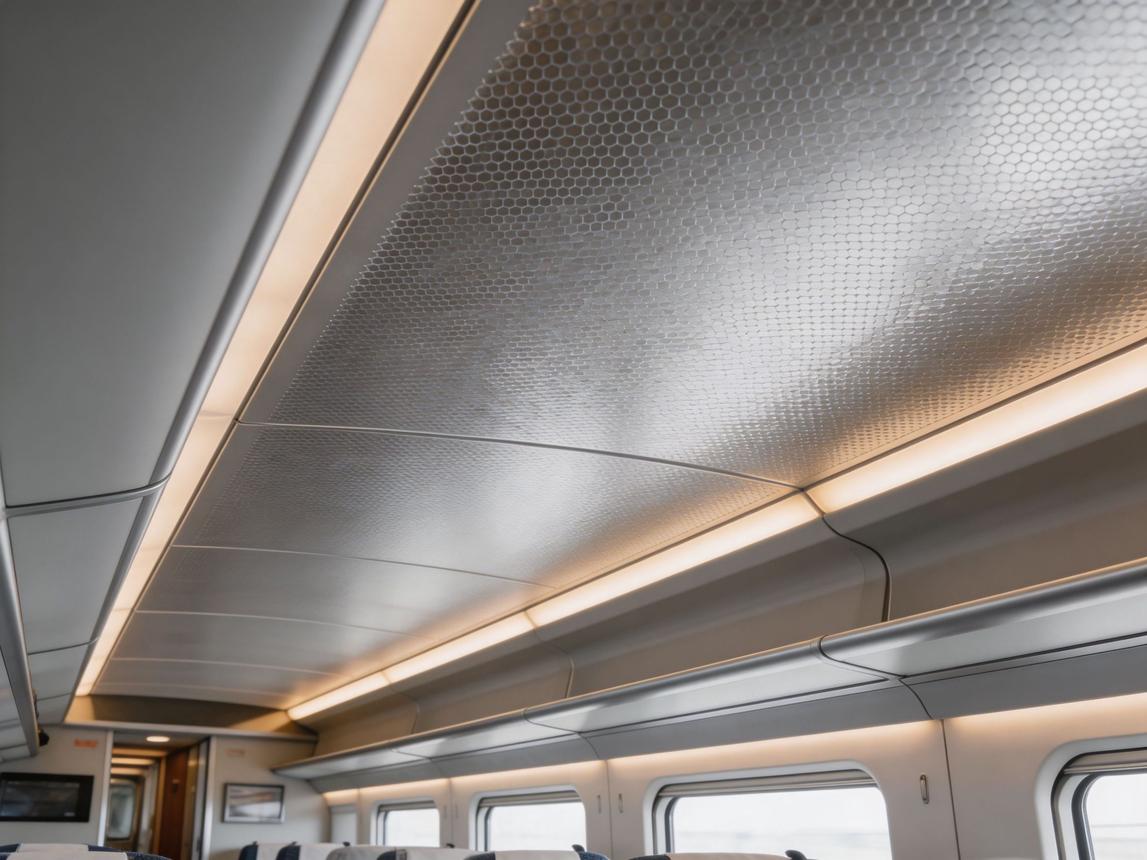
Lightweight composite structures are important in transportation manufacturing.
Aluminum honeycomb core can be incorporated into:
- Railway interior panels
- Train flooring systems
- Bus interior panels
- Truck body composite panels
- Vehicle partition panels
- Transportation equipment structures
Reducing panel weight can contribute to overall vehicle weight optimization.
Target customers: Railway interior manufacturers, bus body manufacturers, transportation composite panel producers, and vehicle equipment suppliers.
5. Industrial Equipment and Machinery
Aluminum honeycomb core is also suitable for industrial applications requiring lightweight and rigid panel structures.
Typical applications include:
- Industrial machine panels
- Equipment covers
- Lightweight working platforms
- Industrial partition boards
- Cleanroom sandwich panels
- Specialized tooling structures
The appropriate honeycomb core specification depends on panel span, loading conditions, face sheet materials, and structural design.
Target customers: Industrial equipment manufacturers, automation companies, machinery panel factories, and industrial composite board manufacturers.
Custom Aluminum Honeycomb Core Manufacturing
Different manufacturers have different panel designs, production equipment, and performance requirements.
A standard aluminum honeycomb core specification may not always fit a customer’s production process.
ONEBOND supports customized aluminum honeycomb core manufacturing based on customer drawings, technical specifications, and application requirements.
Available Customization Options
| Customization Item | Description |
|---|---|
| Cell Size | Different hexagonal cell dimensions |
| Foil Thickness | Customized aluminum foil thickness |
| Core Thickness | Different core heights |
| Density | Adjusted through core geometry and material selection |
| Sheet Dimensions | Customized length and width |
| Aluminum Alloy | 3003 / 5052, subject to availability |
| Cutting | Customized core dimensions |
| Special Processing | Perforation and other agreed processing |
How to Specify Your Aluminum Honeycomb Core Requirements
To obtain an accurate quotation, buyers are encouraged to provide the following information:
- Required cell size.
- Aluminum foil thickness.
- Core thickness.
- Required density or mechanical performance.
- Aluminum alloy.
- Sheet length and width.
- Intended application.
- Estimated order quantity.
If you do not have a complete specification, you can provide the finished panel structure, face sheet material, and intended application. Our team can help identify the relevant core parameters for further evaluation.
Choosing an aluminum honeycomb core supplier involves more than comparing quotations.
For panel manufacturers and industrial buyers, supplier reliability directly affects production efficiency, finished panel quality, and delivery schedules.
ONEBOND focuses on manufacturing and supplying composite core materials for global industrial and construction markets.
1. Manufacturing Experience
With 20 years of production experience in composite material manufacturing, ONEBOND understands the material selection, processing, and quality requirements of different sandwich panel applications.
2. Customized Production
We support different cell sizes, foil thicknesses, core thicknesses, densities, and sheet dimensions to accommodate different customer requirements.
3. Quality Control
We emphasize raw material inspection, process control, dimensional inspection, and finished product quality checks.
4. Multiple Composite Material Solutions
In addition to aluminum honeycomb core, our product portfolio includes:
- PP Honeycomb Core
- PVC Foam Core
- PET Foam Core
- XPS Foam Core
- PMI Foam Core
- PU Foam Core
- FRP Sandwich Panels
- Aluminum Honeycomb Panels
This allows customers to explore different core material solutions for their composite panel projects.
5. OEM and Long-Term Supply
We support business-to-business cooperation, customized production requirements, and repeat-order supply arrangements.
Our goal is to establish stable manufacturing partnerships with composite panel factories, distributors, and industrial material buyers.
Aluminum Honeycomb Core vs Other Core Materials
Aluminum honeycomb core is one of several structural core materials used in sandwich panel manufacturing.
Different core materials offer different advantages depending on weight, strength, cost, processing requirements, and operating environment.
| Core Material | Main Characteristics | Typical Applications |
|---|---|---|
| Aluminum Honeycomb Core | Lightweight, rigid, metallic cellular structure | Architectural, marine, industrial panels |
| PP Honeycomb Core | Lightweight, thermoplastic, moisture-resistant | Automotive, truck body, packaging |
| PVC Foam Core | Closed-cell structure, good stiffness and insulation options | Marine, wind energy, FRP panels |
| PET Foam Core | Lightweight, recyclable thermoplastic foam | Transportation, wind energy, construction |
| XPS Foam Core | Lightweight, thermal insulation | Building insulation, backer boards |
| PMI Foam Core | High-performance structural foam | Aerospace, high-performance composites |
The right core material depends on the final panel design.
For example, aluminum honeycomb core may be suitable when a metallic cellular structure and high bending stiffness are required, while PVC or PET foam core may be more appropriate for certain composite structures requiring different bonding, insulation, or processing characteristics.
ONEBOND can help buyers compare different composite core materials according to their application requirements.
Frequently Asked Questions About Aluminum Honeycomb Core
1. What is Aluminum Honeycomb Core used for?
Aluminum honeycomb core is used in lightweight sandwich panels for architectural facades, FRP composite boards, marine interiors, railway panels, truck body panels, industrial equipment, and other structural applications.
2. What aluminum alloy is commonly used for aluminum honeycomb core?
Aluminum alloys 3003 and 5052 are commonly used. The appropriate alloy depends on mechanical requirements, corrosion exposure, manufacturing processes, and application conditions.
3. What cell sizes are available for Aluminum Honeycomb Core?
Common cell sizes include 3.2 mm, 4 mm, 5 mm, 6 mm, 8 mm, 10 mm, and 12.7 mm. Larger or smaller customized cell sizes may also be available depending on manufacturing capability.
4. How does aluminum foil thickness affect honeycomb core performance?
Aluminum foil thickness influences core density, compression strength, shear performance, and structural characteristics. Thicker foil generally increases material consumption and can improve certain mechanical properties.
5. What is the density of Aluminum Honeycomb Core?
Aluminum honeycomb core density varies according to aluminum alloy, foil thickness, cell size, and honeycomb geometry. Customized density can be developed to meet different structural requirements.
6. Can Aluminum Honeycomb Core be used with FRP panels?
Yes. Aluminum honeycomb core can be bonded between fiberglass-reinforced plastic face sheets to manufacture lightweight FRP sandwich panels. Adhesive compatibility, surface preparation, and bonding conditions should be evaluated before mass production.
7. Can you manufacture customized Aluminum Honeycomb Core?
Yes. ONEBOND supports customized cell sizes, foil thicknesses, core thicknesses, densities, sheet dimensions, and processing requirements according to customer specifications.
8. How do I choose the right Aluminum Honeycomb Core?
The selection should consider the intended application, face sheet materials, panel dimensions, loading conditions, required mechanical performance, and manufacturing process. Buyers can provide technical drawings or product requirements for specification evaluation.