
In the pursuit of modern building standards, such as Passive House or Net Zero Energy, the thickness and quality of insulation are primary design drivers. 50mm XPS insulation represents a critical threshold in this endeavor, offering a substantial boost in thermal resistance (R-value) while maintaining the excellent physical properties inherent to extruded polystyrene. This article explores why this specific thickness is a popular choice for exterior walls, floors, and roofs, detailing its performance characteristics, installation protocols, and the measurable benefits it brings to a project.
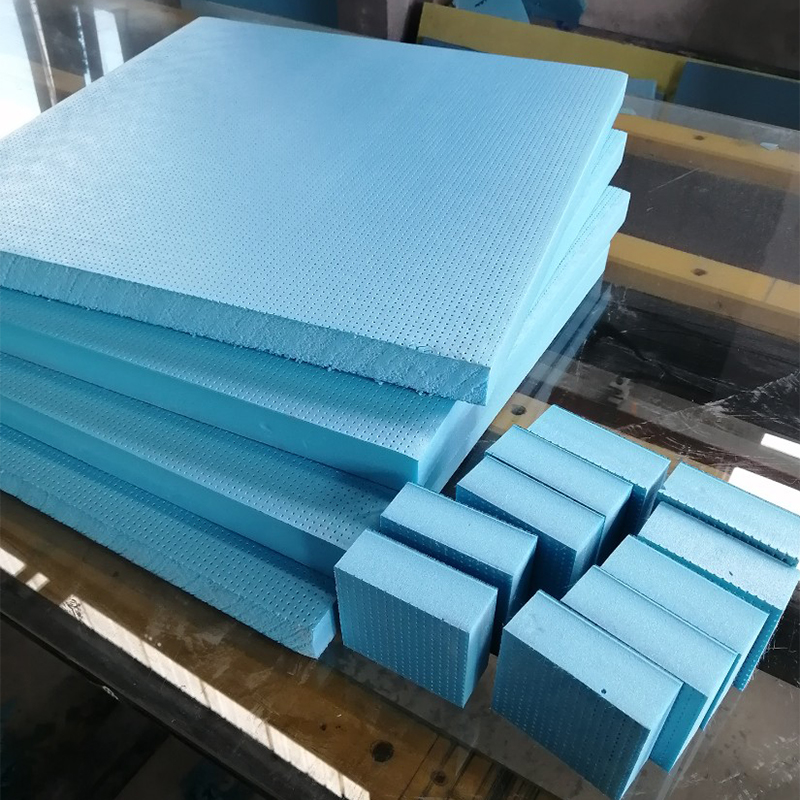
The Performance Profile of 50mm XPS
A 50mm XPS insulation board provides an R-value in the range of R-3.5 to R-4 (depending on the specific manufacturer’s product). This represents a significant thermal barrier that can be applied in a manageable thickness. XPS’s closed-cell structure ensures that this R-value remains stable over time, even in damp conditions—a claim that many other insulations cannot make. The 50mm dimension is thick enough to be the sole insulation layer in certain retrofit applications or a key component in a layered assembly for new construction, yet it is still thin enough to be accommodated in most standard building details without major redesign.
Optimal Applications for 50mm XPS Insulation
The versatility of 50mm XPS insulation makes it suitable for a wide array of building elements:
- Exterior Wall Cladding Systems: In both residential and commercial construction, 50mm XPS is a standard choice for exterior insulation and finish systems (EIFS) or behind rain-screen claddings like brick, fiber cement, or wood. Applied continuously over the structural sheathing, it effectively eliminates thermal bridging through wall studs, which can account for up to 25% of a wall’s heat loss. This continuous layer dramatically improves the overall wall R-value and interior comfort.
- Floor Insulation Over Unheated Spaces: Installing 50mm XPS insulation between floor joists or on top of a subfloor over garages, crawl spaces, or cantilevers is highly effective. It creates a warm floor surface, reduces energy loss, and prevents cold air infiltration. Its moisture resistance is again beneficial in potentially damp crawl spaces.
- Low-Slope Roof Insulation: For roofs with a slight pitch, 50mm XPS is commonly used as part of a tapered or level insulation system beneath single-ply membranes. Its compressive strength supports foot traffic and equipment, while its thermal performance protects the building below.
- Retrofit of Solid Walls: For older homes with solid brick or stone walls, externally applying 50mm XPS insulation (often in combination with other thicknesses) is one of the most effective ways to upgrade thermal performance without sacrificing interior space. This method also protects the historic masonry from thermal cycling and moisture penetration.
Installation Best Practices for Maximum Performance
Proper installation is key to unlocking the full potential of 50mm XPS insulation.
- Continuous and Aligned: The boards must be installed in a continuous layer with tightly butted joints. Staggering joints in multiple layers is essential to minimize thermal shorts.
- Secure Attachment: For exterior walls, boards are mechanically fastened using specialized plastic cap nails or screws with large washers, designed to hold the board firmly against the substrate without compressing it. Adhesive may also be used in combination with fasteners.
- Joints and Penetrations: All board joints should be sealed with compatible tape or sealant designed for XPS to maintain the continuity of the air and weather barrier. Careful detailing is required around windows, doors, and other penetrations to prevent air leaks.
- Vapor Management: While XPS has a low permeance and acts as a vapor retarder, it is crucial to analyze the overall wall assembly’s drying potential. In some mixed-humidity climates, specific detailing may be required to allow any incidental moisture to escape.
Cost-Benefit Analysis and Long-Term Value
While the upfront cost of a 50mm XPS insulation system may be higher than thinner or less performative materials, the long-term value is considerable. The energy savings from reduced heating and cooling loads accumulate year after year. Furthermore, by protecting structural elements from moisture and thermal stress, XPS extends the lifespan of the entire building envelope, reducing maintenance and repair costs. The comfort benefit—eliminating cold spots and drafts—also adds significant value to the livability of a home.
Conclusion
50mm XPS insulation is more than just a product; it is a strategic building component that bridges the gap between moderate and high-performance construction. Its substantial R-value, coupled with the legendary moisture resistance and strength of XPS, makes it an ideal choice for creating continuous insulation on walls, floors, and roofs. By specifying and correctly installing 50mm XPS, builders and homeowners invest in a solution that delivers immediate comfort, ongoing energy savings, and long-term durability, solidifying the building’s performance for the future.
