
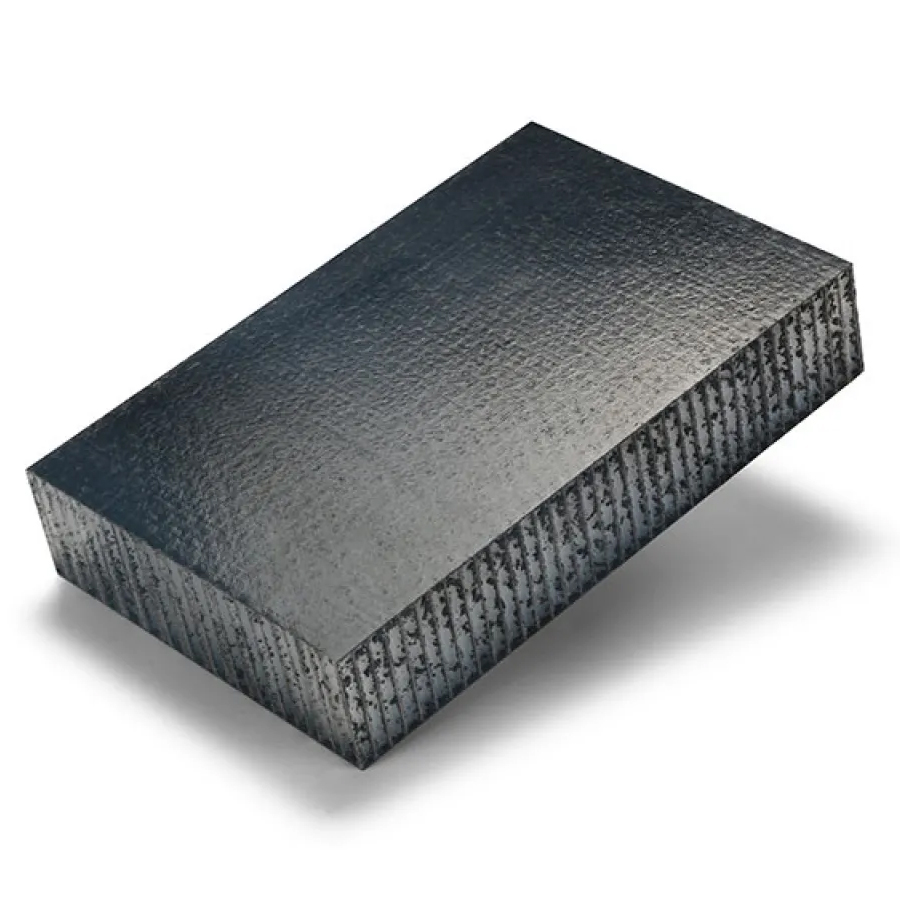
FRP Sandwich Panels for Refrigerated Trucks: Core Materials, Thermal Insulation and Structural Design
1. Introduction: The Role of FRP Sandwich Panels in Refrigerated Truck Manufacturing
Refrigerated trucks play an important role in transporting temperature-sensitive products, including food, beverages, pharmaceuticals and other goods that require controlled transportation conditions.
Unlike ordinary cargo vehicles, refrigerated truck bodies must maintain a relatively stable internal temperature while operating under changing external conditions.
This places higher demands on the materials used in truck body construction.
A refrigerated truck body needs more than a strong outer surface. Its wall, roof, floor and door panels must work together to provide thermal insulation, structural stability, moisture protection and long-term durability.
FRP sandwich panels are widely considered for these applications because they combine fiberglass-reinforced plastic surface skins with an insulating or structural core material.
A typical FRP refrigerated truck panel consists of:
- An external FRP skin
- A thermal insulation or structural core
- An internal FRP skin
- A suitable bonding system
- Sealed joints and reinforced edges
The selection of core materials is particularly important because different foam materials have different thermal conductivity, mechanical properties, water absorption characteristics and processing requirements.
This article examines how FRP sandwich panels are designed for refrigerated truck manufacturing and how manufacturers can select appropriate core materials.
2. Basic Structure of an FRP Refrigerated Truck Panel
A refrigerated truck panel is generally designed as a sandwich composite structure.
The two surface skins provide protection and contribute to structural performance, while the core provides insulation and maintains the separation between the skins.
2.1 Outer FRP Skin
The outer FRP skin forms the external surface of the truck body.
Its functions may include:
- Protection against rain and environmental exposure
- Resistance to corrosion
- Surface durability
- Contribution to panel stiffness
- Protection of the insulation core
Depending on the vehicle design, the outer surface may use different colors, textures, resin systems and surface finishes.
The selected FRP skin should be suitable for the intended service environment and compatible with the bonding system.
2.2 Insulation Core
The core is a major component of refrigerated truck panels.
Its thermal properties influence heat transfer through the wall, roof and floor structures.
Common materials considered for insulated composite panels include:
- PU Foam Core
- XPS Foam Core
- PET Foam Core
- PVC Foam Core
- Other engineered insulation materials
These materials should not be treated as interchangeable.
For refrigerated applications, thermal conductivity, moisture resistance, mechanical properties, dimensional stability and long-term service conditions all need to be evaluated.
2.3 Inner FRP Skin
The inner skin forms the interior surface of the refrigerated cargo compartment.
It should be suitable for the intended cleaning and operating environment.
Important considerations include:
- Smoothness and cleanability
- Moisture resistance
- Chemical compatibility with cleaning agents
- Surface durability
- Bonding integrity
The inner and outer skins should be designed as part of the complete sandwich panel rather than selected independently.
2.4 Bonding and Edge Sealing
The bonding interface connects the FRP skins to the core.
The panel edges, corners and joints also require appropriate sealing and reinforcement.
Even a panel with a low-conductivity core can experience significant heat transfer or moisture-related problems if its joints, edges and connections are poorly designed.
Therefore, bonding and sealing are essential elements of refrigerated truck panel manufacturing.
3. Comparison of Core Materials for Refrigerated Truck Panels
Different core materials offer different combinations of thermal insulation and structural performance.
3.1 PU Foam Core
Polyurethane foam is widely used in thermal insulation applications.
Its characteristics include:
- Low thermal conductivity in suitable formulations
- Lightweight cellular structure
- Potential for rigid panel construction
- Availability in different densities and formulations
- Suitability for various insulated sandwich panel systems
PU foam is frequently considered for refrigerated vehicle bodies because thermal insulation is a central requirement.
However, actual performance depends on foam formulation, density, thickness, manufacturing quality and the condition of the complete panel.
For manufacturers considering PU core materials, it is important to evaluate thermal conductivity and dimensional stability under the intended service conditions.
3.2 XPS Foam Core
Extruded polystyrene foam is a closed-cell foam material with insulation and moisture-resistance characteristics.
Potential advantages include:
- Closed-cell structure
- Low water absorption in suitable products
- Lightweight construction
- Good dimensional consistency when properly manufactured
- Easy cutting and processing
XPS can be considered for selected insulated composite panels.
However, manufacturers should verify its suitability for the expected operating temperature, mechanical loads, adhesive system and applicable fire requirements.
3.3 PET Foam Core
PET Foam Core is a thermoplastic structural foam used in composite sandwich panels.
Its potential advantages include:
- Lightweight construction
- Closed-cell structure
- Structural support for sandwich panels
- Availability in different densities and thicknesses
- Recyclability considerations depending on product formulation and processing
PET foam is often evaluated for structural composite panels.
For refrigerated truck applications, its thermal insulation performance should be compared with dedicated insulation materials rather than assumed to be equivalent to PU or XPS.
3.4 PVC Foam Core
PVC Foam Core is a rigid structural foam used in FRP and other composite sandwich structures.
Its characteristics include:
- Closed-cell structure
- Structural design flexibility
- Good compatibility with certain composite manufacturing processes
- Availability in different density grades
- Applications in marine and industrial composite panels
PVC foam may be suitable where structural performance is a major design requirement.
However, the thermal conductivity of the selected grade should be evaluated if insulation is a primary objective.
3.5 Core Material Comparison Table
| Core Material | Main Function | Thermal Consideration | Structural Consideration |
|---|---|---|---|
| PU Foam | Thermal insulation and lightweight construction | Commonly selected for insulation-focused panels | Density, adhesion and dimensional stability |
| XPS Foam | Insulation and moisture-resistant core construction | Evaluate thermal conductivity and temperature range | Compression, bonding and fire requirements |
| PET Foam | Structural composite core | Verify grade-specific thermal performance | Compression, shear and bonding |
| PVC Foam | Structural sandwich core | Verify grade-specific thermal performance | Density, shear strength and resin compatibility |
| PP Honeycomb | Lightweight cellular structure | Not generally a primary insulation choice without additional thermal design | Shear, compression and bonding interface |
For refrigerated truck manufacturing, material selection should begin with the required thermal performance and then consider the mechanical and manufacturing requirements.
4. Understanding Thermal Insulation in FRP Sandwich Panels
Thermal insulation is one of the most important performance factors in refrigerated truck body design.
However, selecting a low-thermal-conductivity core is only one part of the process.
The thermal performance of the complete panel depends on several factors.
4.1 Thermal Conductivity
Thermal conductivity, usually expressed in W/(m·K), indicates how readily heat passes through a material.
A lower thermal conductivity generally indicates better insulation under comparable test conditions.
When comparing core materials, manufacturers should check:
- Thermal conductivity value
- Test method
- Mean test temperature
- Specimen condition
- Material density
- Aging or conditioning requirements
Values measured under different conditions should not be compared without considering the test methods and conditions.
4.2 Core Thickness
Core thickness has a significant influence on the thermal resistance of a sandwich panel.
For a simplified homogeneous layer:
R = d / λ
Where:
- R = Thermal resistance (m²·K/W)
- d = Material thickness (m)
- λ = Thermal conductivity (W/(m·K))
For example, consider a hypothetical insulation core with a thermal conductivity of 0.025 W/(m·K) and a thickness of 50 mm.
R = 0.05 / 0.025 = 2.0 m²·K/W
This is only the calculated thermal resistance of the core layer. It is not the U-value or complete thermal performance of a finished refrigerated truck panel.
The complete structure also includes surface skins, joints, edge details, connections and thermal bridges.
4.3 Thermal Bridges
Thermal bridges are areas where heat can transfer more easily through the panel or vehicle body.
Common locations include:
- Panel joints
- Door frames
- Corner connections
- Metal reinforcement profiles
- Floor-to-wall connections
- Roof-to-wall connections
If these areas are not properly designed, they can reduce the effective insulation performance of the refrigerated truck body.
4.4 Air Leakage and Moisture
Air leakage can increase heat exchange and affect temperature stability.
Moisture entering the panel structure may also damage bonding interfaces or affect insulation performance.
Therefore, manufacturers should pay attention to:
- Joint sealing
- Door gasket systems
- Edge protection
- Water ingress prevention
- Vapor control where required
- Drainage and cleaning conditions
5. Panel Design for Different Refrigerated Truck Components
The wall, roof, floor and door panels of a refrigerated truck operate under different conditions.
Their material configurations may therefore be different.
5.1 Refrigerated Truck Side Wall Panels
Side walls need to balance insulation, stiffness and overall vehicle weight.
Important design factors include:
- Core thermal conductivity
- Core thickness
- FRP skin thickness
- Panel span
- Bonding integrity
- Joint sealing
A PU or XPS insulation core may be considered where thermal performance is a major priority.
Other structural cores may be evaluated for applications with different design requirements.
5.2 Refrigerated Truck Roof Panels
Roof panels are exposed to direct sunlight and changing outdoor temperatures.
Their design should consider:
- Thermal insulation
- Weather resistance
- Panel deflection
- Water sealing
- Structural connections
- Long-term dimensional stability
Roof joints and external surface conditions deserve particular attention because they can influence heat gain and water ingress.
5.3 Refrigerated Truck Floor Panels
Floor panels have more demanding mechanical requirements than many wall panels.
They may experience concentrated loads from cargo, pallets, wheels and handling equipment.
Important considerations include:
- Compression strength
- Flexural stiffness
- Point-load resistance
- Surface wear resistance
- Core shear performance
- Moisture resistance
The floor may require a different core density, skin configuration or reinforcement system from the side walls.
5.4 Refrigerated Truck Door Panels
Doors are frequently opened and closed and can create substantial thermal leakage if the sealing system is inadequate.
Their design should consider:
- Insulation continuity
- Door frame construction
- Hinge reinforcement
- Locking hardware
- Gasket performance
- Edge sealing
The insulation core and the door hardware must be considered together.
6. How to Select the Right Core Material
A practical selection process should start with the operating conditions of the refrigerated vehicle.
Step 1: Define the Temperature Requirements
Identify the intended cargo temperature range and external operating environment.
Different refrigerated transportation applications may require different insulation configurations.
Step 2: Determine the Required Thermal Performance
Establish the target thermal resistance or overall heat transfer coefficient for the complete vehicle body.
Do not use core thermal conductivity alone as the acceptance criterion.
Step 3: Define Mechanical Requirements
Determine the expected loading conditions for each panel component.
Side walls, roofs, floors and doors may need different structural configurations.
Step 4: Evaluate Bonding Compatibility
Confirm compatibility between the core, FRP skins, adhesive and manufacturing process.
For PP honeycomb or other materials with special surface characteristics, additional surface preparation may be necessary.
Step 5: Validate the Finished Panel
Before mass production, evaluate representative panels through appropriate tests.
The validation program may include:
- Thermal conductivity testing
- Compression testing
- Flexural testing
- Flatwise tensile testing
- Water absorption testing
- Bonding integrity evaluation
- Dimensional stability assessment
The actual test program should reflect the vehicle design and relevant customer or regulatory requirements.
7. Typical FRP Refrigerated Truck Panel Specification Table
The following table can be used as a reference when preparing an RFQ for refrigerated truck sandwich panels.
| Parameter | Specification Requirement |
|---|---|
| Product | FRP Insulated Sandwich Panel |
| Application | Refrigerated Truck / Refrigerated Trailer |
| Outer Skin | Fiberglass Reinforced Plastic |
| Inner Skin | Fiberglass Reinforced Plastic |
| Core Material | PU / XPS / PET / PVC or specified material |
| Core Density | To be confirmed according to the selected grade |
| Core Thickness | Based on thermal and structural requirements |
| Overall Panel Thickness | Customized |
| Panel Length | Customized |
| Panel Width | Customized |
| FRP Skin Thickness | According to design requirements |
| Thermal Conductivity | Supplier test data required |
| Water Absorption | According to the selected material and test method |
| Compression Strength | According to design requirements |
| Flexural Performance | According to finished panel requirements |
| Bonding System | Compatible adhesive or resin system |
| Surface Finish | Smooth, textured or customized |
| Edge Treatment | Sealed or reinforced as required |
| Special Requirements | Fire performance, cleaning resistance and temperature conditions |
Actual values should be confirmed against the selected product grade, test reports and finished panel design.
8. Manufacturing Quality Control for Refrigerated Truck Sandwich Panels
Consistent manufacturing quality is essential for refrigerated truck panel producers.
A panel that performs well in a laboratory sample may not provide the same results if mass production conditions are inconsistent.
Important quality control stages include:
Raw Material Inspection
Check the incoming FRP skins and core materials for thickness, density, flatness, surface condition and dimensional accuracy.
Adhesive and Resin Control
Verify adhesive or resin compatibility, storage conditions, application quantity and curing requirements.
Lamination and Pressing
Maintain suitable pressure, temperature and curing time according to the selected bonding system.
Edge and Joint Inspection
Inspect edge sealing, joint geometry and local reinforcement.
These areas are important for controlling moisture ingress and thermal bridging.
Finished Panel Testing
Depending on the project, finished panels may require:
- Thickness and dimensional inspection
- Flatness inspection
- Bonding evaluation
- Mechanical testing
- Thermal performance evaluation
- Water resistance testing
Manufacturers should establish acceptance criteria before production rather than relying only on visual inspection.
9. How to Choose a Reliable Core Material Supplier
For refrigerated truck panel manufacturers, the core material supplier plays an important role in product development and production consistency.
Before placing a bulk order, buyers should evaluate the following factors.
Material Selection
Can the supplier provide different core material options, such as PU, XPS, PET and PVC foam?
Specification Customization
Can the supplier discuss the required density, thickness, dimensions and material configuration?
Technical Documentation
Can the supplier provide relevant product specifications and available test data?
Quality Consistency
Are there inspection procedures for incoming materials and production batches?
Sample Evaluation
Can samples be supplied for bonding trials and finished panel testing?
Manufacturing Support
Can the supplier communicate with the buyer’s engineering and production teams about material compatibility and processing requirements?
Choosing a supplier based on technical suitability and consistency can help reduce material selection risks during panel development.
10. ONEBOND Composite Core Materials for Insulated Sandwich Panel Applications
ONEBOND supplies composite core materials for industrial sandwich panel manufacturers.
Our product range includes:
- XPS Foam Core
- PVC Foam Core
- PET Foam Core
- PU Foam Core
- PP Honeycomb Core
- Other customized composite core material solutions
These materials can be evaluated for FRP sandwich panels, insulated composite boards, vehicle body panels, marine structures and other industrial applications.
For refrigerated truck panel manufacturers, core material selection should be based on the required insulation performance, mechanical properties, bonding system and manufacturing process.
ONEBOND focuses on understanding the buyer’s application and material requirements before recommending a suitable core material configuration.
If you are developing FRP insulated panels for refrigerated trucks or trailers, contact ONEBOND to discuss your target specifications and project requirements.
11. Frequently Asked Questions
Q1. What is an FRP refrigerated truck panel?
An FRP refrigerated truck panel is an insulated sandwich panel that uses fiberglass-reinforced plastic skins combined with a suitable insulation core. It is designed for refrigerated vehicle walls, roofs, floors or doors.
Q2. Which core material is commonly used for refrigerated truck panels?
PU foam is widely considered for insulation-focused refrigerated panels. XPS may also be evaluated, while PET and PVC foam are more commonly assessed according to their structural and thermal performance requirements.
Q3. Is XPS foam suitable for FRP refrigerated truck panels?
XPS can be considered for selected FRP insulated panel applications. Its thermal conductivity, compression performance, temperature suitability, bonding compatibility and fire requirements should be verified.
Q4. Can PET foam be used as an insulation core?
PET foam can be used in composite sandwich structures, but its insulation performance should be evaluated using grade-specific thermal conductivity data. It should not automatically be treated as equivalent to dedicated insulation foam.
Q5. What is the function of FRP skins in refrigerated truck panels?
FRP skins provide the panel’s external and internal surfaces, contribute to structural performance and protect the core from environmental exposure when the panel is properly designed and sealed.
Q6. Why is panel thickness important for refrigerated truck bodies?
Core thickness affects thermal resistance and can also influence structural stiffness. The final thickness should be determined according to insulation targets, loading conditions, vehicle dimensions and manufacturing requirements.
Q7. How can thermal bridges be reduced in refrigerated truck panels?
Thermal bridges can be controlled through suitable joint design, edge insulation, frame connections, reinforcement details and careful material selection.
Q8. What tests are important for FRP insulated sandwich panels?
Depending on the application, relevant tests may include thermal conductivity, compression, flexural performance, flatwise tensile strength, water absorption, dimensional stability and bonding evaluation.
Q9. Can ONEBOND provide customized foam core materials?
ONEBOND can discuss customized XPS, PVC, PET and other foam core material requirements according to target density, thickness, dimensions and application, subject to production feasibility confirmation.
Q10. What information should buyers provide when requesting a quotation?
Buyers should provide the intended vehicle application, core material, target density, thickness, dimensions, FRP skin requirements, estimated quantity and thermal and mechanical performance requirements.
