
Introduction
The rapid growth of prefabricated construction has increased the demand for lightweight, durable, and energy-efficient core materials. Among the various insulation and structural core solutions available today, XPS Foam Core (Extruded Polystyrene Foam Core) has emerged as a preferred choice for manufacturers of prefabricated buildings, modular housing systems, insulated wall panels, and composite sandwich structures.
For developers, contractors, and panel manufacturers, bulk procurement of XPS Foam Core is not simply about obtaining lower material costs. It also involves evaluating product quality, supplier capabilities, certification compliance, production capacity, and logistics efficiency. This guide provides a comprehensive overview of the key considerations when purchasing XPS Foam Core in bulk for prefabricated construction projects.
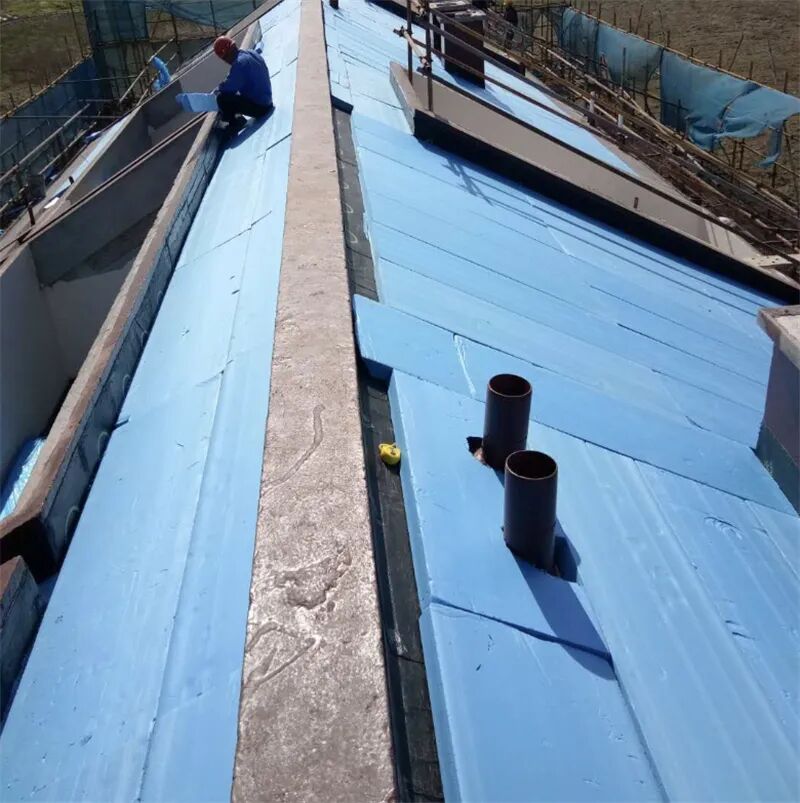
Why XPS Foam Core Is Popular in Prefabricated Construction
Prefabricated buildings require materials that offer a balance between structural performance and energy efficiency. XPS Foam Core meets these requirements through its closed-cell structure, which provides excellent insulation properties while maintaining lightweight characteristics.
Key Benefits
- High thermal insulation performance
- Excellent compressive strength
- Low water absorption
- Lightweight construction
- Dimensional stability
- Long service life
- Easy processing and fabrication
These advantages make XPS Foam Core ideal for modern modular and off-site construction systems.
Common Applications in Prefabricated Buildings
Wall Sandwich Panels
XPS Foam Core is commonly laminated between:
- Steel sheets
- Aluminum sheets
- FRP (Fiberglass Reinforced Plastic)
- Cement boards
- Decorative facade panels
The resulting sandwich panels provide both thermal insulation and structural support.
Roof Insulation Systems
Prefabricated roofing systems utilize XPS Foam Core to reduce heat transfer while maintaining panel rigidity.
Modular Housing Units
Modular buildings often require lightweight materials to reduce transportation costs and simplify installation. XPS Foam Core helps achieve these objectives while improving energy efficiency.
Cold Storage and Industrial Buildings
Many prefabricated warehouses and refrigerated facilities rely on XPS-based insulated panels to minimize energy consumption.
Key Technical Parameters to Evaluate
Before placing a bulk order, buyers should verify the technical specifications of the material.
Typical XPS Foam Core Specifications
| Property | Typical Range |
|---|---|
| Density | 28–45 kg/m³ |
| Thickness | 10–120 mm |
| Width | 600–1200 mm |
| Length | Customized |
| Compressive Strength | 250–700 kPa |
| Thermal Conductivity | 0.028–0.034 W/m·K |
| Water Absorption | ≤1.0% |
| Operating Temperature | -50°C to +75°C |
| Fire Rating | B1/B2 Grade |
The exact specifications should be selected according to project requirements and panel design.
Selecting the Right Density
Density directly affects both insulation performance and mechanical strength.
Low Density (28–32 kg/m³)
Suitable for:
- Residential modular housing
- Interior insulated panels
- Lightweight applications
Medium Density (33–38 kg/m³)
Suitable for:
- Commercial building panels
- Standard wall systems
- Roof insulation applications
High Density (40–45 kg/m³)
Suitable for:
- Heavy-duty sandwich panels
- Industrial buildings
- High-load roof systems
- Transportation and mobile structures
Choosing the appropriate density ensures optimal performance and cost efficiency.
Evaluating Supplier Manufacturing Capability
When sourcing XPS Foam Core in bulk, supplier production capacity is one of the most important factors.
Key Factory Assessment Areas
Production Equipment
A professional XPS Foam Core factory should have:
- Advanced extrusion production lines
- Automated foaming systems
- Precision thickness control equipment
- CNC cutting systems
Annual Production Capacity
Consider suppliers capable of handling large-scale orders without delivery delays.
Typical capacities include:
| Factory Scale | Annual Output |
|---|---|
| Small Factory | 20,000–50,000 m³ |
| Medium Factory | 50,000–100,000 m³ |
| Large Factory | 100,000+ m³ |
Quality Control System
Reliable manufacturers typically conduct:
- Density testing
- Compression testing
- Thermal conductivity testing
- Dimensional inspection
- Water absorption testing
Consistent quality is critical for prefabricated construction projects where material variation can affect panel performance.
Certification Requirements
For international construction projects, certification compliance is essential.
Recommended Certifications
| Certification | Description |
|---|---|
| ISO 9001 | Quality Management System |
| ISO 14001 | Environmental Management |
| CE Certification | European Compliance |
| EN 13164 | XPS Thermal Insulation Standard |
| ASTM Testing | Performance Verification |
| SGS Testing Reports | Independent Inspection |
| LEED Compatibility | Sustainable Building Projects |
Certified products provide greater confidence for architects, engineers, and project owners.
Logistics Considerations for Bulk Orders
Large construction projects often require significant quantities of XPS Foam Core.
Packaging Options
Common packaging methods include:
- Plastic film wrapping
- Palletized packaging
- Protective corner reinforcement
- Export-grade packaging
Container Loading Efficiency
Typical loading quantities:
| Thickness | Approximate Quantity per 40HQ |
|---|---|
| 20 mm | 700–900 m³ |
| 30 mm | 500–700 m³ |
| 50 mm | 300–500 m³ |
| 100 mm | 150–250 m³ |
Efficient packaging helps reduce shipping costs and minimize product damage during transportation.
Cost Factors in Bulk Procurement
Several factors influence the final procurement cost.
Material Specifications
- Density
- Thickness
- Fire-retardant grade
- Surface treatment
Order Quantity
Larger volumes generally result in lower unit costs through economies of scale.
Transportation Costs
Shipping expenses vary depending on:
- Destination country
- Container utilization
- Freight market conditions
Customization Requirements
Special dimensions, colors, or fire-resistant formulations may increase production costs.
Sustainability and Green Building Benefits
As environmental regulations become more stringent, developers increasingly seek materials that support sustainable construction.
XPS Foam Core contributes to:
- Reduced building energy consumption
- Improved thermal efficiency
- Lower carbon emissions
- Longer building lifespan
- Reduced maintenance requirements
These benefits align with modern green building standards and energy-efficiency goals.
Procurement Checklist
Before confirming a supplier, verify the following:
✓ Product density and strength specifications
✓ Thermal conductivity test reports
✓ Fire performance certification
✓ ISO-certified manufacturing system
✓ Production capacity and lead time
✓ Export experience
✓ Packaging and logistics capability
✓ Technical support services
✓ Sample evaluation results
✓ Long-term supply stability
Conclusion
Bulk procurement of XPS Foam Core for prefabricated construction projects requires careful evaluation of product performance, supplier qualifications, manufacturing capabilities, certifications, and logistics support. By selecting a reliable XPS Foam Core manufacturer with advanced production technology and strict quality control systems, contractors and building material companies can ensure consistent product quality, lower project costs, and improved energy efficiency.
As the global prefabricated construction market continues to expand, XPS Foam Core will remain one of the most important insulation and structural core materials for creating sustainable, lightweight, and high-performance building systems.
