
In today’s construction industry, material performance, energy efficiency, durability, and compliance with international standards are more important than ever. Whether used in insulated wall panels, roofing systems, prefabricated buildings, cold storage facilities, or composite sandwich structures, XPS (Extruded Polystyrene) Foam Core materials have become a preferred solution due to their excellent thermal insulation, lightweight properties, moisture resistance, and structural performance.
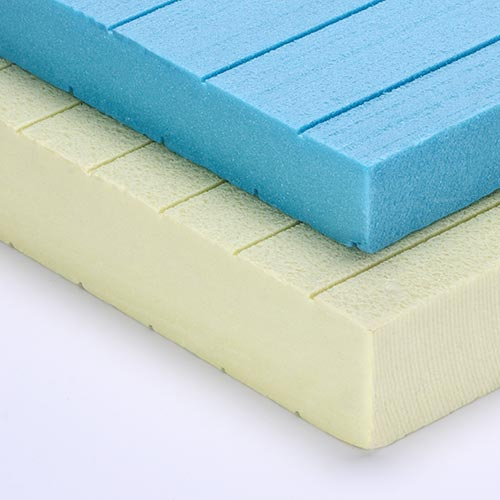
However, the performance of an XPS foam core panel depends not only on the material itself but also on the capabilities of the supplier behind it. Choosing the right XPS foam core supplier can significantly impact product quality, project success, and long-term reliability.
This article explores the key quality standards, certification requirements, and supplier capabilities buyers should evaluate when selecting an XPS foam core manufacturer for construction applications.
Why Supplier Selection Matters
Many buyers focus primarily on price when sourcing XPS foam core materials. While competitive pricing is important, selecting a supplier based solely on cost can lead to significant risks, including:
- Inconsistent product quality
- Poor dimensional stability
- Insufficient compressive strength
- Low thermal insulation performance
- Delayed deliveries
- Certification issues
- Lack of technical support
A professional supplier provides much more than foam boards. They offer manufacturing expertise, quality assurance systems, customized solutions, and long-term partnership value.
For construction projects where safety, energy efficiency, and durability are critical, supplier qualification should be a top priority.
Understanding XPS Foam Core Quality Standards
High-quality XPS foam cores must meet stringent performance requirements to ensure reliable performance in demanding construction environments.
1. Density Consistency
Density directly affects the mechanical properties and insulation performance of XPS foam.
A reliable manufacturer maintains strict control over:
- Raw material formulation
- Extrusion temperature
- Foaming process
- Cell structure uniformity
Typical construction-grade XPS foam density ranges from:
| Density | Application |
|---|---|
| 30-35 kg/m³ | General insulation |
| 35-45 kg/m³ | Composite panels |
| 45-60 kg/m³ | High-load construction applications |
Consistent density ensures uniform performance across every panel delivered to the project site.
2. Compressive Strength
Construction materials must withstand static and dynamic loads over many years.
Quality XPS foam cores typically provide:
| Grade | Compressive Strength |
|---|---|
| Standard | 200-300 kPa |
| High Strength | 500-700 kPa |
| Heavy Duty | 700-1000+ kPa |
Professional suppliers perform routine compression testing to verify compliance with customer specifications.
3. Thermal Conductivity
One of the primary reasons builders choose XPS foam is its exceptional thermal insulation performance.
Typical thermal conductivity values:
0.028-0.034 W/m·K
Lower thermal conductivity means:
- Better energy efficiency
- Reduced heating and cooling costs
- Improved building sustainability
- Compliance with green building regulations
Leading manufacturers continuously optimize foam cell structure to achieve superior insulation performance.
4. Water Absorption Resistance
Construction materials are often exposed to moisture, humidity, and harsh weather conditions.
A premium XPS foam core should feature:
- Closed-cell structure above 95%
- Water absorption below 1%
- Long-term insulation stability
Manufacturers with advanced extrusion technology can produce highly uniform closed-cell structures that maintain performance even in wet environments.
Essential Certifications Buyers Should Verify
Certification demonstrates that a supplier’s products have been independently tested and meet recognized international standards.
Before selecting an XPS foam supplier, buyers should verify the availability of the following certifications.
ISO 9001 Quality Management System
ISO 9001 certification indicates that the manufacturer operates under a structured quality management system.
Benefits include:
- Standardized production procedures
- Documented quality control processes
- Continuous improvement programs
- Consistent product performance
For international buyers, ISO certification is often considered a minimum requirement.
CE Certification
For European construction projects, CE marking is often mandatory.
CE certification verifies compliance with European standards related to:
- Safety
- Performance
- Environmental requirements
A supplier with CE-certified products can help streamline project approvals and reduce compliance risks.
Fire Performance Certifications
Fire safety is a major concern in modern construction.
Depending on project requirements, suppliers should provide:
- EN 13501 Fire Classification
- ASTM E84 Testing
- B1 Flame Retardant Certification
- Other local fire safety approvals
Professional manufacturers can offer customized flame-retardant formulations for specific applications.
Environmental and Sustainability Certifications
Green building standards continue to gain importance worldwide.
Leading suppliers often support projects pursuing certifications such as:
- LEED
- BREEAM
- Green Building Standards
- Environmental Product Declarations (EPD)
Environmentally responsible production demonstrates a supplier’s commitment to sustainable development.
Evaluating Manufacturing Capabilities
Beyond certifications, buyers should carefully assess the supplier’s manufacturing strength.
Advanced Production Equipment
Modern XPS foam production requires sophisticated extrusion technology.
Top-tier manufacturers invest heavily in:
- Automated extrusion lines
- Precision foaming systems
- Digital process monitoring
- Automated cutting systems
- Quality inspection equipment
Advanced equipment delivers:
- Better dimensional accuracy
- More consistent density
- Higher production efficiency
- Improved product reliability
Factory modernization is often a strong indicator of supplier competitiveness.
Production Capacity
Large construction projects require stable supply chains.
Before placing orders, buyers should evaluate:
- Monthly production capacity
- Number of production lines
- Inventory management systems
- Lead times
- Emergency production capabilities
A supplier with strong production capacity can support both small custom orders and large-volume projects without compromising quality.
Research and Development Strength
Innovation is increasingly important in the construction materials industry.
An experienced XPS foam manufacturer should have:
- Dedicated R&D engineers
- Material development laboratories
- Product testing facilities
- Continuous process improvement programs
Strong R&D capabilities allow suppliers to develop:
- Higher-strength foam cores
- Improved fire-resistant grades
- Enhanced insulation performance
- Customized composite solutions
For buyers seeking specialized products, technical expertise is often more valuable than price alone.
Importance of Quality Control Systems
Reliable suppliers implement quality control at every production stage.
Raw Material Inspection
Quality begins with carefully selected raw materials.
Professional manufacturers verify:
- Resin quality
- Additive consistency
- Foaming agent performance
- Supplier traceability
Strict incoming inspection reduces production variability.
In-Process Monitoring
During production, key parameters are continuously monitored:
- Density
- Thickness
- Width
- Surface quality
- Cell structure
- Mechanical properties
Real-time monitoring helps identify and correct deviations before products reach customers.
Finished Product Testing
Comprehensive testing typically includes:
- Density measurement
- Compressive strength testing
- Thermal conductivity testing
- Water absorption testing
- Dimensional stability testing
- Fire performance evaluation
Suppliers should be able to provide detailed test reports upon request.
Customization Capabilities Create Competitive Advantages
Every construction project has unique requirements.
Experienced manufacturers can provide customized solutions including:
Custom Dimensions
- Thickness from 5mm to 120mm+
- Customized widths
- Tailored panel lengths
Customized Density
Different applications require different mechanical properties.
Suppliers should offer multiple density grades for:
- Insulation panels
- Sandwich structures
- Roof systems
- Structural composites
Surface Treatments
Available options may include:
- Grooved surfaces
- Roughened surfaces
- Film lamination
- Composite-ready finishes
Customization reduces processing time and improves project efficiency.
Global Export Experience Matters
International buyers often face challenges involving logistics, compliance, and communication.
A supplier with extensive export experience can provide:
- Professional export documentation
- Efficient container loading plans
- International quality compliance
- Multilingual sales support
- Technical consultation
Experienced exporters understand the requirements of markets across North America, Europe, the Middle East, Southeast Asia, and Australia.
This expertise reduces sourcing risks and improves project execution.
Building Long-Term Partnerships
The best suppliers focus on long-term cooperation rather than one-time transactions.
A strategic XPS foam core partner offers:
- Technical assistance
- Material selection recommendations
- Product optimization support
- Stable pricing policies
- Continuous quality improvement
Long-term partnerships often lead to lower procurement costs, faster problem resolution, and stronger supply chain stability.
Conclusion
Choosing the right XPS foam core supplier is about much more than finding the lowest price. Construction projects demand materials that deliver reliable thermal performance, structural strength, moisture resistance, and compliance with international standards.
When evaluating potential suppliers, buyers should carefully examine:
- Product quality consistency
- International certifications
- Manufacturing capacity
- Research and development capabilities
- Quality control systems
- Customization services
- Export experience
- Technical support capabilities
A supplier that combines advanced production technology, strict quality management, comprehensive certifications, and strong customer service can become a valuable long-term partner for construction material procurement.
In a competitive global construction market, working with a qualified and experienced XPS foam core manufacturer not only ensures product performance but also provides the confidence, reliability, and technical support necessary for successful projects. The right supplier helps transform high-quality materials into lasting construction solutions, delivering value far beyond the initial purchase price.
