
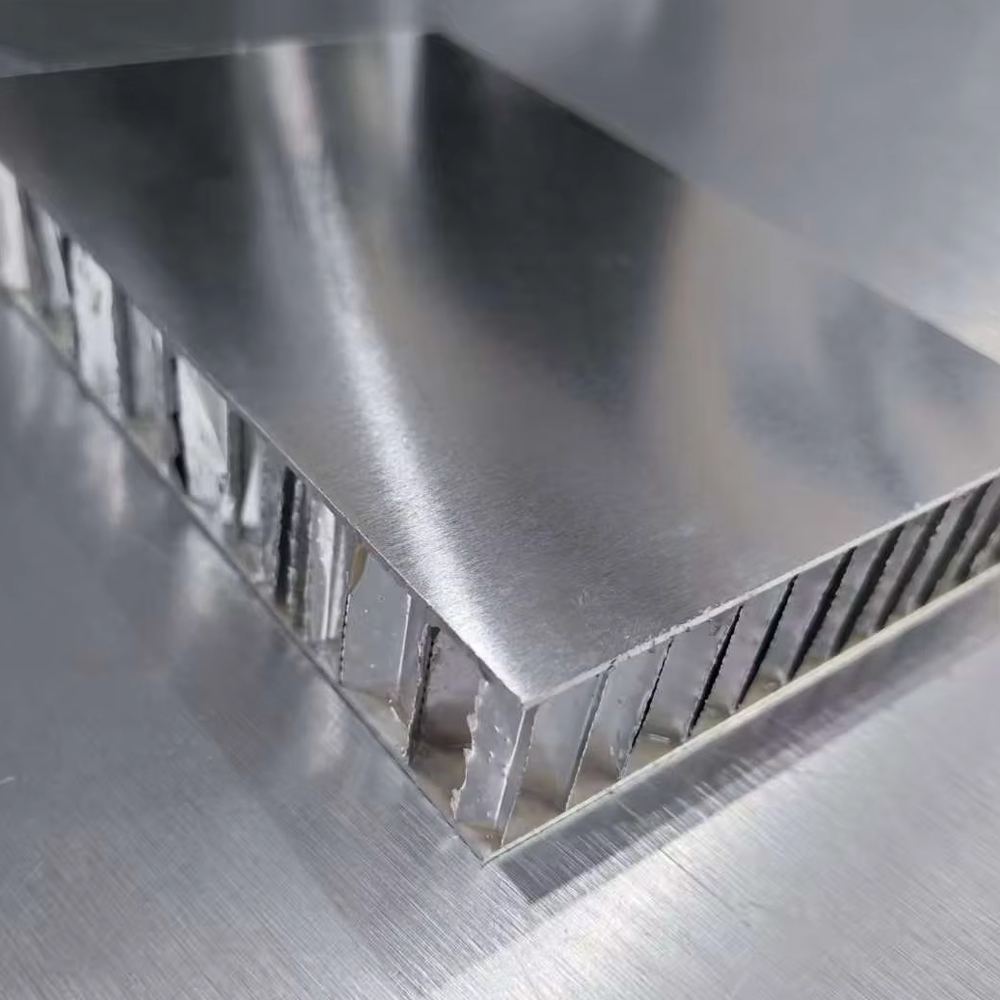
In many industrial projects, standard composite panels cannot fully meet specific application requirements.
Global buyers often face challenges such as:
- Special panel dimensions
- Unique structural requirements
- Weight limitations
- Extreme operating environments
- Special surface requirements
- Integration with existing systems
For these projects, a customized solution is often more effective than selecting an off-the-shelf product.
A professional Custom Fiberglass Honeycomb Panel manufacturer does more than produce panels according to drawings. The manufacturer works with customers to analyze requirements, optimize material structures, and develop solutions that improve performance and reduce overall project costs.
Today, customized Fiberglass Honeycomb Panels are widely used in:
- Marine manufacturing
- Yacht and boat construction
- RV and transportation industries
- Industrial equipment
- Architectural applications
- Special engineering projects
This article explains how professional manufacturers help buyers solve complex project requirements through customized composite panel solutions.
1. Why Standard Fiberglass Honeycomb Panels May Not Meet Project Requirements
Standard products are designed for general applications.
However, engineering projects often involve unique conditions.
Common challenges include:
Special Dimensions
Many projects require:
- Oversized panels
- Irregular shapes
- Specific cutting dimensions
Standard panel sizes may create:
- Material waste
- Additional processing
- Higher installation costs
A customized panel can be designed according to the actual project structure.
Specific Performance Requirements
Different industries require different performance characteristics.
Examples:
Marine applications may require:
- Moisture resistance
- Corrosion resistance
- Lightweight construction
Transportation applications may require:
- Weight reduction
- Impact resistance
- Vibration resistance
Industrial applications may require:
- Chemical resistance
- Higher mechanical strength
A customized design ensures the panel matches the actual operating environment.
Integration Requirements
Some projects require panels to work with:
- Frames
- Supporting structures
- Mounting systems
- Existing components
Manufacturers with engineering capabilities can optimize the panel design for easier installation.
2. The Custom Fiberglass Honeycomb Panel Development Process
A professional manufacturer usually follows a systematic development process.
Step 1: Analyze Customer Requirements
The first stage is understanding the application.
Manufacturers should collect information including:
Application Environment
Examples:
- Indoor or outdoor use
- Marine exposure
- Temperature conditions
- Chemical environment
Mechanical Requirements
Including:
- Load requirements
- Impact resistance
- Stiffness requirements
Weight Requirements
Especially important for:
- Vehicles
- Marine structures
- Mobile equipment
Appearance Requirements
Including:
- Surface finish
- Color
- Texture
A complete understanding of requirements is the foundation for successful customization.
Step 2: Recommend the Appropriate Panel Structure
After understanding the project requirements, engineers select suitable materials.
Important design factors include:
Fiberglass Skin Selection
The fiberglass layer can be customized according to:
- Strength requirements
- Surface performance
- Environmental conditions
Honeycomb Core Selection
Different core structures affect:
- Weight
- Stiffness
- Compression performance
Engineers can optimize:
- Core material
- Core density
- Core thickness
Panel Thickness Design
Thickness selection should balance:
- Structural performance
- Weight
- Cost
A professional manufacturer avoids unnecessary material usage while ensuring performance.
Step 3: Prototype and Sample Production
Before mass production, prototype testing is highly recommended.
Sample production helps customers verify:
- Product appearance
- Dimensions
- Processing performance
- Installation compatibility
For complex projects, prototype testing can identify potential problems before large-scale production.
This reduces:
- Production risks
- Modification costs
- Project delays
Step 4: Mass Production and Quality Control
After sample approval, manufacturers begin production.
A reliable production process includes:
Raw Material Inspection
Checking:
- Fiberglass quality
- Core specifications
- Resin performance
Production Monitoring
Controlling:
- Lamination process
- Bonding quality
- Panel forming
Final Inspection
Before delivery, products should be checked for:
- Dimensions
- Surface quality
- Structural consistency
This ensures every batch meets customer requirements.
3. Common Customization Options for Fiberglass Honeycomb Panels
Professional manufacturers can provide various customization services.
1. Customized Panel Thickness
Different applications require different thickness options.
Examples:
- Lightweight interior panels
- Structural panels
- Heavy-duty composite structures
2. Customized Panel Dimensions
Manufacturers can provide:
- Large-format panels
- Special sizes
- Project-specific cutting
This helps reduce material waste and installation time.
3. Customized Core Structure
Core customization allows optimization of:
- Weight
- Strength
- Cost
Options may include:
- Different densities
- Different thicknesses
- Reinforced areas
4. Surface Customization
Surface options may include:
- Smooth fiberglass surface
- Decorative finish
- Special coatings
The surface can be designed according to final application requirements.
5. CNC Processing and Pre-Fabrication
For complex projects, manufacturers may provide:
- CNC cutting
- Drilling
- Shape processing
This allows panels to arrive ready for installation.
4. Benefits of Working with a Custom Fiberglass Honeycomb Panel Manufacturer
Choosing a manufacturer with customization capability provides several advantages.
Better Project Performance
A customized panel is designed specifically for:
- Application conditions
- Structural requirements
- Installation environment
This improves overall performance.
Reduced Material Waste
Customized dimensions help reduce:
- Cutting waste
- Additional processing
- Unnecessary material costs
Faster Installation
Pre-processed panels can:
- Reduce labor requirements
- Improve installation efficiency
- Shorten project timelines
Better Cost Control
Although customization may appear more expensive initially, it can reduce total project costs by improving:
- Material utilization
- Production efficiency
- Long-term reliability
5. Choosing the Right Custom Fiberglass Honeycomb Panel Manufacturer
Not every supplier has the ability to provide true customization.
Professional buyers should evaluate:
Engineering Capability
A capable manufacturer should provide:
- Technical recommendations
- Structural optimization
- Material selection support
Manufacturing Capability
Important factors include:
- Production equipment
- Skilled technicians
- Quality control systems
Project Experience
Experience with similar industries is valuable.
Ask suppliers about previous applications in:
- Marine
- Transportation
- Industrial projects
Communication Ability
Successful customization requires:
- Clear technical communication
- Fast response
- Professional documentation
Why Choose Foshan Onebond Building Materials Co., Ltd.
Foshan Onebond Building Materials Co., Ltd. specializes in customized composite material solutions for global customers.
We understand that every project has unique requirements, and standard products are not always the best solution.
Onebond provides professional Custom Fiberglass Honeycomb Panel solutions through:
Engineering-Based Product Development
We help customers optimize:
- Material selection
- Panel structure
- Performance requirements
Flexible Custom Manufacturing
We support:
✔ Customized dimensions
✔ Customized thickness
✔ Special core structures
✔ OEM production
✔ Project-specific solutions
Professional Production Management
Our manufacturing process focuses on:
- Stable quality
- Reliable performance
- Consistent production
Global Project Support
Onebond works with international customers by providing:
- Technical consultation
- Product recommendations
- Export service support
Frequently Asked Questions
Q1: Can Fiberglass Honeycomb Panels be manufactured according to customer drawings?
Yes. Professional manufacturers can produce customized panels according to customer drawings, specifications, and application requirements.
Q2: What information is needed for a custom Fiberglass Honeycomb Panel quotation?
Customers should provide:
- Application
- Panel dimensions
- Thickness requirements
- Quantity
- Performance requirements
- Surface requirements
Q3: Are customized Fiberglass Honeycomb Panels more expensive?
Customization may increase initial development costs, but it often reduces total project costs by improving material efficiency and application performance.
