
Executive Summary
Extruded Polystyrene (XPS) foam insulation is a critical component in high-performance building envelopes, particularly where thermal stability, moisture resistance, and mechanical strength are required over long service life.
ONEBOND™ XPS Insulation Systems are engineered to deliver consistent thermal resistance, structural reliability, and environmental durability across wall, roof, foundation, and high-load applications.
This white paper presents the technical fundamentals, performance benchmarks, and application logic behind ONEBOND™ XPS solutions.
1. Introduction to XPS Technology
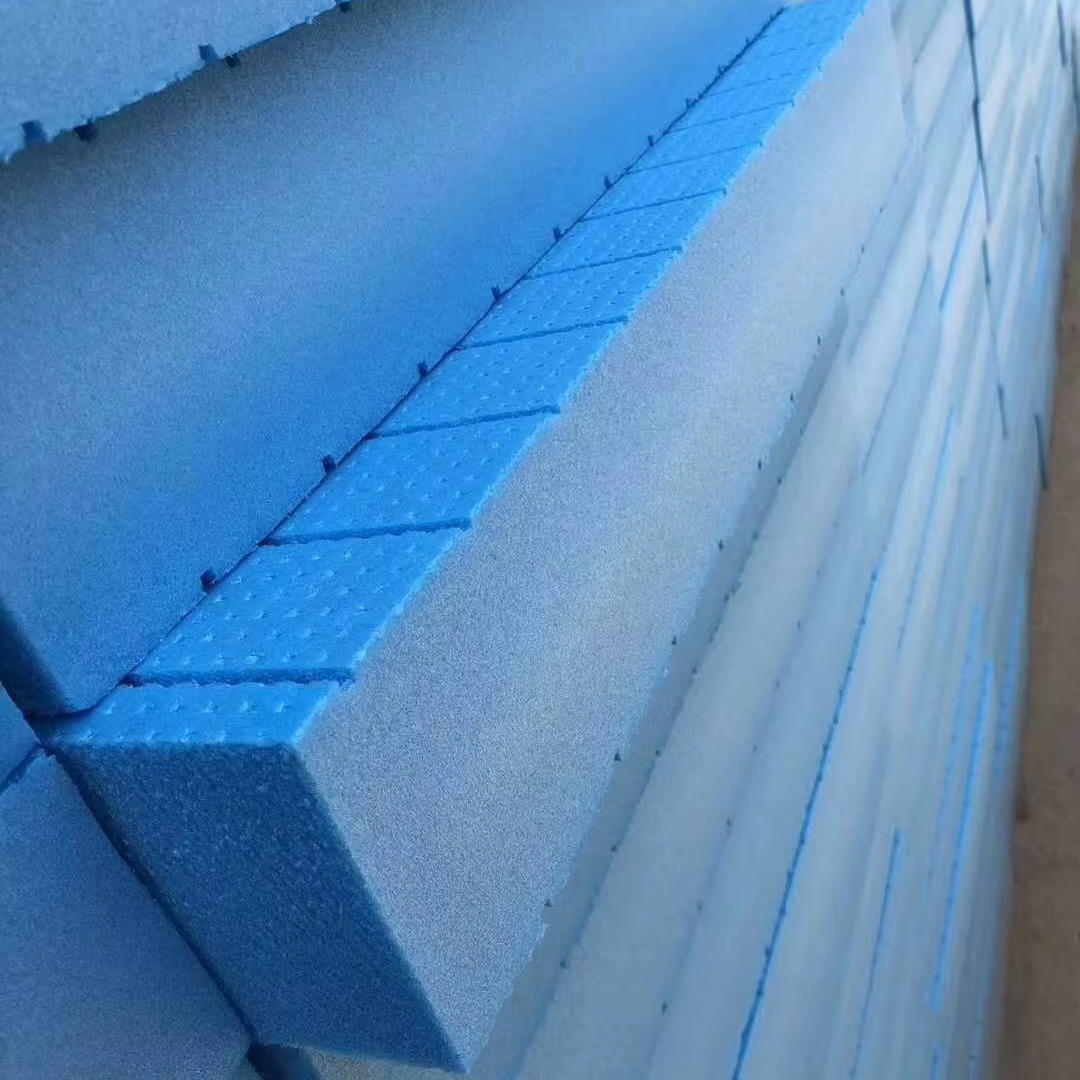
XPS insulation is produced through a continuous extrusion process, creating a uniform closed-cell foam structure.
This structure differentiates XPS from open-cell or bead-based insulation materials and is the foundation of its long-term performance.
Key Structural Advantages
- Closed-cell morphology limits moisture penetration
- Uniform density improves compressive strength consistency
- Reduced thermal aging compared to gas-filled foams
- Dimensional stability under temperature and humidity cycling
ONEBOND™ XPS boards are designed to maintain performance throughout the building’s lifecycle, including exposure to freeze-thaw conditions, ground moisture, and sustained mechanical load.
2. Thermal Performance and Long-Term Stability
Thermal resistance is evaluated using aged R-value testing in accordance with recognized international standards (e.g. ASTM C518).
Typical Performance Metrics
- Standard thermal resistance: R-5.0 per inch
- High-efficiency grades: up to R-5.6 per inch
- Stable performance under humid and below-grade conditions
Unlike insulation materials that rely on trapped blowing agents, ONEBOND™ XPS minimizes performance drift by combining closed-cell structure and controlled diffusion characteristics.
3. Mechanical Strength and Load Resistance
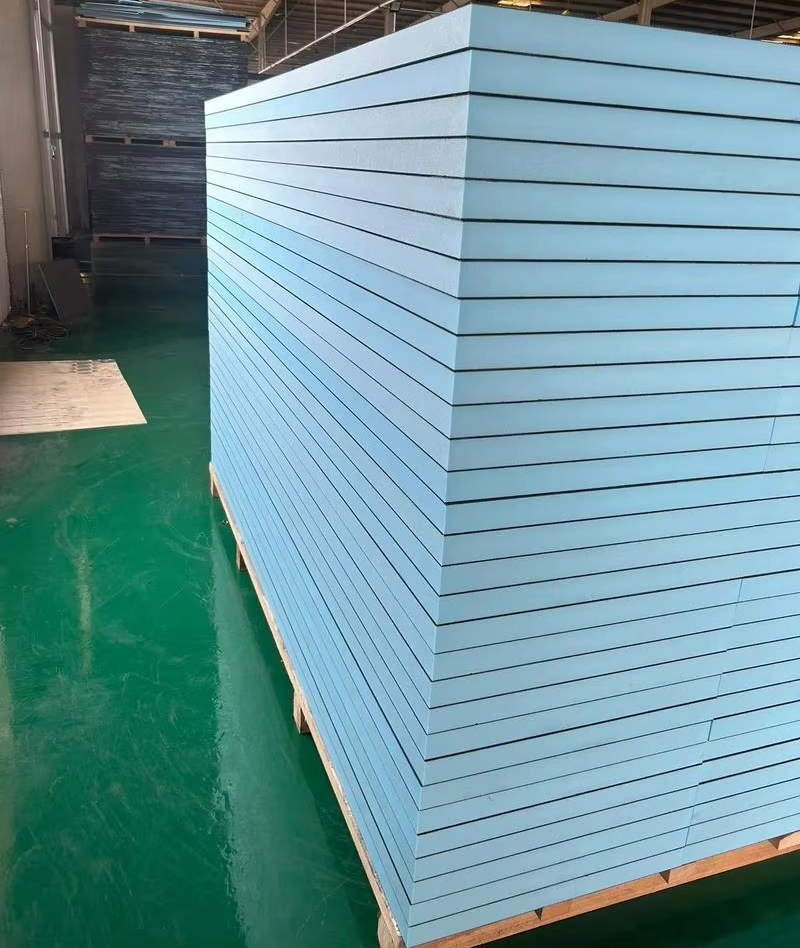
ONEBOND™ XPS insulation is available in multiple compressive strength grades, allowing precise matching between insulation performance and structural demand.
ASTM-Based Strength Classification
| Strength Class | Min. Compressive Strength | Typical Applications |
|---|---|---|
| Standard | ≥15 psi | Wall cavities, sheathing |
| Medium | ≥25 psi | Roof decks, CI systems |
| High | ≥40 psi | Protected membrane roofs |
| Heavy-Duty | ≥60 psi | Plaza decks, terraces |
| Ultra-High | ≥100 psi | Industrial floors, traffic zones |
This graded approach avoids unnecessary over-engineering while ensuring structural safety and durability.
4. Moisture Control and Environmental Resistance
Moisture intrusion is a leading cause of insulation failure.
ONEBOND™ XPS is engineered for low water absorption and controlled vapor permeability.
Moisture Performance Highlights
- Water absorption ≤0.3% by volume
- Low vapor permeance for condensation control
- Resistance to freeze-thaw degradation
- Suitable for permanent below-grade installation
These properties enable XPS to function as both thermal insulation and a moisture-resistant layer in complex building envelopes.
5. Application-Driven System Design
ONEBOND™ does not treat insulation as a commodity product.
Instead, XPS solutions are engineered around specific building envelope functions.
5.1 Wall Assemblies
Designed for continuous insulation (CI), XPS boards reduce thermal bridging and improve overall envelope efficiency when installed behind cladding systems.
5.2 Roof and PMR Systems
High-strength XPS grades support:
- Conventional roof assemblies
- Protected membrane roofs (PMR)
- Ballasted and green roof systems
5.3 Foundations and Below-Grade Walls
XPS insulation provides stable thermal performance while tolerating soil contact, hydrostatic pressure, and long-term moisture exposure.
5.4 High-Load and Traffic Areas
Special high-density grades are used beneath:
- Plaza decks
- Parking structures
- Cold storage facilities
- Industrial slabs
6. Dimensional Stability and Installation Efficiency
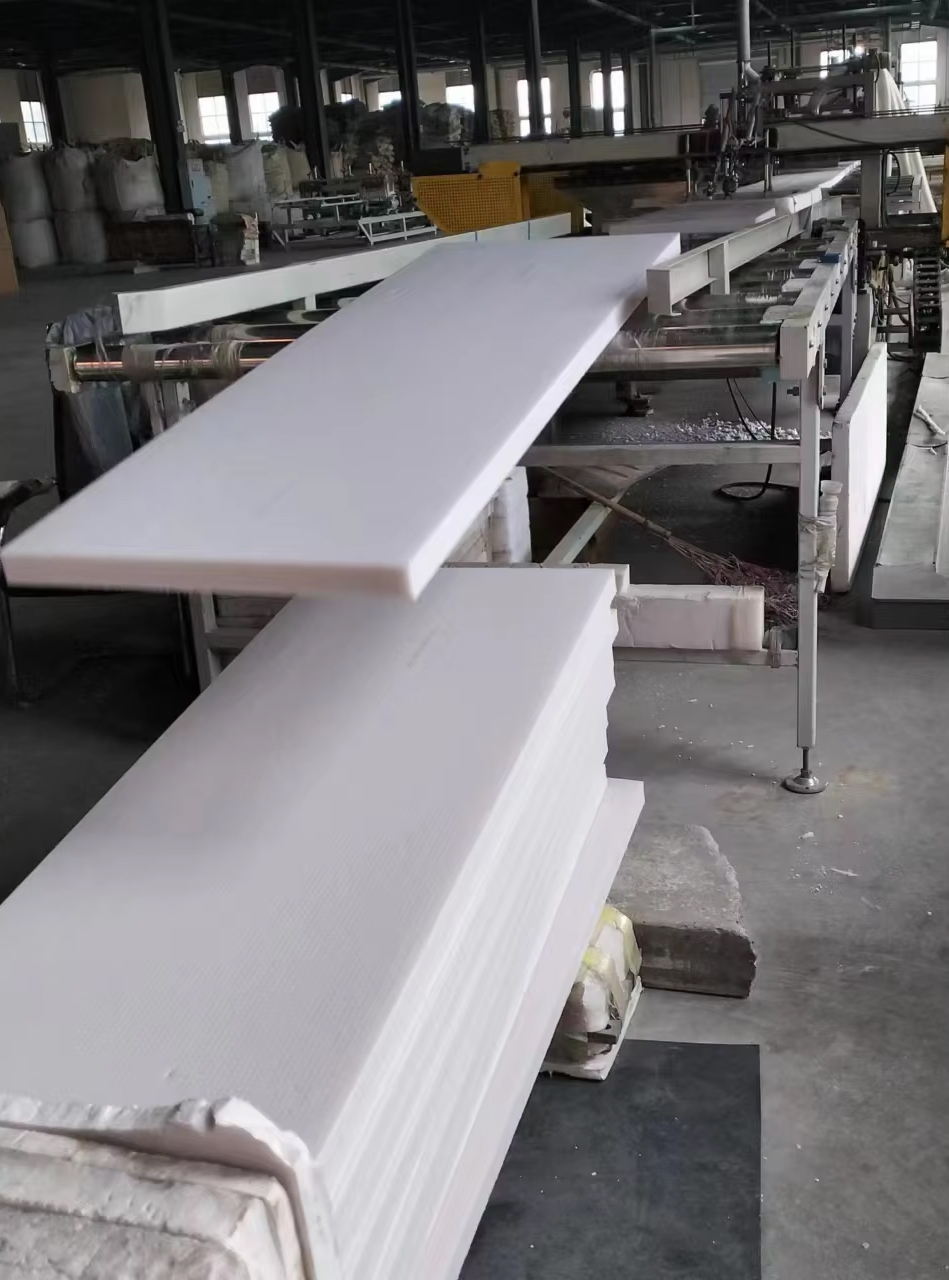
ONEBOND™ XPS boards are manufactured with tight dimensional tolerances and multiple edge configurations:
- Square edge
- Tongue & groove
- Scored or grooved surfaces (application-dependent)
These options improve:
- Installation speed
- Thermal continuity
- On-site cutting efficiency
7. System Integration Philosophy
High-performance insulation cannot function independently.
ONEBOND™ XPS systems are designed to integrate with:
- Air barrier membranes
- Vapor control layers
- Waterproofing systems
- Structural assemblies
This system-level approach ensures holistic building envelope performance, rather than isolated material compliance.
8. Sustainability and Service Life Considerations
While energy efficiency is the primary contribution of insulation, durability is equally critical.
- Long service life reduces material replacement
- Stable performance minimizes energy loss over time
- Mechanical robustness reduces damage during construction and use
ONEBOND™ XPS insulation supports life-cycle energy efficiency and long-term operational reliability.
9. Conclusion
ONEBOND™ Extruded Polystyrene (XPS) Insulation Systems provide a balanced combination of thermal efficiency, mechanical strength, and moisture resistance, making them suitable for demanding building envelope applications.
By aligning material science, performance standards, and application-specific design, ONEBOND™ delivers insulation solutions engineered for durability, efficiency, and long-term value.
About ONEBOND™
ONEBOND™ is a materials solutions provider specializing in advanced foam core and sandwich panel technologies, serving global construction, transportation, and industrial markets with engineered lightweight materials.
