
Introduction
Fiber Reinforced Polymer (FRP) sandwich panels have become increasingly popular in modern construction, transportation, marine engineering, and industrial applications due to their lightweight structure, high strength-to-weight ratio, corrosion resistance, and excellent thermal insulation properties. A typical FRP sandwich panel consists of two FRP face sheets bonded to a lightweight core material. While traditional foam cores such as XPS, PVC, and PU provide excellent insulation and weight reduction, their fire performance remains a significant concern. Consequently, mineral-based core materials have emerged as a promising alternative for enhancing the fire resistance of FRP sandwich structures.
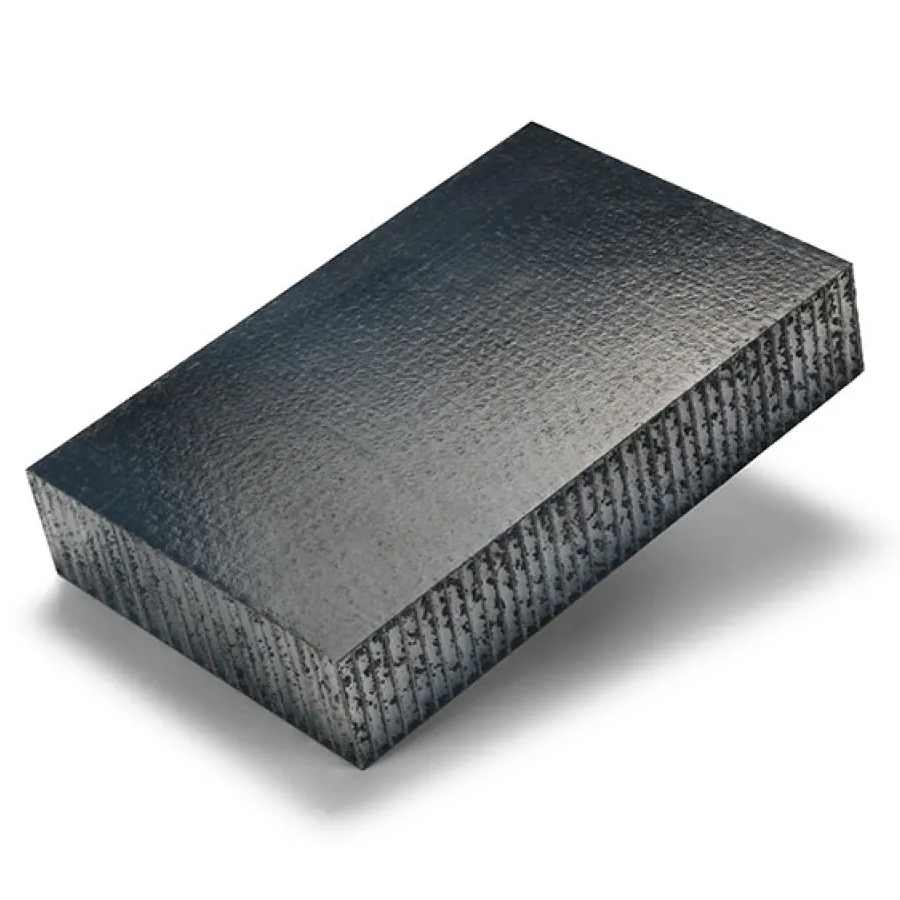
As building regulations become stricter and fire safety standards continue to evolve, researchers and manufacturers are focusing on developing FRP sandwich panels that combine mechanical performance with superior fire protection. Mineral-based core materials offer unique advantages in this regard due to their non-combustible nature and thermal stability.
Characteristics of Mineral-Based Core Materials
Mineral-based cores are typically manufactured from inorganic materials such as:
- Rock wool
- Mineral wool
- Calcium silicate
- Magnesium oxide (MgO)
- Expanded perlite
- Vermiculite composites
- Cementitious lightweight cores
Unlike organic foam materials, mineral-based cores do not contribute significantly to fire propagation. They possess high melting temperatures, low smoke generation, and excellent thermal insulation properties under elevated temperatures.
Rock wool, for example, can withstand temperatures exceeding 1000°C without significant degradation. Magnesium oxide boards offer exceptional dimensional stability and can serve as both structural and fire-resistant components. These characteristics make mineral-based materials highly attractive for applications requiring stringent fire protection.
Fire Behavior of Conventional FRP Sandwich Panels
Traditional FRP sandwich panels often utilize polymeric cores that may soften, melt, or combust when exposed to high temperatures. During a fire event, several failure mechanisms can occur:
- Thermal degradation of the resin matrix
- Delamination between face sheets and core
- Core melting and collapse
- Smoke and toxic gas generation
- Loss of structural integrity
The polymer matrix used in FRP face sheets may begin to decompose at temperatures ranging from 250°C to 400°C. As heat penetrates the panel, the adhesive bond weakens, causing separation between layers and accelerating structural failure.
These limitations have driven the development of fire-resistant sandwich systems incorporating mineral-based core materials.
Advantages of Mineral-Based Cores in Fire Resistance
Non-Combustibility
One of the primary advantages of mineral-based cores is their non-combustible nature. Unlike polymer foams, mineral wool and cement-based materials do not serve as fuel during combustion. This significantly reduces flame spread and fire growth.
Reduced Smoke Production
Smoke inhalation remains one of the leading causes of fatalities during building fires. Mineral-based cores produce little to no smoke when exposed to extreme temperatures, improving occupant safety and evacuation conditions.
Thermal Barrier Effect
Mineral materials act as effective thermal barriers. Their low thermal conductivity slows heat transfer through the sandwich panel, protecting the opposite side from rapid temperature increases. This characteristic enhances fire endurance and helps maintain compartmentalization within buildings.
Structural Stability at Elevated Temperatures
Many mineral-based cores maintain their mechanical properties under prolonged fire exposure. While organic foams may collapse or shrink, mineral cores retain dimensional stability, allowing the sandwich structure to preserve its load-bearing capacity for longer periods.
Fire Testing and Performance Evaluation
The fire performance of FRP sandwich panels is commonly evaluated through standardized testing methods, including:
- ASTM E119 Fire Resistance Test
- ISO 834 Standard Fire Curve
- EN 1364 Non-Load Bearing Wall Test
- ASTM E84 Surface Burning Characteristics
- Cone Calorimeter Testing (ISO 5660)
Key performance indicators include:
- Fire resistance rating
- Heat release rate (HRR)
- Smoke production rate
- Flame spread index
- Structural integrity duration
- Insulation performance
Studies have demonstrated that FRP sandwich panels with mineral wool cores can achieve fire resistance ratings of 60 to 180 minutes depending on panel thickness, face sheet composition, and installation configuration.
Design Considerations for Enhanced Fire Resistance
To maximize fire performance, manufacturers often combine mineral-based cores with advanced FRP technologies, including:
Fire-Retardant Resins
Phenolic, vinyl ester, and modified epoxy resins containing flame-retardant additives can significantly improve the fire performance of FRP face sheets.
Intumescent Coatings
Intumescent coatings expand when exposed to heat, forming a protective char layer that insulates the panel from direct flame exposure.
Hybrid Sandwich Structures
Combining mineral cores with reinforced FRP skins creates a balance between lightweight construction and fire safety. Hybrid configurations can achieve both high mechanical strength and excellent fire resistance.
Optimized Adhesive Systems
Fire-resistant adhesives help maintain the bond between face sheets and core during elevated temperature exposure, reducing the risk of delamination.
Applications in Fire-Sensitive Environments
FRP sandwich panels with mineral-based cores are increasingly used in applications where fire safety is critical:
- Commercial buildings
- Industrial facilities
- Data centers
- Railway vehicles
- Marine vessels
- Offshore platforms
- Modular construction systems
- Clean rooms and laboratories
In these environments, fire-resistant sandwich panels contribute to regulatory compliance while maintaining the benefits of lightweight composite construction.
Future Development Trends
The future of fire-resistant FRP sandwich panels is likely to focus on the integration of advanced mineral composites, nanotechnology-enhanced fire barriers, and sustainable inorganic core materials. Researchers are also exploring multifunctional panels that provide structural support, thermal insulation, acoustic performance, and fire protection within a single lightweight system.
Additionally, the growing demand for green building materials is encouraging the development of recyclable and environmentally friendly mineral-core sandwich panels with lower life-cycle environmental impacts.
Conclusion
Fire resistance has become a critical requirement for modern composite construction systems. While traditional foam-core sandwich panels offer excellent lightweight performance, their fire limitations have accelerated the adoption of mineral-based core materials. Rock wool, magnesium oxide, calcium silicate, and other inorganic cores provide outstanding fire resistance, reduced smoke generation, and enhanced structural stability under high-temperature conditions.
By combining advanced FRP face sheets with non-combustible mineral cores, manufacturers can develop sandwich panels that meet increasingly stringent fire safety regulations while maintaining the strength, durability, and energy efficiency demanded by today’s construction and industrial markets. As technology advances, mineral-based FRP sandwich panels are expected to play an increasingly important role in safe, sustainable, and high-performance building solutions.
