
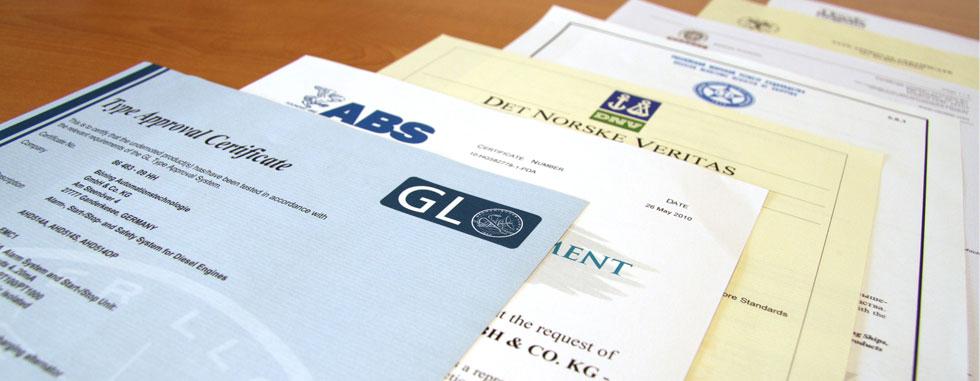
Marine core materials used in shipbuilding, offshore structures, yachts, ferries, naval vessels, and composite sandwich panels are typically required to comply with classification society standards. These certifications ensure that the materials meet requirements for:
- Structural integrity
- Fire resistance
- Durability in marine environments
- Mechanical performance
- Safety and compliance with international maritime regulations
The four major classification societies commonly involved in marine core material approvals are:
| Abbreviation | Full Name | Country |
|---|---|---|
| DNV | DNV | Norway |
| BV | Bureau Veritas | France |
| LR | Lloyd’s Register | United Kingdom |
| CCS | China Classification Society | China |
1. DNV Certification Standard
Overview
DNV is one of the most influential marine classification societies globally, especially in:
- Offshore engineering
- LNG vessels
- High-speed crafts
- Advanced composite structures
- Northern European shipbuilding markets
DNV approval is widely recognized for high-performance marine sandwich structures and lightweight composite applications.
Main Testing Requirements
Mechanical Properties
DNV typically evaluates:
- Compressive strength
- Shear strength
- Shear modulus
- Tensile strength
- Peel adhesion
- Fatigue resistance
Fire Performance
DNV places strong emphasis on:
- IMO FTP Code compliance
- A60 fire-rating requirements
- Smoke density
- Toxicity emission
Environmental Durability
Common environmental tests include:
- Water absorption
- Salt spray resistance
- Thermal cycling
- Humidity aging
- Long-term marine exposure
Typical Approved Core Materials
| Core Material | Common Marine Application |
|---|---|
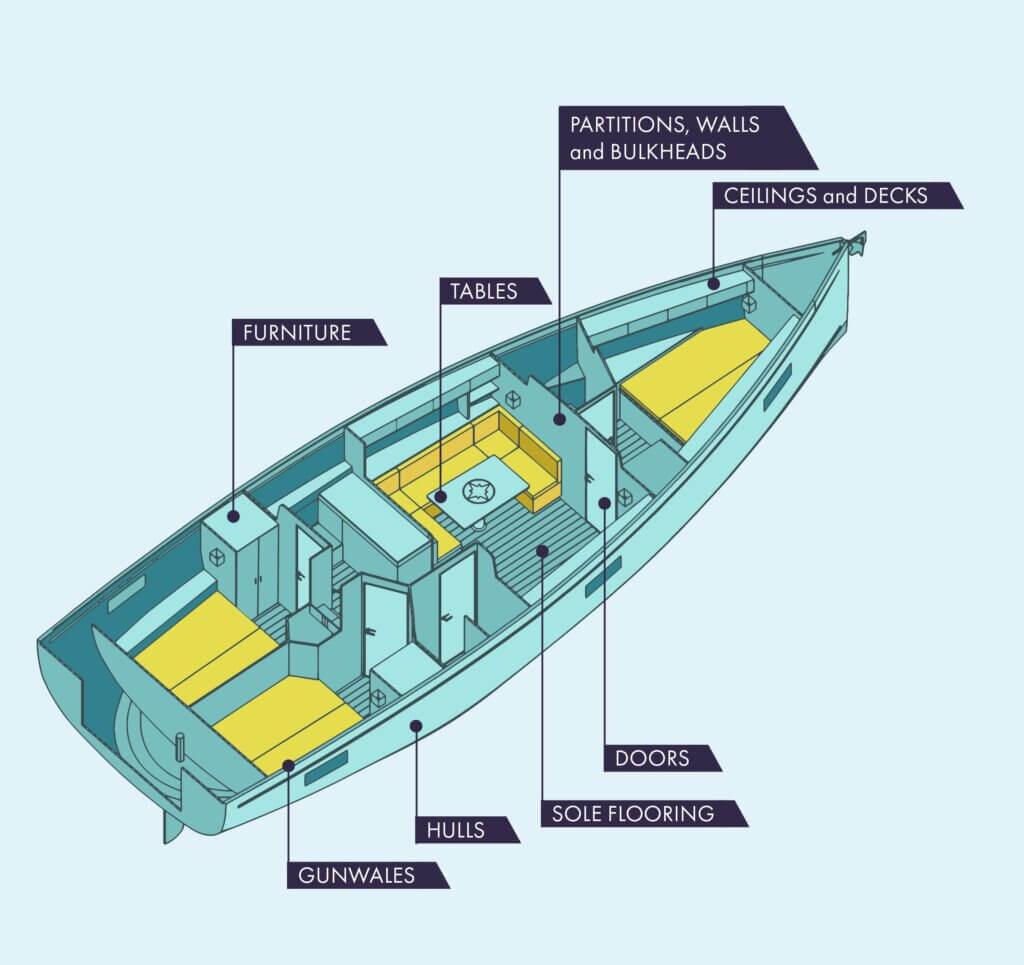
| PVC Foam Core | Hulls and decks |
| PET Foam Core | Eco-friendly yacht structures |
| SAN Foam Core | High-speed vessels |
| Aluminum Honeycomb Core | A60 interior panels |
| Nomex Honeycomb | Naval and aerospace-grade vessels |
2. BV Certification Standard
Overview
Bureau Veritas is highly active in:
- Cruise ships
- Luxury yachts
- Commercial vessels
- Offshore structures
BV certification is particularly common in European marine projects.
Main Certification Focus
Fire Safety Compliance
BV strongly focuses on:
- IMO regulations
- FTP Code fire testing
- MED Wheel Mark compliance
Sandwich Structure Validation
BV commonly evaluates:
- Bonding quality between skins and core
- Structural fatigue performance
- Vacuum infusion compatibility
- Delamination resistance
Marine Environmental Resistance
Typical evaluations include:
- Moisture resistance
- Anti-fungal performance
- Saltwater durability
- Long-term hydrolysis resistance
Common Certified Products
| Product Type | Typical Application |
|---|---|
| Aluminum Honeycomb Panels | Marine interiors |
| A60 Ceiling Panels | Cruise ships |
| FRP Sandwich Panels | Fast ferries |
| PVC Foam Cores | Yacht hulls |
3. LR Certification Standard
Overview
Lloyd’s Register is one of the oldest marine classification societies and is widely recognized in:
- Naval vessels
- Special-purpose ships
- Commonwealth shipbuilding markets
- Offshore engineering
Key Testing Requirements
Structural Performance
LR commonly requires:
- Static load testing
- Dynamic load testing
- Impact resistance testing
- Fatigue analysis
Fire and Smoke Safety
Key evaluation areas include:
- Flame spread
- Smoke generation
- Low-toxicity emissions
- Fire integrity
Composite Manufacturing Compatibility
LR places significant importance on:
- Resin compatibility
- Vacuum infusion processes
- RTM process suitability
- Laminate bonding quality
Common LR Evaluation Parameters
| Test Item | Purpose |
|---|---|
| Core Shear Strength | Structural rigidity |
| Peel Strength | Bonding reliability |
| Water Absorption | Moisture resistance |
| Smoke Toxicity | Passenger safety |
4. CCS Certification Standard
Overview
China Classification Society is the primary classification society in China and is widely used for:
- Commercial ships
- Offshore platforms
- Inland vessels
- Government marine projects
- Domestic shipbuilding programs
CCS certification is commonly required for marine materials supplied to Chinese shipyards.
Main Certification Requirements
Fire Resistance
CCS commonly evaluates:
- A-class non-combustibility
- A60 fire ratings
- IMO FTP compliance
Mechanical Performance
Testing generally includes:
- Compression strength
- Shear strength
- Flexural strength
- Impact resistance
Manufacturing and Localization
CCS is often preferred for:
- Chinese marine projects
- Localized supply chains
- Domestic marine engineering compliance
Common CCS-Certified Core Materials
| Core Material | Typical Use |
|---|---|
| Aluminum Honeycomb Panels | Marine wall systems |
| Rock Wool Sandwich Panels | Fire-rated bulkheads |
| PVC Foam Cores | FRP hull structures |
| PP Honeycomb Panels | Interior furniture and flooring |
5. International Marine Standards Related to Core Materials
IMO FTP Code
The International Maritime Organization Fire Test Procedures Code is one of the most important global marine fire safety standards.
It covers:
- Non-combustibility
- Surface flammability
- Smoke density
- Toxic gas emission
- Fire integrity
Most marine sandwich panels and core materials must comply with IMO FTP standards for marine applications.
MED Wheel Mark
The Marine Equipment Directive (MED) is mandatory for many marine products entering the European marine market.
It is particularly important for:
- Cruise ship interiors
- Fire-rated panels
- Marine ceiling systems
- Passenger vessel components
ASTM Standards Frequently Used
| ASTM Standard | Testing Purpose |
|---|---|
| ASTM C365 | Compression properties |
| ASTM C273 | Shear properties |
| ASTM D1781 | Peel resistance |
| ASTM E84 | Surface burning characteristics |
6. Common Testing Items for Marine Core Materials
| Test Category | Main Purpose |
|---|---|
| Compression Strength | Load-bearing capability |
| Shear Strength | Structural stability |
| Peel Adhesion | Skin-core bonding quality |
| Water Absorption | Moisture resistance |
| Density Testing | Weight control |
| Fire Resistance | Marine fire safety |
| Smoke Toxicity | Passenger protection |
| Fatigue Resistance | Long-term durability |
| Salt Spray Resistance | Corrosion performance |
| Thermal Cycling | Temperature stability |
7. Typical Certification Combinations
| Product | Common Certification Combination |
|---|---|
| Aluminum Honeycomb Panels | DNV + IMO FTP |
| Marine Ceiling Panels | MED + A60 |
| PVC Foam Cores | DNV + LR |
| PET Foam Cores | BV + DNV |
| FRP Sandwich Panels | CCS + LR |
| A60 Wall Panels | IMO FTP + MED |
8. Current Industry Trends
High-End Marine Markets
Premium shipyards increasingly prefer:
- DNV
- BV
- MED-certified systems
because of stricter European compliance requirements.
Chinese Marine Industry
Chinese shipyards commonly adopt:
- CCS
- IMO FTP
for commercial vessel projects.
Cruise and Luxury Yacht Industry
Key requirements include:
- Lightweight construction
- A60 fire protection
- Low smoke and toxicity
- Advanced composite structures
Popular core materials include:
- SAN Foam
- PET Foam
- Aluminum Honeycomb
- Nomex Honeycomb
9. Certification Strategy for Marine Core Material Manufacturers
Entry-Level International Marine Market
Recommended minimum certifications:
- IMO FTP Code
- CCS Approval
High-End Export Market
Recommended certifications:
- DNV Approval
- BV Approval
- MED Certification
Luxury Yacht and Cruise Projects
Focus areas:
- Fire safety
- Lightweight structures
- Fatigue durability
- Low smoke emission
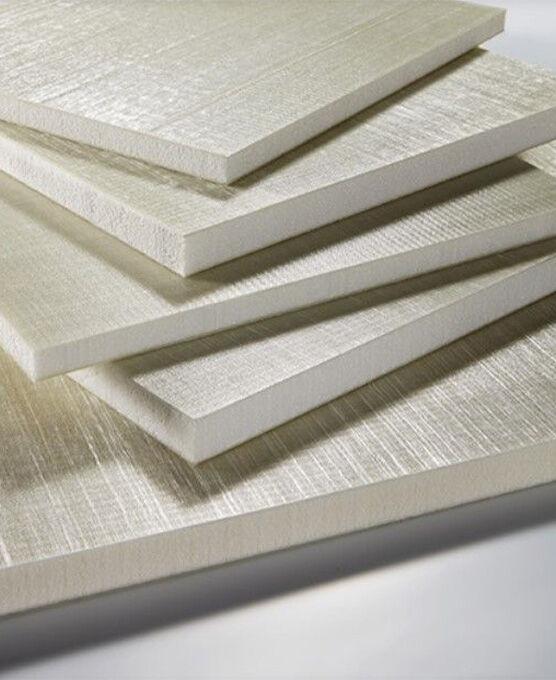
Recommended core materials:
- SAN Foam
- Aluminum Honeycomb
- Nomex Honeycomb
- Advanced PET Foam Systems
