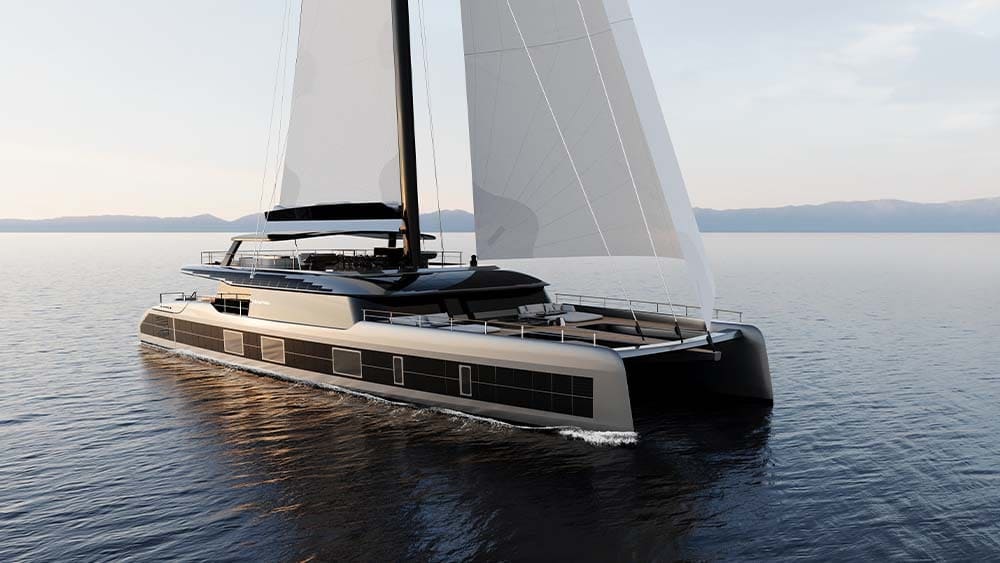
Marine Core Materials Density and Mechanical Properties Table
Marine core materials are selected based on a balance between weight, stiffness, strength, fire resistance, durability, and cost. The following tables summarize the typical density ranges and mechanical performance characteristics of commonly used marine core materials.
The values below are industry reference ranges. Actual performance depends on:
Manufacturer
Cell size
Resin system
Processing method
Temperature conditions
Testing standards
1. PVC Foam Core Properties
Property
Typical Range
Density
60–250 kg/m³
Compressive Strength
0.8–6.5 MPa
Shear Strength
0.6–4.5 MPa
Shear Modulus
20–150 MPa
Water Absorption
Very Low
Operating Temperature
-240°C to 70°C
Fire Performance
Medium
Fatigue Resistance
Good
Main Characteristics
Excellent cost-performance ratio
Closed-cell waterproof structure
Good process compatibility
Widely used in hulls and decks
2. PET Foam Core Properties
Property
Typical Range
Density
70–250 kg/m³
Compressive Strength
0.9–5.8 MPa
Shear Strength
0.7–4.0 MPa
Shear Modulus
25–140 MPa
Water Absorption
Very Low
Operating Temperature
-180°C to 120°C
Fire Performance
Medium
Fatigue Resistance
Good
Main Characteristics
Recyclable thermoplastic structure
Better thermal resistance than PVC
Environmentally friendly
Increasingly popular in European marine projects
3. SAN Foam Core Properties
Property
Typical Range
Density
60–250 kg/m³
Compressive Strength
1.0–7.0 MPa
Shear Strength
0.8–5.0 MPa
Shear Modulus
25–190 MPa
Water Absorption
Extremely Low
Operating Temperature
-200°C to 150°C
Fire Performance
Medium to High
Fatigue Resistance
Excellent
Main Characteristics
Outstanding toughness
Excellent fatigue resistance
Superior crack resistance
Preferred for high-speed marine structures
4. PMI Foam Core Properties
Property
Typical Range
Density
30–200 kg/m³
Compressive Strength
0.8–9.0 MPa
Shear Strength
0.7–6.0 MPa
Shear Modulus
20–250 MPa
Water Absorption
Extremely Low
Operating Temperature
-260°C to 180°C
Fire Performance
High
Fatigue Resistance
Excellent
Main Characteristics
Ultra-lightweight
Exceptional stiffness-to-weight ratio
Aerospace-grade structural performance
Very high cost
5. Aluminum Honeycomb Core Properties
Property
Typical Range
Density
25–130 kg/m³
Compressive Strength
1.5–12 MPa
Shear Strength
0.8–6.5 MPa
Shear Modulus
30–350 MPa
Water Absorption
None
Operating Temperature
-196°C to 350°C
Fire Performance
Excellent
Fatigue Resistance
Very Good
Main Characteristics
Extremely high stiffness
Excellent fire resistance
Outstanding flatness
Requires proper corrosion protection
6. Nomex Honeycomb Core Properties
Property
Typical Range
Density
24–144 kg/m³
Compressive Strength
1.0–10 MPa
Shear Strength
0.7–5.5 MPa
Shear Modulus
25–300 MPa
Water Absorption
Very Low
Operating Temperature
-190°C to 180°C
Fire Performance
Excellent
Fatigue Resistance
Excellent
Main Characteristics
Ultra-lightweight aramid structure
Excellent fire behavior
High fatigue durability
Widely used in military and aerospace sectors
7. PP Honeycomb Core Properties
Property
Typical Range
Density
60–120 kg/m³
Compressive Strength
0.5–2.5 MPa
Shear Strength
0.3–1.5 MPa
Shear Modulus
10–60 MPa
Water Absorption
Extremely Low
Operating Temperature
-40°C to 80°C
Fire Performance
Medium
Fatigue Resistance
Moderate
Main Characteristics
Economical lightweight solution
Excellent corrosion resistance
Easy recycling
Suitable for non-structural marine applications
8. Balsa Wood Core Properties
Property
Typical Range
Density
100–250 kg/m³
Compressive Strength
5–20 MPa
Shear Strength
2–8 MPa
Shear Modulus
100–500 MPa
Water Absorption
Medium to High
Operating Temperature
-50°C to 100°C
Fire Performance
Low
Fatigue Resistance
Good
Main Characteristics
High natural compressive strength
Excellent resin bonding
Traditional marine composite material
Requires strict moisture protection
9. Comparative Density Table
Core Material
Typical Density Range
PMI Foam
30–200 kg/m³
Aluminum Honeycomb
25–130 kg/m³
Nomex Honeycomb
24–144 kg/m³
PVC Foam
60–250 kg/m³
PET Foam
70–250 kg/m³
SAN Foam
60–250 kg/m³
PP Honeycomb
60–120 kg/m³
Balsa Wood
100–250 kg/m³
10. Comparative Structural Performance Ranking
Material
Lightweight
Strength
Fatigue Resistance
Fire Resistance
Cost
PVC Foam
Good
Good
Good
Medium
Medium
PET Foam
Good
Good
Good
Medium
Medium-Low
SAN Foam
Excellent
Very High
Excellent
Medium-High
High
PMI Foam
Outstanding
Excellent
Excellent
High
Very High
Aluminum Honeycomb
Outstanding
Excellent
Very Good
Excellent
High
Nomex Honeycomb
Outstanding
Excellent
Excellent
Excellent
Very High
PP Honeycomb
Good
Moderate
Moderate
Medium
Low
Balsa Wood
Moderate
High
Good
Low
Medium
11. Recommended Applications by Core Material
Marine Application
Recommended Core Material
Hull Structures
PVC / SAN / PET
High-Speed Ferries
SAN / PMI
Luxury Yachts
SAN / Nomex
Naval Vessels
Nomex / PMI
Marine Ceilings
Aluminum Honeycomb
A60 Wall Panels
Aluminum Honeycomb
Interior Furniture
PP Honeycomb
Offshore Accommodation
Aluminum Honeycomb
Deck Panels
PVC / Balsa
Eco-Friendly Marine Projects
PET Foam
12. Engineering Selection Considerations
When selecting marine core materials, naval architects and composite engineers typically evaluate:
Density-to-strength ratio
Fire performance
Water resistance
Fatigue durability
Resin compatibility
Manufacturing method
Classification society requirements
Long-term maintenance costs
Different marine sectors prioritize different performance characteristics. For example:
Racing yachts prioritize lightweight performance
Cruise ships prioritize fire safety
Commercial vessels prioritize durability and cost efficiency
Naval vessels prioritize fatigue resistance and impact tolerance