

This material is particularly suited for wall, roof, floor, and sandwich panel systems where long-term dimensional stability and load-bearing capability are required. Its lightweight nature simplifies handling and installation, while its compatibility with various surface facings—such as FRP, cement board, and metal sheets—allows for flexible composite panel design.


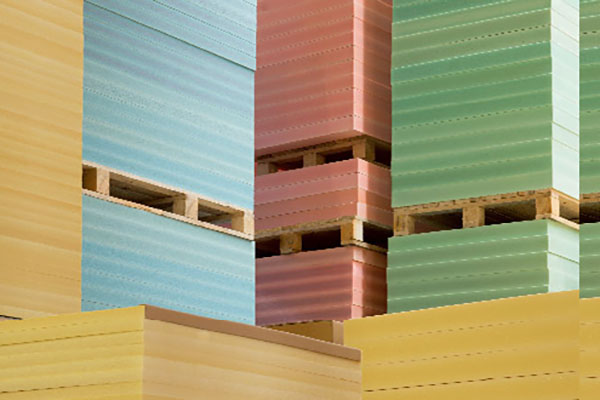
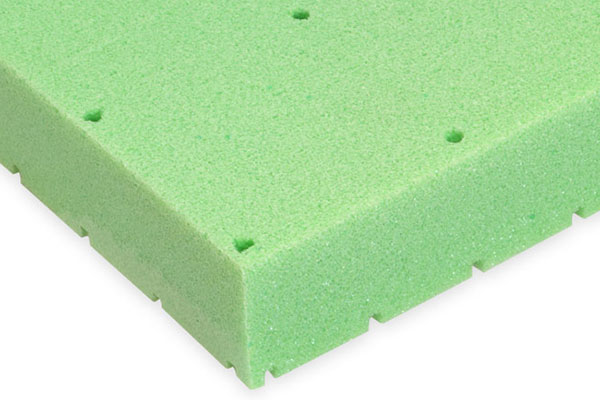
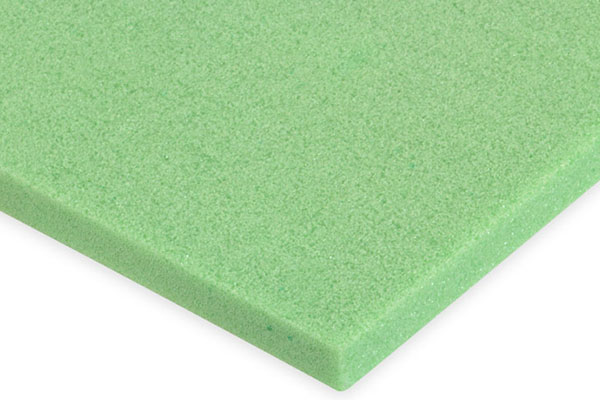
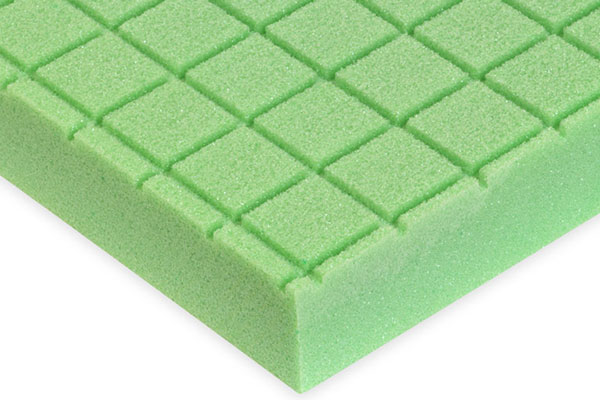
High-Performance PVC Foam Core Board for Industrial, Construction, and Composite Applications
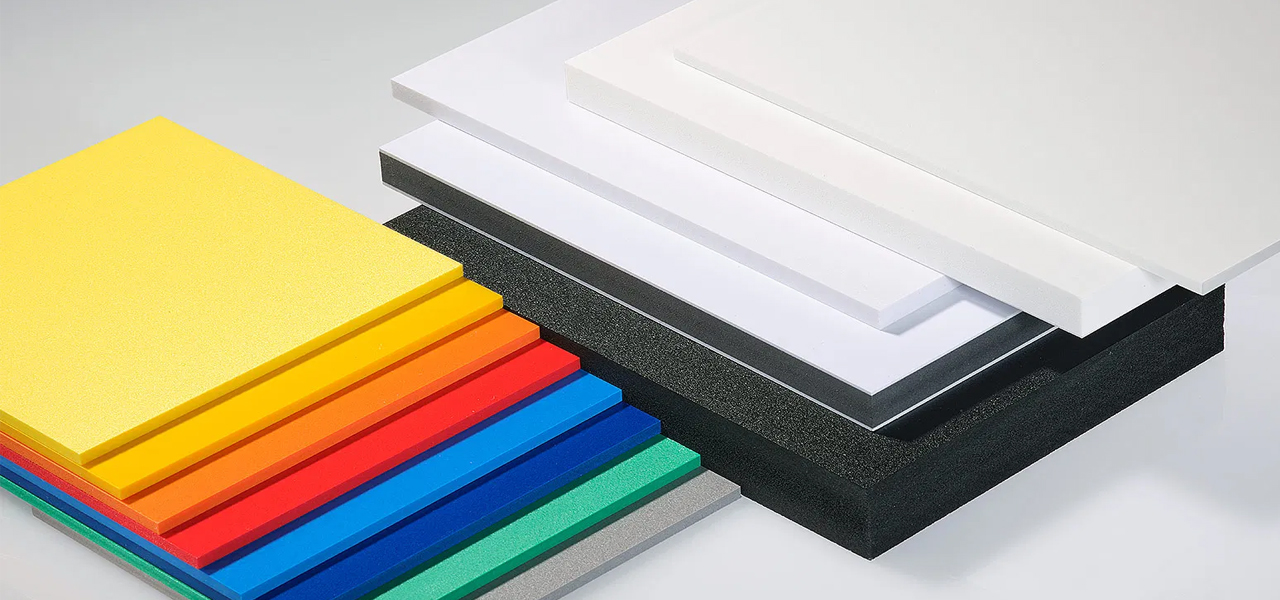
PVC Foam Core Board is a versatile and high-performance core material widely used in construction, transportation, marine, and industrial applications. Known for its lightweight, high strength, and superior dimensional stability, PVC Foam Core Board is an ideal choice for creating sandwich panels, composite structures, and insulation systems. With advanced manufacturing processes, this product provides exceptional mechanical performance, moisture resistance, thermal insulation, and ease of processing, making it a reliable solution for modern engineering and industrial applications.
Material Composition and Manufacturing Process
PVC Foam Core Board is produced using high-quality polyvinyl chloride (PVC) resins combined with environmentally friendly foaming agents. The board features a uniform closed-cell structure, which ensures:
- Low density without sacrificing strength
- Excellent thermal and acoustic insulation
- High resistance to water absorption and chemical corrosion
- Long-term dimensional stability under varying environmental conditions
The production process involves continuous extrusion or panel molding, which allows precise control of density, thickness, and surface finish. The result is a consistent, high-quality foam core suitable for demanding applications.
Key Advantages
1. Lightweight Yet Strong
PVC Foam Core Board offers an excellent strength-to-weight ratio, reducing overall structural weight while maintaining high mechanical performance. This makes it suitable for sandwich panels, wall partitions, doors, and vehicle interiors.
2. Superior Moisture and Chemical Resistance
With its closed-cell structure, PVC Foam Core Board exhibits low water absorption (<0.5% by volume) and excellent resistance to most chemicals, making it suitable for wet or corrosive environments, including bathrooms, kitchens, and marine applications.
3. Dimensional Stability
The material maintains stable dimensions under temperature and humidity changes, ensuring long-term performance in construction, transportation, and industrial applications.
4. Thermal and Acoustic Insulation
PVC Foam Core provides low thermal conductivity and good acoustic dampening properties, contributing to energy-efficient buildings and noise reduction in vehicles and industrial panels.
5. Easy Processing and Fabrication
PVC Foam Core Board can be cut, routed, laminated, thermoformed, or bonded with various adhesives. It is highly compatible with facings such as FRP, aluminum, steel, wood, and decorative laminates, enabling versatile applications.
Typical Technical Properties
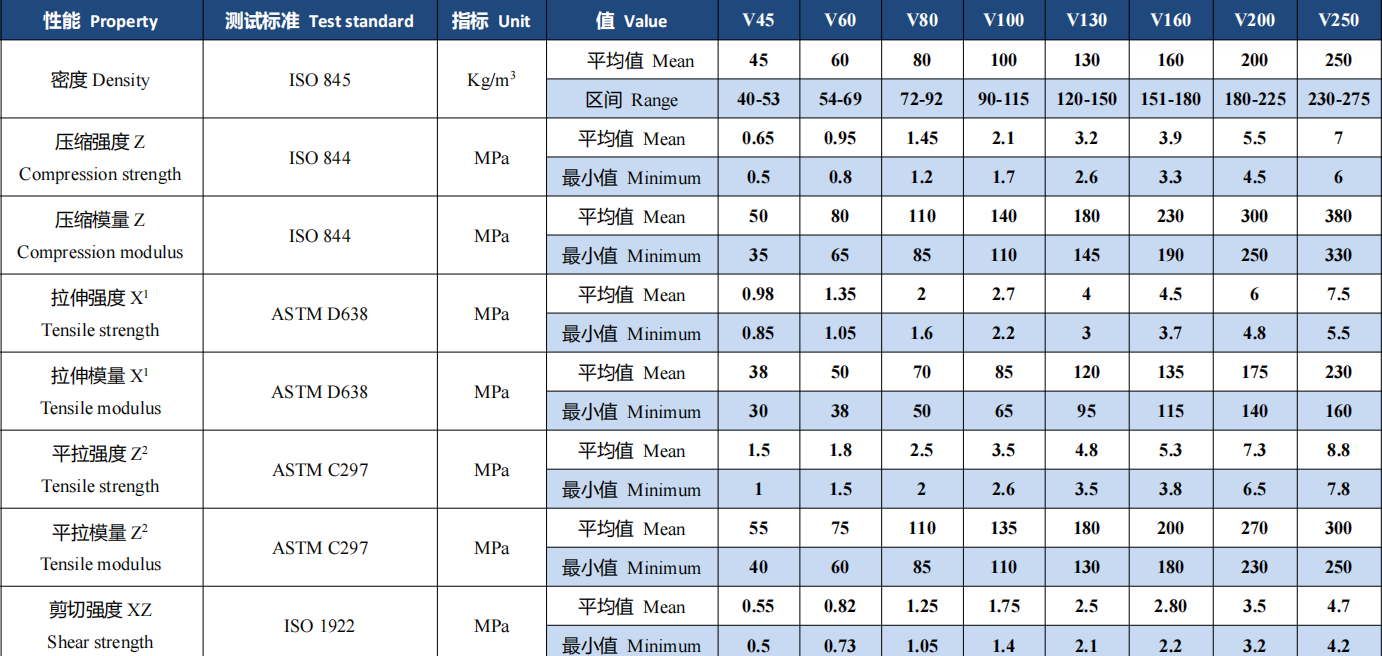
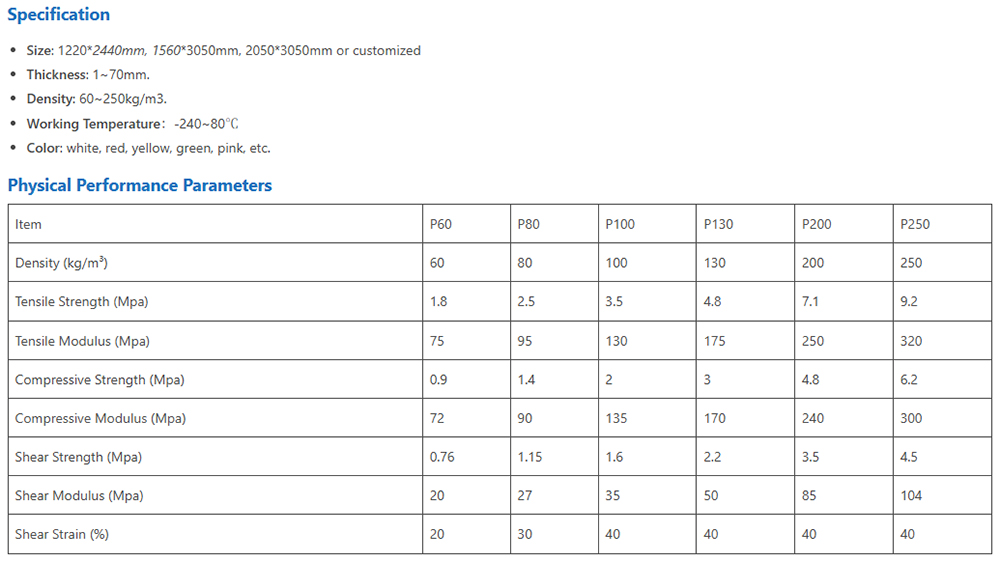
| Property | Unit | Typical Value |
|---|---|---|
| Density | kg/m³ | 40 – 80 |
| Compressive Strength (10% deformation) | kPa | 200 – 450 |
| Flexural Strength | MPa | 12 – 18 |
| Shear Strength | kPa | 150 – 300 |
| Thermal Conductivity | W/m·K | 0.035 – 0.045 |
| Water Absorption (28 days) | % by volume | ≤ 0.5 |
| Operating Temperature | °C | -30 to +60 |
| Surface Finish | – | Smooth / Textured |
Dimensions and Customization Options
PVC Foam Core Board is available in a range of standard and customized sizes, suitable for different industrial requirements.
Standard Dimensions
| Parameter | Range |
|---|---|
| Length | 1200 – 2400 mm |
| Width | 600 mm |
| Thickness | 3 – 50 mm |
Customization Capabilities
- Customized thickness, density, and color
- CNC-cut or shaped profiles for easy installation
- Laminated surfaces with FRP, aluminum, steel, wood, or HPL
- Textured or smooth surfaces for aesthetic and functional requirements
Compatibility with Facings
PVC Foam Core Board can be combined with various facing materials to enhance structural performance, surface durability, and aesthetic appeal.
| Facing Material | Typical Application |
|---|---|
| FRP / Fiberglass | Marine panels, vehicle interiors |
| Aluminum Sheet | Sandwich panels for industrial and construction use |
| Steel Sheet | Insulated doors, cold storage panels |
| Wood-Based Panels | Decorative panels, furniture, modular construction |
| High-Pressure Laminate | Interior design, signage, exhibition boards |
Application Areas
Construction
- Interior wall partitions and ceilings
- Sandwich panels for energy-efficient buildings
- Tile backer boards for wet areas
- Prefabricated modular housing panels
Transportation
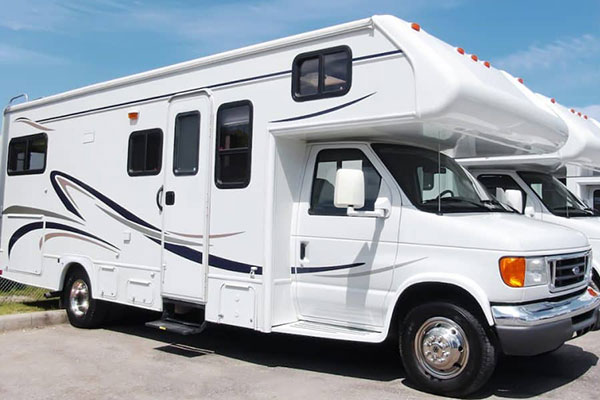
- Vehicle interior panels for buses, trains, and trucks
- Lightweight doors, floors, and partitions
- Refrigerated transport insulation panels
Marine and Offshore
- Non-structural and semi-structural panels
- Boat interiors, cabin walls, and deck panels
- Buoyancy and flotation components
Industrial Applications
- Cold storage and refrigeration panels
- Clean room partitions
- Industrial doors and enclosures
Comparison with Other Core Materials
| Material | Weight | Moisture Resistance | Thermal Insulation | Cost Efficiency |
|---|---|---|---|---|
| PVC Foam Core | Light | Excellent | Good | High |
| XPS Foam | Very Light | Excellent | Excellent | Medium |
| PU Foam | Light | Moderate | Excellent | Medium |
| Balsa Wood | Medium | Poor (untreated) | Moderate | Low-Medium |
PVC Foam Core Board is particularly advantageous in environments requiring chemical resistance, moisture resistance, and easy machinability, outperforming traditional balsa wood and many alternative foam cores in durability and cost-effectiveness.
Environmental and Compliance Considerations
- Manufactured with CFC/HCFC-free foaming agents
- Recyclable thermoplastic material
- Low VOC emissions
- Compliant with international standards for construction, transportation, and marine applications
Quality Control
PVC Foam Core Board undergoes rigorous quality checks, including:
- Density and thickness measurement
- Compressive, flexural, and shear strength testing
- Water absorption and thermal stability evaluation
- Surface and dimensional inspection
These measures ensure consistent performance for both standard and high-demand applications.
Conclusion
PVC Foam Core Board represents a reliable, versatile, and high-performance solution for modern construction, industrial, marine, and transportation needs. Its combination of lightweight structure, mechanical strength, chemical and moisture resistance, thermal and acoustic insulation, and fabrication flexibility makes it a preferred choice for engineers, architects, and manufacturers. With customizable options and compatibility with multiple facing materials, PVC Foam Core Board is designed to meet the highest standards of performance, durability, and cost efficiency across a wide range of industries.
