
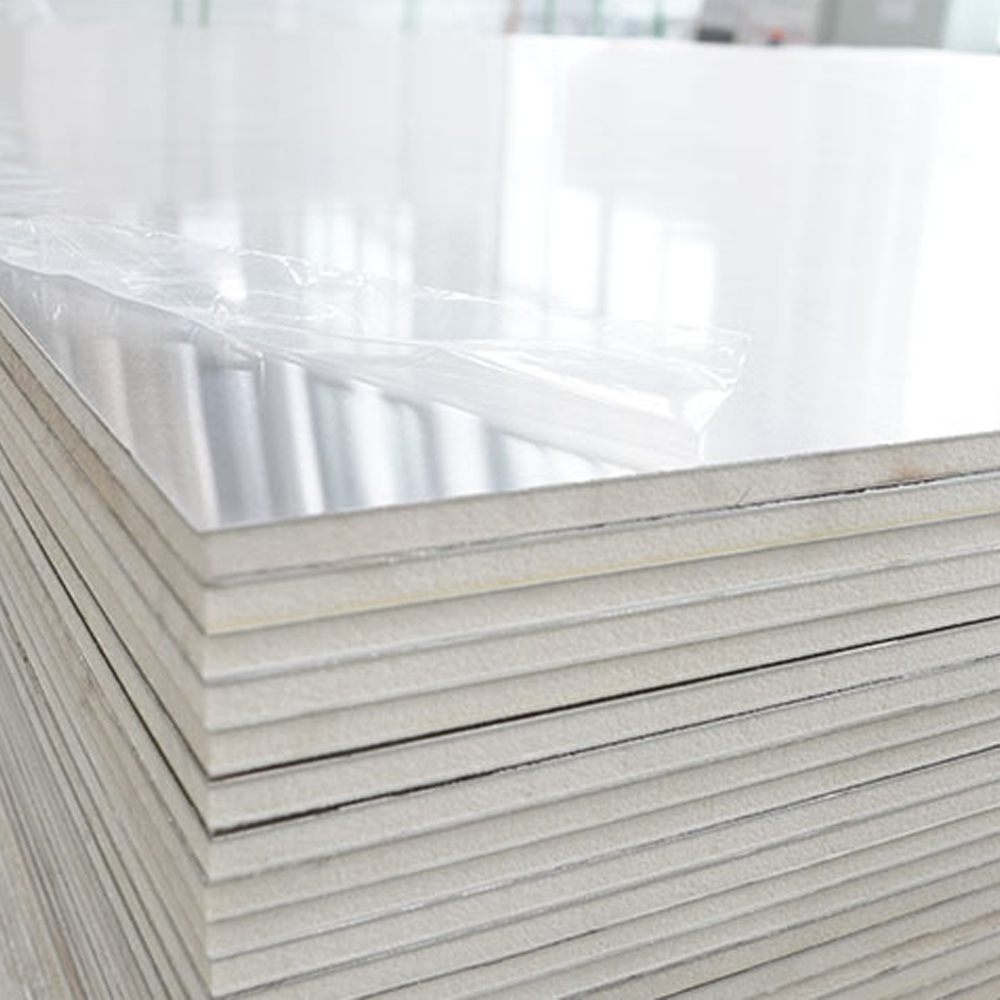
Introduction: Choosing Between PVC Foam Core and PET Foam Core
For composite manufacturers, engineering companies, and international procurement teams, choosing the right core material is a critical step in product development. The core material directly affects the final composite structure’s strength, weight, durability, production efficiency, and lifecycle cost.
Among various structural foam core materials, PVC Foam Core and PET Foam Core are two of the most widely used solutions for high-performance composite applications.
Both materials feature a closed-cell foam structure, excellent lightweight characteristics, and good compatibility with composite manufacturing processes. However, their performance, sustainability advantages, processing behavior, and application suitability are different.
For buyers, the question is not simply:
“Which material is better?”
The more important question is:
“Which foam core material provides the best value for my specific application?”
This article provides a detailed comparison of PVC Foam Core and PET Foam Core from a procurement and engineering perspective.
1. Basic Introduction of PVC Foam Core and PET Foam Core
PVC Foam Core: A Proven Structural Composite Core Material
PVC Foam Core is one of the most mature structural foam core materials in the composite industry.
It is manufactured using rigid PVC polymer technology and features a uniform closed-cell structure.
The main advantages include:
- High compressive strength
- Excellent shear performance
- Strong impact resistance
- Low water absorption
- Excellent fatigue resistance
- Good resin compatibility
Because of these characteristics, PVC Foam Core has been widely adopted in industries requiring long-term structural reliability.
Typical applications:
- Yacht and boat structures
- Wind turbine blades
- Marine interior panels
- Transportation composite panels
- Industrial sandwich structures
For decades, PVC Foam Core has been considered a benchmark material for high-performance composite sandwich structures.
PET Foam Core: The Sustainable Structural Foam Solution
PET Foam Core is a newer-generation structural foam material developed from polyethylene terephthalate polymer.
With increasing global demand for recyclable and environmentally friendly materials, PET Foam Core has become an important alternative to traditional foam cores.
Key advantages include:
- Good mechanical performance
- Excellent sustainability characteristics
- High temperature resistance
- Stable dimensional performance
- Recycling potential
- Competitive cost-performance ratio
PET Foam Core is increasingly used in:
- Wind energy applications
- Electric vehicle components
- Railway structures
- Marine composites
- Building sandwich panels
For buyers focusing on sustainable supply chains, PET Foam Core offers significant advantages.
2. Mechanical Performance Comparison
For engineering procurement, mechanical properties are usually the most important evaluation criteria.
| Property | PVC Foam Core | PET Foam Core |
|---|---|---|
| Density Range | 45-250 kg/m³ | 60-250 kg/m³ |
| Compression Strength | Excellent | Excellent |
| Shear Strength | Excellent | Good-Excellent |
| Impact Resistance | Excellent | Good |
| Fatigue Resistance | Excellent | Good |
| Weight Reduction | Excellent | Excellent |
| Water Resistance | Excellent | Excellent |
| Temperature Resistance | Good | Excellent |
3. Compression Strength Comparison
Compression strength determines how well the foam core supports external loads.
In sandwich structures, the core prevents:
- Panel deformation
- Local buckling
- Skin separation
- Structural failure
PVC Foam Core Performance
PVC Foam Core has excellent compression resistance and maintains stable mechanical properties under long-term loading.
This makes it suitable for:
- Boat hull structures
- Offshore equipment
- Wind turbine blades
For applications exposed to vibration, impact, or cyclic loading, PVC Foam Core provides reliable performance.
PET Foam Core Performance
PET Foam Core also provides excellent compression performance, especially in medium and high-density grades.
Its advantages include:
- Stable mechanical behavior
- Good thermal resistance
- Lower environmental impact
For large composite structures requiring lightweight reinforcement, PET Foam Core is increasingly selected by manufacturers.
4. Shear Strength and Structural Performance
Shear strength is a critical factor in sandwich panels because the core transfers loads between the two face sheets.
A weak core may cause:
- Delamination
- Panel cracking
- Reduced service life
PVC Foam Core Advantages
PVC Foam Core has excellent shear properties, which makes it suitable for demanding structural applications.
Examples:
- Marine hull panels
- Composite decks
- Wind turbine blades
PET Foam Core Advantages
PET Foam Core provides good shear performance and performs well in modern composite manufacturing.
It is especially suitable for:
- Large-scale production
- Lightweight structures
- Sustainable composite products
5. Water Resistance and Marine Application Comparison
For marine applications, water absorption is a key purchasing consideration.
The core material must withstand:
- Long-term moisture exposure
- Saltwater environment
- Temperature changes
- Mechanical vibration
PVC Foam Core in Marine Applications
PVC Foam Core has been widely used in:
- Yacht manufacturing
- Fishing boats
- Passenger vessels
- Marine panels
Its advantages:
- Low water absorption
- Excellent durability
- High impact resistance
PET Foam Core in Marine Applications
PET Foam Core also provides good moisture resistance and is becoming popular in marine applications.
Advantages:
- Lightweight structure
- Sustainable material option
- Good production efficiency
For environmentally focused marine manufacturers, PET Foam Core provides a strong alternative.
6. Temperature Resistance and Processing Performance
Composite manufacturing processes often involve heat exposure.
Important factors include:
- Resin curing temperature
- Vacuum infusion process
- Lamination conditions
PVC Foam Core
Advantages:
- Excellent resin compatibility
- Suitable for vacuum infusion
- Mature processing technology
Common manufacturing methods:
- Hand lay-up
- Vacuum infusion
- Resin transfer molding
PET Foam Core
Advantages:
- Higher temperature resistance
- Good dimensional stability
- Suitable for automated production
It performs well in:
- Epoxy composite systems
- High-volume manufacturing
- Industrial composite production
7. Sustainability Comparison: PVC vs PET Foam Core
Sustainability has become an important factor in global purchasing decisions.
PVC Foam Core
Advantages:
- Long service life
- Excellent durability
- Reduced replacement frequency
However, recycling options are more limited compared with PET-based materials.
PET Foam Core
PET Foam Core provides clear environmental advantages:
- Recyclable polymer source
- Supports circular manufacturing
- Suitable for green product strategies
Industries with sustainability targets increasingly consider PET Foam Core as a preferred solution.
8. Cost Analysis: Initial Price vs Total Value
Many buyers focus on material price, but professional procurement decisions consider total lifecycle cost.
PVC Foam Core
Advantages:
- Higher performance
- Proven reliability
- Lower failure risk
Suitable for:
- Premium composite structures
- Long-life products
PET Foam Core
Advantages:
- Competitive cost
- Sustainable value
- Good performance-to-price ratio
Suitable for:
- Large production volumes
- Cost-sensitive industries
9. Application Recommendations for Buyers
Marine Industry
Recommended:
PVC Foam Core
Reasons:
- Superior impact resistance
- Excellent fatigue performance
- Long service history
Wind Turbine Industry
Recommended:
PET Foam Core / PVC Foam Core
PET advantages:
- Sustainable material demand
- Lightweight performance
PVC advantages:
- Excellent structural reliability
Transportation Industry
Recommended:
PET Foam Core
Reasons:
- Lightweight design
- Recycling advantages
- Cost efficiency
High Performance Composite Structures
Recommended:
PVC Foam Core
Reasons:
- Maximum structural reliability
- Excellent mechanical performance
10. How Buyers Should Select Between PVC Foam Core and PET Foam Core
Before placing an order, procurement teams should evaluate:
1. Structural Requirements
Ask:
- What loads will the panel experience?
- Is fatigue resistance important?
- Is impact resistance required?
2. Environmental Requirements
Consider:
- Temperature range
- Moisture exposure
- Chemical environment
3. Manufacturing Process
Confirm:
- Resin compatibility
- Processing temperature
- Cutting and machining requirements
4. Supplier Capability
A reliable foam core manufacturer should provide:
- Stable density control
- Accurate thickness tolerance
- Technical support
- Customized specifications
- Quality inspection documentation
Conclusion: PVC Foam Core or PET Foam Core?
Both PVC Foam Core and PET Foam Core are excellent structural core materials, but they serve different market needs.
Choose PVC Foam Core when:
- Maximum mechanical performance is required
- Long service life is critical
- The application involves high loads and impact
Choose PET Foam Core when:
- Sustainability is important
- Large-scale production is required
- A balance between performance and cost is needed
For many modern composite applications, PET Foam Core represents the future trend of lightweight and sustainable manufacturing, while PVC Foam Core remains a reliable solution for demanding structural applications.
