
Rigid foam board is one of the most widely used insulation materials in modern construction and industrial manufacturing. Known for its high thermal resistance, lightweight structure, and moisture resistance, rigid foam board plays a crucial role in improving energy efficiency and structural performance across a wide range of applications.
From residential buildings and commercial roofs to cold storage facilities and sandwich panel systems, rigid foam insulation panels provide consistent and reliable insulation performance. As global energy efficiency standards continue to rise, the demand for rigid foam board insulation is steadily increasing.
This comprehensive guide explores everything you need to know about rigid foam board, including material types, insulation performance, installation methods, industrial applications, and how to select the right insulation panel for your project.
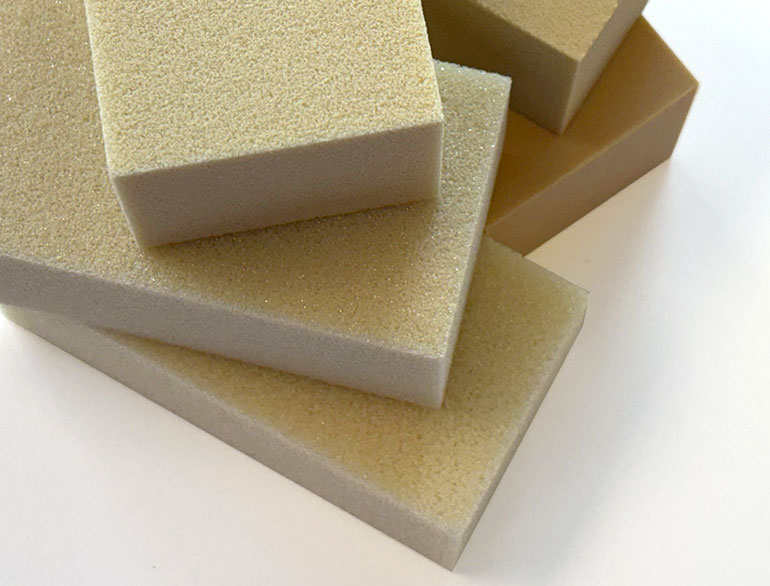
What Is Rigid Foam Board?
Rigid foam board is a type of solid insulation panel manufactured from polymer-based foam materials. These boards are designed to reduce heat transfer through walls, roofs, floors, and foundations.
Unlike loose-fill or fiberglass insulation, rigid foam boards are manufactured as dense, flat panels that provide continuous insulation layers with minimal thermal bridging.
Rigid foam boards are typically produced in standard sheet sizes and various thicknesses, making them easy to transport, cut, and install in construction assemblies.
Key Characteristics
Rigid foam boards offer several important advantages:
• High thermal resistance (R-value)
• Lightweight but structurally stable
• Excellent moisture resistance
• Long service life
• Easy installation
• Compatible with multiple building systems
Because of these properties, rigid foam boards are widely used in both residential and commercial insulation systems.
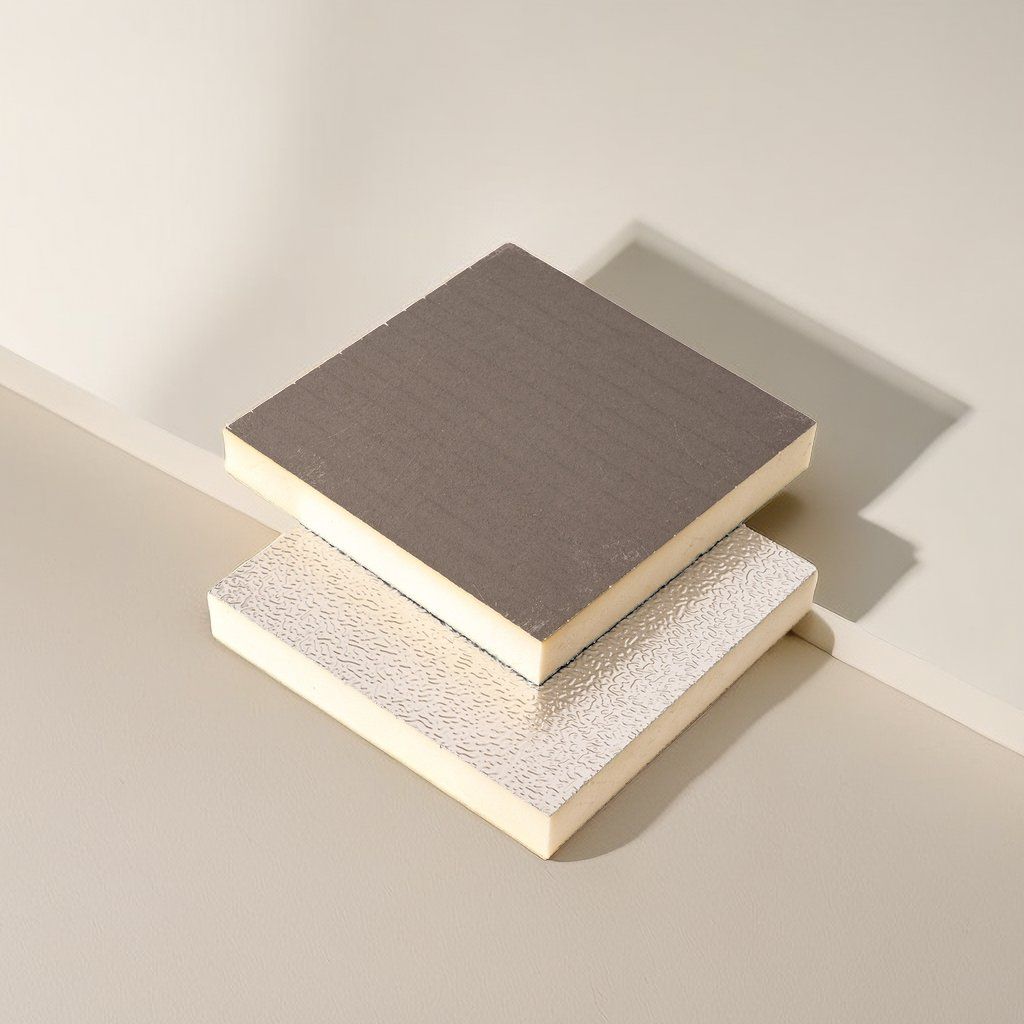
Types of Rigid Foam Board
Rigid foam insulation boards are primarily categorized based on the foam material used during manufacturing.
Expanded Polystyrene (EPS) Foam Board
EPS foam board is one of the most economical rigid insulation materials available. It is produced by expanding polystyrene beads using steam and molding them into rigid panels.
Advantages
- Cost-effective insulation solution
- Lightweight and easy to handle
- Good thermal resistance
- Widely available
Typical Applications
- Exterior wall insulation
- Insulated concrete forms
- Roof insulation systems
- Packaging and protective insulation
Although EPS provides good insulation performance, it has slightly higher moisture absorption compared with other foam boards.
Extruded Polystyrene (XPS) Foam Board
XPS foam board is manufactured through an extrusion process that produces a closed-cell foam structure. This structure provides superior moisture resistance and higher compressive strength.
Advantages
- Excellent moisture resistance
- High compressive strength
- Consistent R-value
- Durable in harsh environments
Typical Applications
- Foundation insulation
- Basement wall insulation
- Under-slab insulation
- Exterior wall insulation
Because of its strength and durability, XPS is commonly used in structural insulation applications.
Polyisocyanurate (Polyiso) Foam Board
Polyiso foam board is considered one of the highest-performing rigid insulation materials available. It offers the highest R-value per inch among common rigid foam boards.
Advantages
- High thermal performance
- Good fire resistance
- Lightweight
- Often foil-faced for enhanced performance
Typical Applications
- Commercial roof insulation
- Industrial building insulation
- HVAC duct insulation
- High-performance building envelopes
Polyiso boards are frequently used in commercial construction due to their superior thermal efficiency.
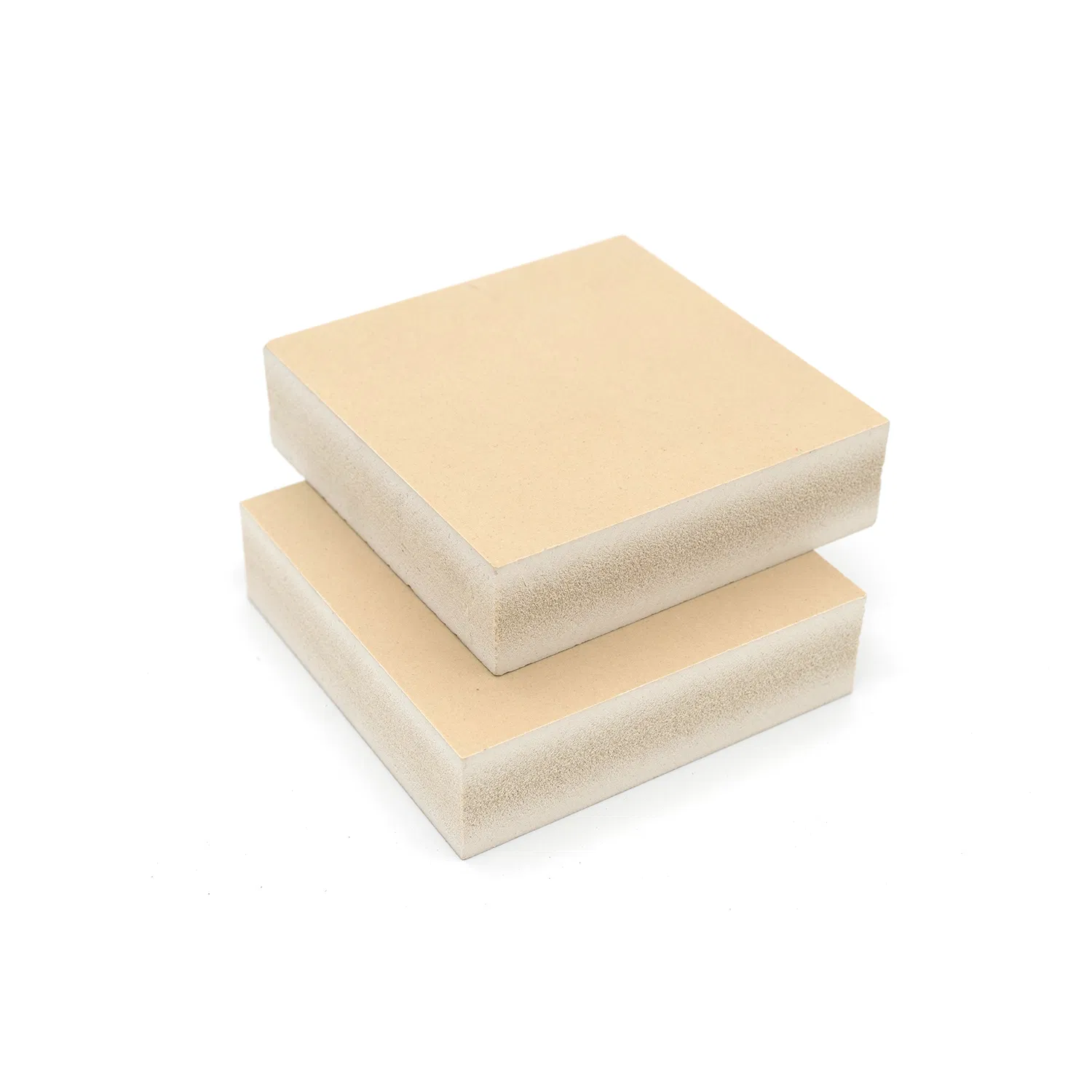
Thermal Performance of Rigid Foam Board
The primary purpose of rigid foam insulation is to reduce heat transfer. This is measured using R-value, which indicates thermal resistance.
Typical R-Values per Inch
| Material | R-Value |
|---|---|
| EPS | R-3.6 – R-4.2 |
| XPS | R-4.5 – R-5.0 |
| Polyiso | R-6.0 – R-6.5 |
Higher R-values mean better insulation performance.
Because rigid foam boards provide high insulation values with minimal thickness, they are ideal for modern energy-efficient construction.
Advantages of Rigid Foam Board Insulation
Rigid foam board insulation provides several important benefits that make it a preferred choice for builders and engineers.
Energy Efficiency
Rigid foam board significantly reduces heat transfer through building envelopes, helping maintain indoor temperature and reduce heating and cooling costs.
Moisture Resistance
Closed-cell foam boards resist water absorption, preventing moisture-related damage such as mold growth or insulation degradation.
Lightweight Structure
Rigid foam boards are lightweight and easy to transport, making installation faster and more efficient.
Durability
Rigid foam insulation panels can last decades without losing performance when properly installed.
Reduced Thermal Bridging
Rigid boards can be installed as continuous insulation layers, reducing thermal bridging through structural framing.
Applications of Rigid Foam Board
Rigid foam boards are used in many industries due to their versatile insulation performance.
Building Construction
Rigid foam insulation boards are widely used in residential and commercial construction.
Typical applications include:
- Exterior wall insulation
- Interior wall insulation
- Roof insulation
- Basement insulation
- Foundation insulation
Continuous rigid foam insulation is particularly effective at improving building energy performance.
Cold Storage and Refrigeration
Rigid foam board insulation is commonly used in cold chain logistics and temperature-controlled facilities.
Applications include:
- Cold storage warehouses
- Refrigerated transport vehicles
- Food processing plants
- Ice storage facilities
High insulation performance helps maintain stable temperatures and reduce energy consumption.
Industrial Insulation
Industrial facilities use rigid foam board insulation to protect equipment and maintain thermal efficiency.
Examples include:
- Industrial buildings
- Pipe insulation systems
- HVAC duct insulation
- Clean room construction
Rigid foam panels help maintain controlled environmental conditions in industrial environments.
Sandwich Panels
Rigid foam cores are widely used in composite sandwich panel systems.
These panels typically consist of:
Metal skins + rigid foam core
Applications include:
- Prefabricated buildings
- Insulated wall panels
- Cold room panels
- Roof sandwich panels
The foam core provides both insulation and structural support.
Installation Methods for Rigid Foam Board
Proper installation is critical to achieving optimal insulation performance.
Mechanical Fastening
Rigid foam boards can be attached using screws, anchors, or insulation fasteners.
Adhesive Bonding
Special foam-safe adhesives can be used to bond rigid boards to surfaces such as concrete or drywall.
Layered Installation
Multiple layers of rigid foam board can be installed to achieve higher R-values.
Sealing Joints
Sealing seams between panels using tape or spray foam helps prevent air leakage and improves insulation performance.
Rigid Foam Board vs Other Insulation Materials
Rigid foam board insulation is often compared with other common insulation materials.
| Insulation Type | Advantages | Limitations |
|---|---|---|
| Fiberglass | Low cost | Lower R-value per inch |
| Spray foam | Excellent air sealing | Higher cost |
| Mineral wool | Fire resistant | Lower insulation efficiency |
| Rigid foam board | High R-value, moisture resistance | Requires protective covering |
Rigid foam boards offer one of the best balances between insulation performance and cost.
Environmental Considerations
Modern rigid foam board manufacturers are improving environmental performance by:
- Using low global warming potential blowing agents
- Increasing recyclability
- Reducing energy consumption during manufacturing
Energy-efficient insulation materials contribute to sustainable building design and lower carbon emissions.
How to Choose the Right Rigid Foam Board
Selecting the correct rigid foam board depends on several factors.
Climate Conditions
Cold climates require higher R-value insulation.
Moisture Exposure
High-moisture environments benefit from XPS or closed-cell foam boards.
Structural Load Requirements
High-density foam boards provide greater compressive strength.
Building Codes
Local construction codes often specify minimum insulation requirements.
Future Trends in Rigid Foam Board Technology
The insulation industry continues to innovate with new rigid foam materials and manufacturing technologies.
Emerging trends include:
- Advanced composite insulation panels
- Improved fire-resistant foam formulations
- Eco-friendly foam production methods
- Higher thermal efficiency materials
These innovations are helping rigid foam boards remain one of the most important insulation solutions for modern construction.
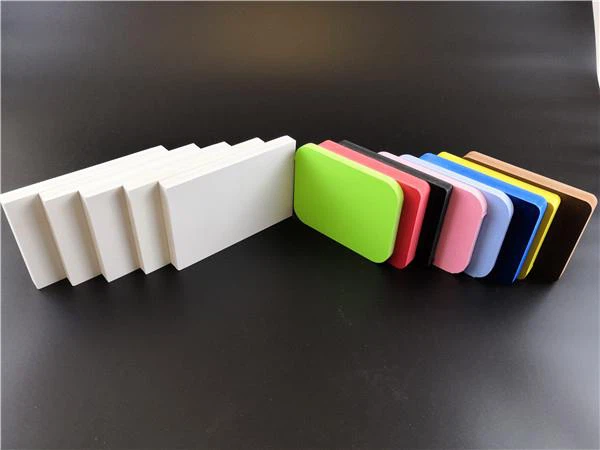
Conclusion
Rigid foam board insulation plays a critical role in improving energy efficiency, structural durability, and environmental performance in buildings and industrial systems.
With multiple material options—including EPS, XPS, and polyiso—rigid foam boards provide flexible insulation solutions for a wide range of applications.
As energy standards continue to increase worldwide, rigid foam board insulation will remain a key material in sustainable construction and advanced building systems.
