
What Are Core Materials? The Backbone of Modern Lightweight Structures
In the world of advanced manufacturing and construction, the term core materials refers to the central layer in a sandwich-structured composite. While the outer skins (like aluminum or fiberglass) handle tensile and compressive loads, the core material—often a lightweight foam—keeps the two skins apart and handles shear stress.
From the foam core in a wind turbine blade to the insulated panel in a refrigerated truck, these materials are the unsung heroes of efficiency. This article breaks down the most common foam core materials available on the market today, their specific commercial applications, and why they dominate sales in sectors ranging from logistics to renewable energy.
Understanding the Value of Foam Core Materials
Before diving into the list of applications, it’s crucial to understand why engineers and purchasing managers opt for foam cores over solid materials. The key value proposition is Stiffness-to-Weight Ratio.
By separating two stiff skins with a thick, light core, the structure’s moment of inertia increases dramatically with almost zero weight penalty. This translates directly to:
- Fuel Savings: Less weight in transport (trucks, planes, ships).
- Cost Reduction: Less raw material used than a solid plastic or metal plate.
- Thermal Insulation: Most foam core materials (especially closed-cell varieties) are excellent insulators.
Top 10 Market Applications and the Specific Foam Core Used
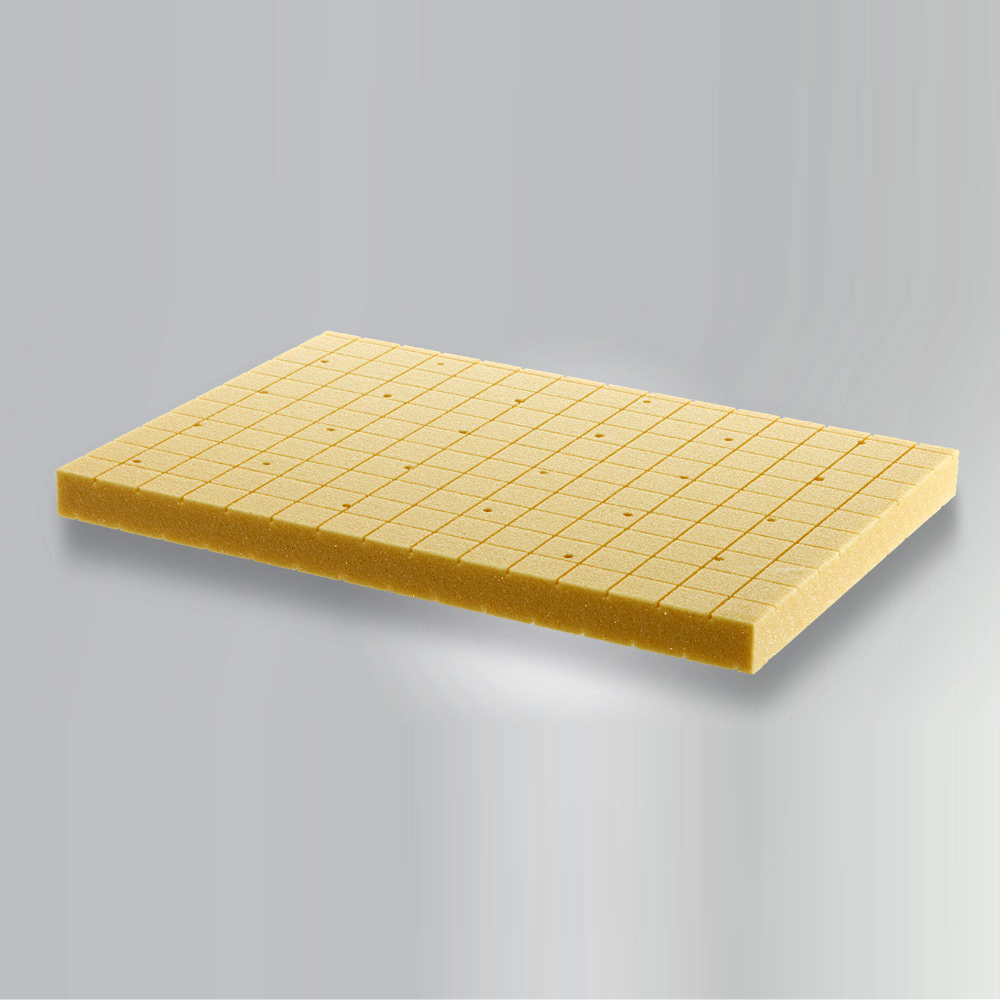
Based on current market sales volume and procurement trends, here are the ten major commercial sectors driving the demand for core materials.
1. Wind Energy Blades (High-Performance Sales Segment)
This is the largest revenue driver for structural foam core suppliers like 3A Composites and Diab.
- Core Material Used: PVC Foam (Polyvinyl Chloride) and PET Foam (Polyethylene Terephthalate).
- Market Insight: PET foam is rapidly taking market share from PVC because it is 100% recyclable and more cost-stable. It forms the shear web and shell panels of multi-megawatt turbine blades.
- SEO Keyword: Structural foam core for wind blades.
2. Cold Chain Logistics & Refrigerated Trucks (Reefer Trailers)
Every refrigerated truck on the highway relies on a foam core panel to keep perishables cold while keeping the trailer light enough to maximize payload.
- Core Material Used: PIR Foam (Polyisocyanurate) and High-Density PU Foam.
- Market Insight: Stringent food safety regulations (FSMA) and the rise of grocery e-commerce have led to a boom in insulated core panel sales for truck bodies and modular cold storage warehouses.
3. Automotive Interior Trim & Battery Protection
As electric vehicles (EVs) push for range extension, every gram counts. Foam core technology is essential for parts you don’t see.
- Core Material Used: EPP Foam (Expanded Polypropylene) and PET Foam.
- Application:
- Headliners & Door Panels: Lightweight foam cores provide acoustic absorption.
- EV Battery Pack Underbody Shields: A foam core sandwich deflects road debris impacts while being lighter than solid aluminum skid plates.
4. Marine: From Luxury Yachts to Work Boats
The marine industry was the pioneer of core materials with the invention of fiberglass sandwich construction.
- Core Material Used: PVC Foam (for strength), SAN Foam (for toughness), and Balsa Wood (natural core).
- Sales Trend: While balsa is traditional, cross-linked PVC foam cores are the go-to for high-speed military and rescue craft because they resist water absorption and dynamic fatigue.
5. Architectural Facades & Cladding
Modern skyscrapers rarely use solid stone or concrete for their exterior faces; they use foam core panels to reduce structural steel needs.
- Core Material Used: FRPE (Fire-Retardant Polyethylene) and Mineral Wool Core (with foam sealing edges).
- Keyword Focus: Aluminum composite panel core.
6. Mass Transit: High-Speed Rail Interiors
Trains require materials that are not only light but also meet the strictest FST (Fire, Smoke, Toxicity) standards.
- Core Material Used: Phenolic Foam Core and PET Foam.
- Application: Flooring systems and wall liners in subway cars. Phenolic foam is unique because it chars rather than melts, providing essential passenger evacuation time.
7. Sports Equipment & Footwear (High-Volume Consumer Sales)
While industrial cores are thick, the consumer market uses micro-thin foam cores for comfort.
- Core Material Used: EVA Foam Core and PEBA Foam (Supercritical Foaming).
- Market Application: The midsole of running shoes is essentially a precision-engineered foam core structure designed for energy return. Additionally, surfboard blanks rely on EPS foam cores shaped and glassed for wave riding.
8. Aerospace Interiors & Cargo Floors
Weight saved in an airplane translates directly to annual fuel savings in the millions of dollars.
- Core Material Used: PMI Foam Core (Polymethacrylimide).
- Market Niche: PMI (Rohacell is a common trade name) is the gold standard for helicopter rotor blades and aircraft cargo hold floor panels. It withstands the high heat and pressure of autoclave curing.
9. HVAC Ducting & Industrial Insulation
This is the “silent giant” of the foam core market. Pre-insulated ductwork is standard in all new commercial building projects.
- Core Material Used: PIR Foam Core faced with aluminum foil.
- Sales Advantage: Using foam core panels eliminates the need for separate ductwork plus fiberglass wrap. It’s a single-step installation solution preferred by mechanical contractors.
10. Exhibition Stands & Signage (Visual Communications)
Sometimes the simplest application drives the most volume. The “foam board” you see at a science fair is a foam core product.
- Core Material Used: Polystyrene (PS) Foam Core.
- Commercial Term: Often sold as Foamcore® (a trademarked name) or Gatorfoam.
- Application: Point-of-purchase displays, architectural models, and photography mounting. It cuts easily with a blade and accepts vinyl graphics perfectly.
How to Select the Right Foam Core Material for Your Project
When sourcing core materials for commercial use, consider these three non-negotiable factors:
- Density: Measured in kg/m³. Higher density = Higher strength but Higher cost. Wind blades use 80-200 kg/m³; Packaging uses 15-30 kg/m³.
- Closed vs. Open Cell:
- Closed Cell (PVC, PET, PU): Impervious to water. Essential for marine and outdoor use.
- Open Cell (Melamine, Reticulated PU): Excellent for sound absorption but absorbs moisture like a sponge.
- Processing Temperature: Will the core survive the lamination process? If using prepreg curing at 130°C, you cannot use standard EPS (it melts); you need PET or PMI.
The Future of Foam Core Sales: Sustainability is Key
The foam core materials market is currently undergoing a green revolution. Procurement managers are increasingly demanding Recycled PET (rPET) cores made from plastic bottles. This trend is especially strong in Europe, where Extended Producer Responsibility (EPR) laws penalize the use of non-recyclable thermoset foams.
Frequently Asked Questions (FAQ) About Core Materials
Q: What is the cheapest foam core material for large projects?
A: EPS (Expanded Polystyrene) remains the most economical core material per cubic meter. However, it has lower mechanical properties and poor solvent resistance. For a balance of cost and performance, PET foam is the current industry sweet spot.
Q: Can foam core materials be used outdoors?
A: Yes, but only specific types. Closed-cell PVC and PET are hydrophobic and ideal for marine and exterior cladding. Avoid open-cell foams outdoors as freeze-thaw cycles will destroy them.
Q: Where can I buy sheet foam core for small-scale modeling?
A: Look for “Foam Board” or “Foam Core Sheets” at art supply stores, framing shops, or industrial plastics distributors. Standard sizes are typically 4×8 feet in thicknesses of 3mm (1/8″) or 5mm (3/16″).
