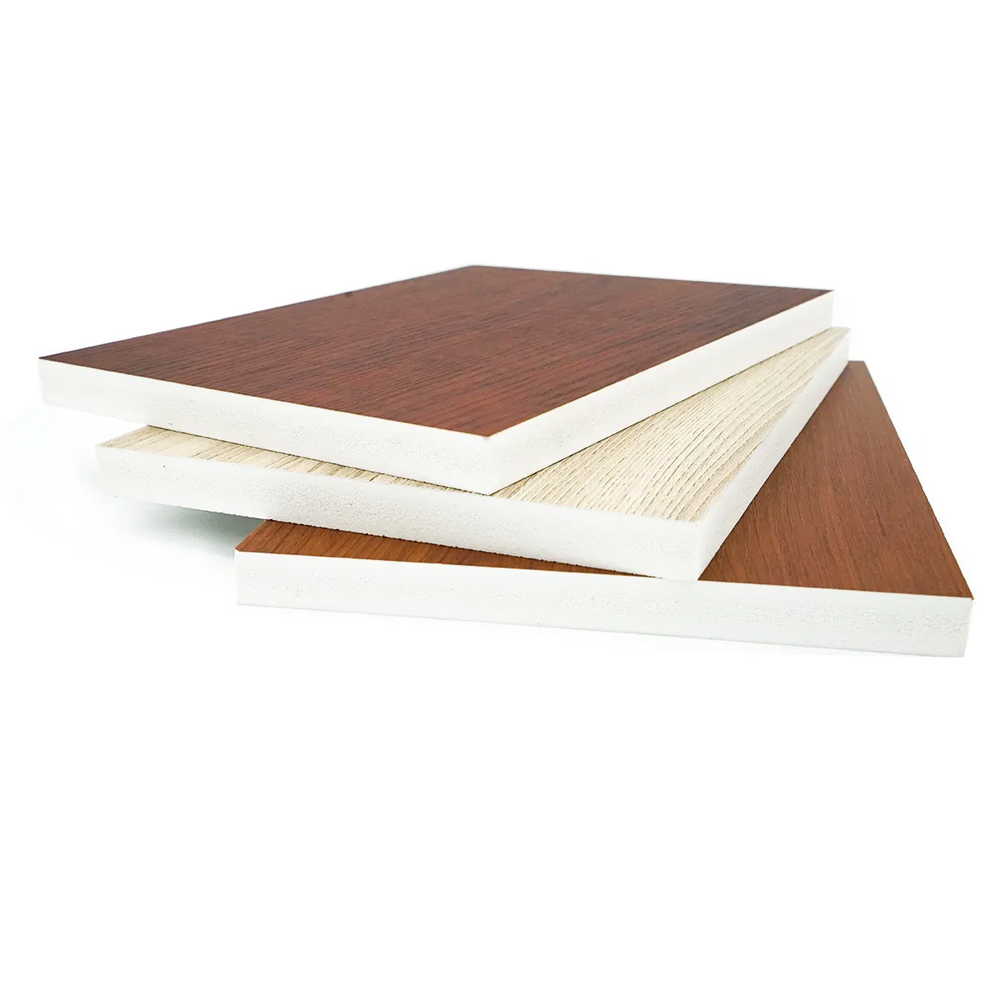
Water absorption is a critical performance factor when selecting composite core materials, especially for marine structures, outdoor construction panels, bathrooms, cold-storage systems, transportation equipment, and other applications exposed to humidity or liquid water.
When a core absorbs water, several problems may occur. The first is increased structural weight. Although the amount of absorbed water may appear small, large sandwich structures can accumulate significant additional mass. The second concern is potential degradation of mechanical properties. Long-term moisture exposure can affect the core itself, the adhesive interface, and the surrounding composite skins.
Foam cores with closed-cell structures generally provide better moisture resistance than highly open cellular materials, but the actual performance depends on material chemistry, manufacturing quality, surface condition, and processing.
One common procurement mistake is to accept statements such as “waterproof,” “water resistant,” or “low water absorption” without requesting quantitative test data. Professional buyers should request water absorption values together with the testing method, exposure time, temperature, sample dimensions, and conditioning procedure.
The edges of composite core materials also deserve special attention. Even when the core has excellent bulk water resistance, cutting, drilling, machining, and installation can expose the internal structure. If these areas are not properly sealed, moisture may enter through the edges or around fasteners.
For marine applications, long-term moisture resistance is especially important because the structure may experience continuous exposure to humidity and saltwater. For outdoor building panels, thermal cycling combined with moisture can also create stresses at the skin-to-core interface.
Water absorption can also affect dimensional stability. A core that changes dimensions after prolonged moisture exposure may introduce internal stresses into the sandwich panel.
Therefore, procurement specifications should consider water absorption together with compressive strength retention, shear strength retention, dimensional stability, and bonding performance after environmental conditioning.
For high-value projects, buyers may request both short-term water absorption data and accelerated aging results. This provides a better indication of long-term performance than a simple short-duration immersion test.
When evaluating composite core materials, water resistance should therefore be treated as a complete system requirement. The core material, adhesive, skins, edges, joints, and installation details must work together to prevent moisture-related degradation.