
PVC Sheeting: A Complete Guide to Durable, Versatile, and Cost-Effective Plastic Sheet Solutions
In today’s industrial and commercial markets, materials are expected to do more than simply perform one function. Buyers want products that are durable, lightweight, easy to fabricate, resistant to moisture, and cost-effective over the long term. This is why PVC sheeting has become one of the most widely used plastic sheet materials across multiple industries worldwide.
From construction and advertising to furniture manufacturing, transportation, healthcare, agriculture, and industrial fabrication, PVC sheeting offers a practical balance between performance and affordability. Whether you need rigid panels for wall cladding, flexible sheets for protective curtains, or chemical-resistant liners for industrial use, PVC sheeting can meet a wide range of technical and commercial needs.
This guide explains what PVC sheeting is, its main types, advantages, specifications, applications, and how to choose the right product for your business.
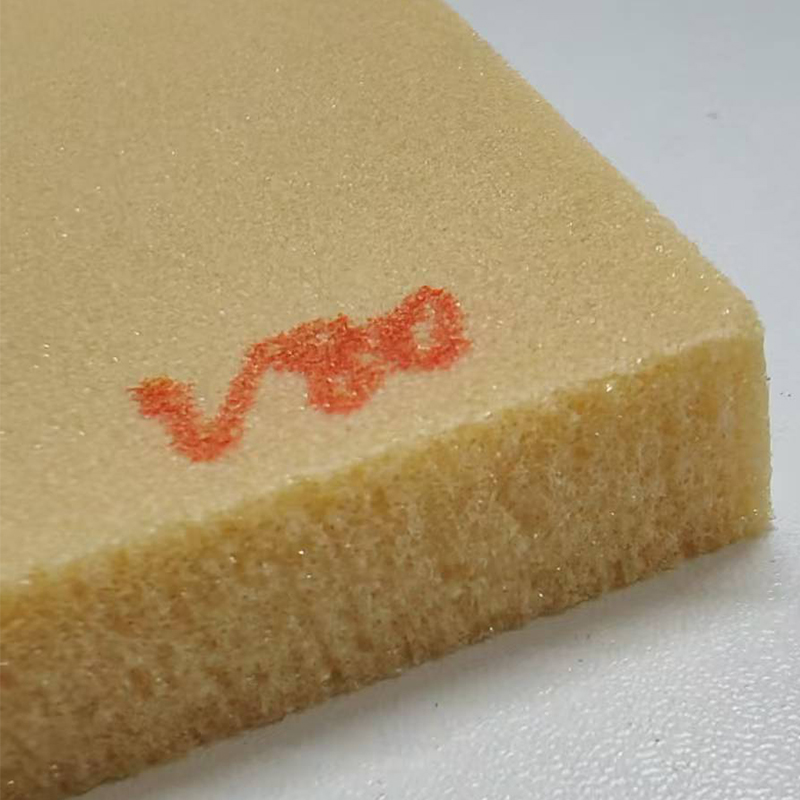
What Is PVC Sheeting?
PVC sheeting refers to sheet materials made from polyvinyl chloride (PVC) resin. Depending on production methods and additives, PVC sheets can be rigid, semi-rigid, or flexible.
PVC is one of the world’s most commonly used thermoplastics because it is:
- Durable
- Easy to process
- Flame retardant
- Water resistant
- Chemically stable
- Affordable compared with many alternatives
PVC sheeting can be manufactured in different thicknesses, colors, densities, and surface finishes, making it suitable for countless applications.
Main Types of PVC Sheeting
PVC sheeting is generally divided into several categories based on structure and performance.
1. Rigid PVC Sheeting
Rigid PVC sheets are hard, dimensionally stable panels used where structural strength is required.
Common uses include:
- Wall panels
- Machine guards
- Cabinet panels
- Sign boards
- Chemical tanks
2. PVC Foam Sheeting
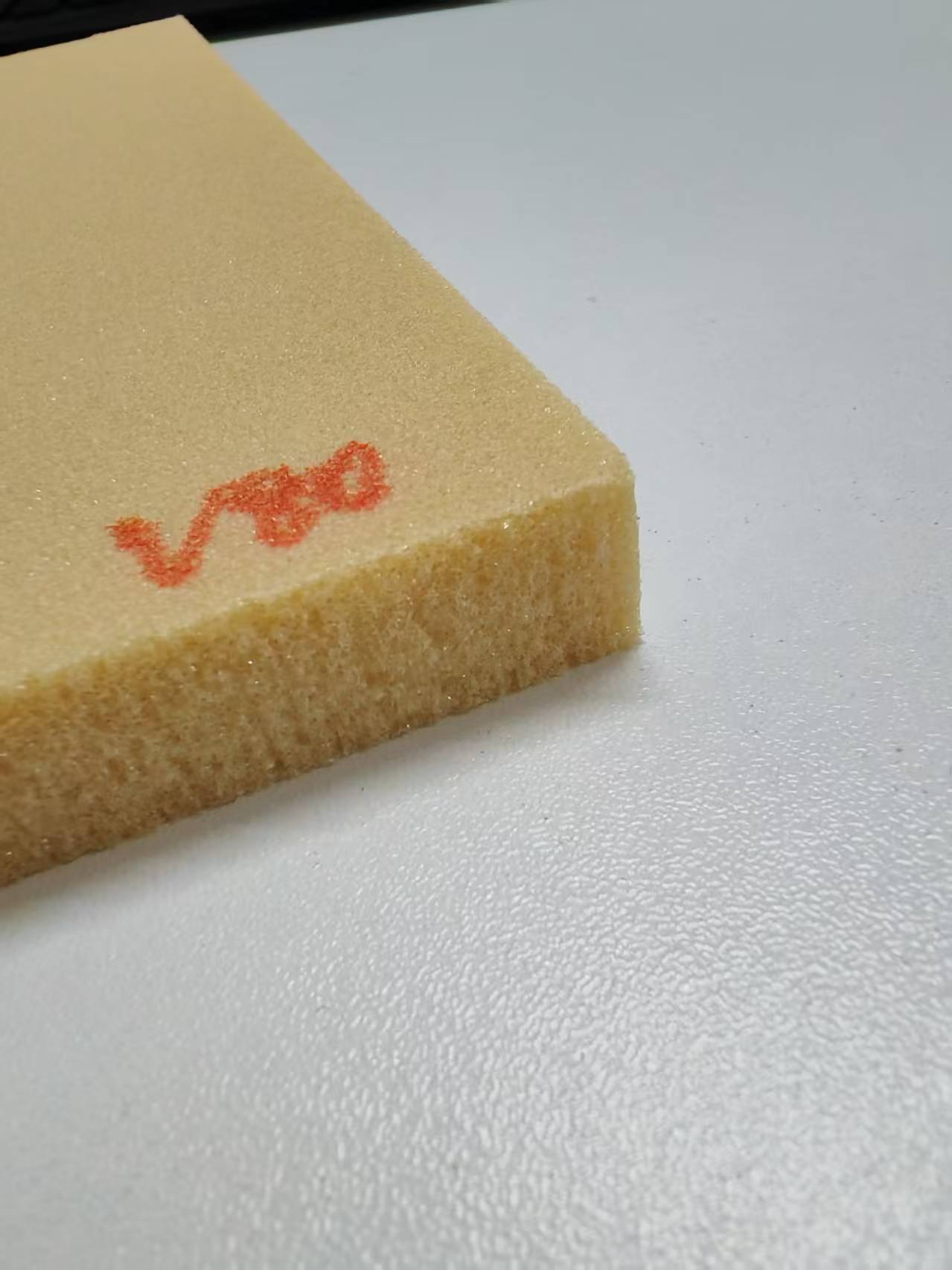
PVC foam sheets contain a cellular internal structure that reduces weight while maintaining rigidity.
Common uses include:
- Advertising boards
- Interior decoration
- Furniture panels
- Display stands
- Lightweight partitions
3. Flexible PVC Sheeting
Flexible PVC contains plasticizers to make it soft and bendable.
Common uses include:
- Curtains
- Protective covers
- Table covers
- Packaging sheets
- Industrial strip doors
4. Transparent PVC Sheeting
Clear PVC sheets provide visibility and impact resistance.
Common uses include:
- Safety windows
- Protective barriers
- Packaging
- Display covers
Key Advantages of PVC Sheeting
PVC sheeting remains popular because it offers multiple performance benefits in one material.
1. Water Resistance
Unlike wood-based materials, PVC does not absorb moisture easily. It resists swelling, rotting, and mold growth, making it ideal for humid environments.
Applications include:
- Bathrooms
- Kitchens
- Outdoor signs
- Agricultural buildings
2. Chemical Resistance
PVC performs well against many acids, alkalis, salts, and industrial cleaning agents.
This makes it useful for:
- Chemical processing plants
- Laboratories
- Wastewater treatment systems
- Protective liners
3. Lightweight and Easy Handling
Compared with metal sheets or thick plywood, many PVC sheeting products are lighter, reducing transport and installation costs.
4. Easy Fabrication
PVC sheeting can often be:
- Cut
- Drilled
- Routed
- Welded
- Printed
- Glued
- Thermoformed
This reduces production complexity for manufacturers.
5. Cost Efficiency
PVC sheeting often provides lower total project cost than stainless steel, aluminum, acrylic, or engineered wood in many non-structural applications.
Typical Technical Specifications
PVC sheeting can be customized according to project requirements.
| Property | Common Range |
|---|---|
| Thickness | 0.3mm – 30mm |
| Width | 1000mm – 2050mm |
| Length | Custom / Roll / Sheet |
| Density | 0.35 – 1.45 g/cm³ |
| Surface | Matte / Glossy / Textured |
| Color | White / Black / Grey / Clear / Custom |
| Flame Retardant | Available |
| UV Resistance | Optional |
PVC Sheeting vs Other Materials
| Property | PVC Sheeting | Plywood | Acrylic | Aluminum |
|---|---|---|---|---|
| Waterproof | Excellent | Poor | Excellent | Excellent |
| Weight | Light | Medium | Medium | Heavy |
| Cost | Competitive | Medium | High | High |
| Chemical Resistance | Good | Poor | Fair | Good |
| Easy Printing | Excellent | Fair | Good | Fair |
| Maintenance | Low | Medium | Low | Low |
PVC sheeting is often selected when users need performance without excessive material cost.
Major Applications of PVC Sheeting
Construction Industry
PVC sheeting is widely used in modern building systems.
Examples:
- Interior wall panels
- Ceiling panels
- Partition boards
- Decorative laminated boards
- Window infill panels
Because it is moisture resistant, it is especially useful in kitchens, washrooms, and basements.
Advertising and Signage
Rigid and foam PVC sheeting are common substrates for visual communication.
Examples:
- Digital printing boards
- Promotional signs
- Retail displays
- Exhibition booths
- Point-of-sale stands
Its smooth surface allows excellent printing quality.
Furniture Manufacturing
PVC sheeting can replace wood panels in moisture-prone environments.
Examples:
- Bathroom cabinets
- Kitchen cabinet doors
- Wardrobe back panels
- Drawer liners
- Decorative side panels
Industrial Use
Rigid PVC sheeting is often selected for technical applications.
Examples:
- Chemical tank fabrication
- Protective machine covers
- Duct systems
- Equipment partitions
- Electrical insulation panels
Agriculture
PVC sheeting is also useful in agricultural environments.
Examples:
- Livestock building partitions
- Greenhouse side panels
- Washable wall linings
- Protective covers
Processing Methods
One major advantage of PVC sheeting is its adaptability to common fabrication methods.
| Process | Suitability |
|---|---|
| CNC Cutting | Excellent |
| Sawing | Excellent |
| Drilling | Excellent |
| Gluing | Excellent |
| Welding | Good |
| Printing | Excellent |
| Thermoforming | Good |
| Laminating | Excellent |
This makes it attractive for OEM production lines.
How to Choose the Right PVC Sheeting
When sourcing PVC sheeting, buyers should consider the following factors:
1. Indoor or Outdoor Use
Outdoor use may require UV-resistant grades.
2. Structural Strength
Rigid sheets are better for load-bearing panels than flexible sheets.
3. Weight Requirements
Foam PVC sheeting is ideal when lightweight performance matters.
4. Appearance
For decorative use, surface finish and color consistency are important.
5. Chemical Exposure
Select industrial-grade rigid PVC for aggressive environments.
6. Fabrication Method
If printing is required, choose smooth-surface sheets with strong ink adhesion.
Why Importers and OEM Buyers Choose PVC Sheeting
Global buyers often prefer PVC sheeting because it helps improve competitiveness.
Benefits include:
- Stable supply chain availability
- Easy container loading due to stackable format
- Lower freight cost than heavier materials
- Broad customization options
- Strong market demand in multiple industries
PVC sheeting is especially valuable for distributors who serve construction, signage, furniture, and industrial customers simultaneously.
Quality Control Considerations
Reliable suppliers should inspect:
| QC Item | Importance |
|---|---|
| Thickness Tolerance | Accurate fabrication |
| Density Consistency | Stable weight & strength |
| Surface Flatness | Better printing & lamination |
| Color Uniformity | Better appearance |
| Edge Finish | Easier machining |
| Moisture Resistance | Long service life |
Consistent quality reduces complaints and improves repeat orders.
Future Market Trends for PVC Sheeting
The demand for PVC sheeting continues to grow due to:
- Expansion of modular construction
- Demand for lightweight materials
- Growth in signage and display markets
- Moisture-resistant furniture trends
- Industrial need for corrosion-resistant plastics
Manufacturers are also developing improved recyclable formulations and more decorative finishes.
Conclusion
PVC sheeting remains one of the most practical and versatile sheet materials available today. Its combination of durability, moisture resistance, chemical stability, easy processing, and competitive cost makes it suitable for countless industries.
Whether you need rigid industrial panels, lightweight foam boards, flexible protective sheets, or decorative interior panels, PVC sheeting offers a dependable solution.
For importers, distributors, manufacturers, and contractors, choosing the right PVC sheeting supplier can significantly improve product quality, profitability, and project performance.
