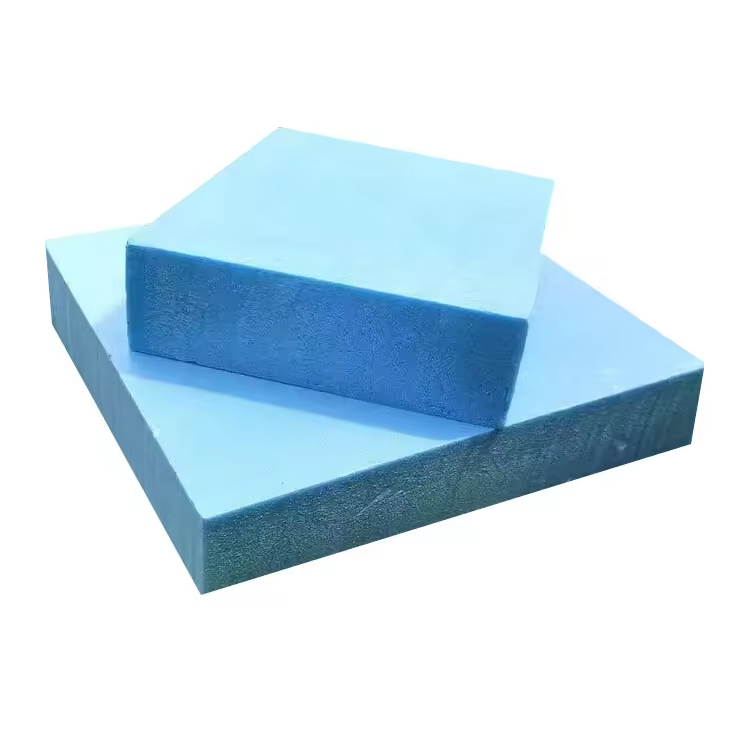
As global construction standards continue to evolve, building owners, contractors, distributors, and panel manufacturers are increasingly seeking insulation materials that deliver superior thermal performance, long-term durability, and cost efficiency. Among the available insulation core materials, XPS (Extruded Polystyrene) Foam Core has become a preferred choice for modern building insulation systems due to its unique combination of strength, moisture resistance, and energy-saving capabilities.
For wholesale buyers, however, purchasing XPS foam core is not simply about finding the lowest price. Understanding product performance, supplier capabilities, and procurement considerations is essential to ensuring long-term value and project success.
This guide provides a practical performance analysis of XPS foam core and highlights key factors buyers should evaluate when sourcing wholesale quantities for construction and composite panel applications.
Why XPS Foam Core Is Widely Used in Building Insulation
XPS foam core is manufactured through a continuous extrusion process that creates a highly uniform closed-cell structure. Unlike many traditional insulation materials, XPS combines thermal efficiency with mechanical strength, making it suitable for demanding construction environments.
Common applications include:
- Exterior wall insulation systems
- Roof insulation panels
- Cold storage facilities
- Modular buildings
- Sandwich panels
- Prefabricated houses
- Industrial buildings
- Flooring insulation systems
Its versatility has made it one of the most popular insulation materials in both residential and commercial construction projects.
Key Performance Factors Buyers Should Evaluate
1. Thermal Insulation Performance
The primary purpose of XPS foam is to reduce heat transfer and improve building energy efficiency.
High-quality XPS foam core typically offers thermal conductivity values between:
0.028–0.034 W/m·K
Lower thermal conductivity means:
- Reduced heating costs
- Lower cooling expenses
- Improved indoor comfort
- Better energy-efficiency ratings
When comparing suppliers, buyers should request thermal conductivity test reports from accredited laboratories rather than relying solely on marketing materials.
2. Moisture Resistance
Water absorption can significantly reduce insulation performance over time.
One of the biggest advantages of XPS foam is its closed-cell structure, which generally exceeds 95% closed-cell content.
Benefits include:
- Minimal water absorption
- Stable insulation performance
- Resistance to mold and mildew
- Long-term durability
For roofing systems, exterior wall applications, and humid environments, moisture resistance should be a key purchasing criterion.
3. Compressive Strength
Different construction applications require different load-bearing capacities.
Typical XPS foam grades include:
| Density | Compressive Strength |
|---|---|
| 30–35 kg/m³ | 200–300 kPa |
| 35–45 kg/m³ | 300–500 kPa |
| 45–60 kg/m³ | 500–700 kPa |
| 60+ kg/m³ | 700–1000+ kPa |
Higher-density products are commonly used in:
- Industrial flooring
- Heavy-load roofing systems
- Composite structural panels
Before purchasing, buyers should clearly define project load requirements and select the appropriate grade.
4. Dimensional Stability
Temperature fluctuations can cause inferior insulation materials to warp or shrink.
Quality XPS foam should maintain dimensional stability under varying environmental conditions.
Stable dimensions help ensure:
- Easier installation
- Better panel bonding
- Improved long-term performance
- Reduced maintenance costs
Manufacturers with advanced extrusion technology generally achieve better consistency and tighter dimensional tolerances.
How to Evaluate an XPS Foam Core Supplier
Product performance is important, but supplier capability is equally critical when purchasing wholesale quantities.
Manufacturing Capacity
A reliable supplier should have sufficient production capacity to meet both current and future demand.
Questions to ask include:
- How many production lines are available?
- What is the monthly output capacity?
- Can the supplier handle large-volume orders?
- What are the typical lead times?
Factories with multiple automated extrusion lines can often provide more stable supply and shorter delivery schedules.
Quality Control Systems
Consistent quality is essential for large construction projects.
Look for suppliers that perform:
- Raw material inspections
- Density testing
- Thickness verification
- Compression testing
- Thermal conductivity testing
- Water absorption testing
Suppliers operating under ISO 9001 quality management systems typically offer better process control and product consistency.
Certification Support
Depending on your target market, certification requirements may vary.
Common certifications include:
- ISO 9001
- CE Certification
- Fire-retardant classifications
- Environmental compliance documentation
Certified products can simplify project approvals and increase market acceptance.
Benefits of Buying XPS Foam Core Wholesale
Lower Procurement Costs
Bulk purchasing typically results in:
- Better unit pricing
- Reduced transportation costs per unit
- More favorable commercial terms
For distributors and panel manufacturers, volume purchasing can significantly improve profit margins.
Supply Chain Stability
Working with a high-capacity manufacturer helps reduce risks associated with:
- Material shortages
- Production delays
- Seasonal demand fluctuations
A stable supply chain is especially important for long-term construction projects and continuous manufacturing operations.
Custom Manufacturing Options
Many wholesale buyers require customized specifications.
Professional manufacturers can often provide:
- Custom thicknesses
- Tailored densities
- Special compressive strength grades
- Flame-retardant formulations
- Custom dimensions
Customization can reduce downstream processing costs and improve production efficiency.
Common Mistakes Buyers Should Avoid
Focusing Only on Price
The lowest-priced product may not provide the best value.
Poor-quality foam can lead to:
- Higher energy consumption
- Reduced service life
- Installation difficulties
- Increased maintenance costs
Always compare total lifecycle value rather than initial purchase price alone.
Ignoring Factory Capabilities
Some suppliers act primarily as trading companies rather than manufacturers.
Direct factory partnerships often provide:
- Better pricing
- Faster communication
- Greater customization flexibility
- Improved quality control
Whenever possible, request factory audits, production videos, or virtual factory tours.
Overlooking Technical Support
Experienced manufacturers can help buyers select the correct density, thickness, and performance grade for specific applications.
Technical guidance often reduces procurement risks and improves project outcomes.
Choosing the Right Wholesale Partner
The best XPS foam core supplier is one that combines:
- Advanced manufacturing technology
- Large-scale production capacity
- Consistent product quality
- International certifications
- Customization capabilities
- Strong export experience
- Responsive technical support
A supplier that can deliver both quality and volume becomes a valuable long-term business partner rather than simply a material vendor.
Conclusion
XPS foam core remains one of the most effective insulation materials available for modern building systems. Its excellent thermal performance, moisture resistance, compressive strength, and lightweight characteristics make it an ideal choice for a wide range of construction applications.