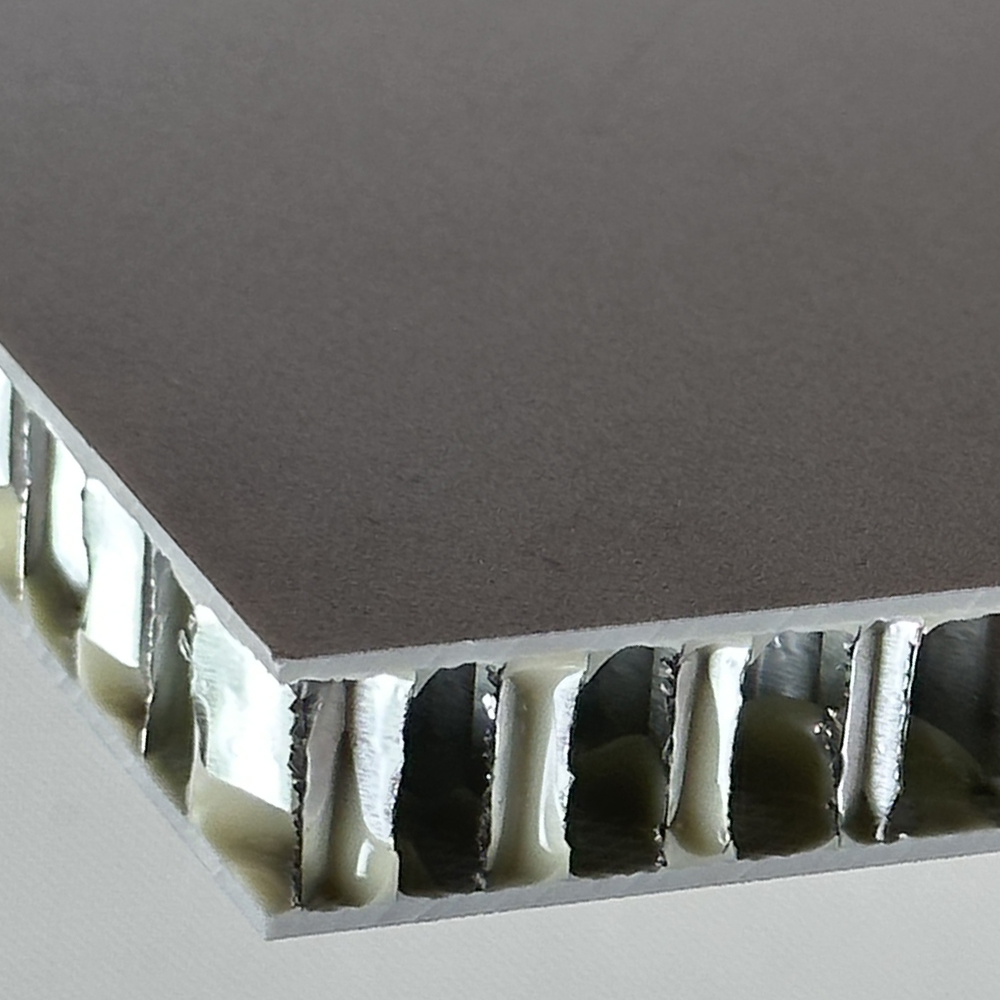
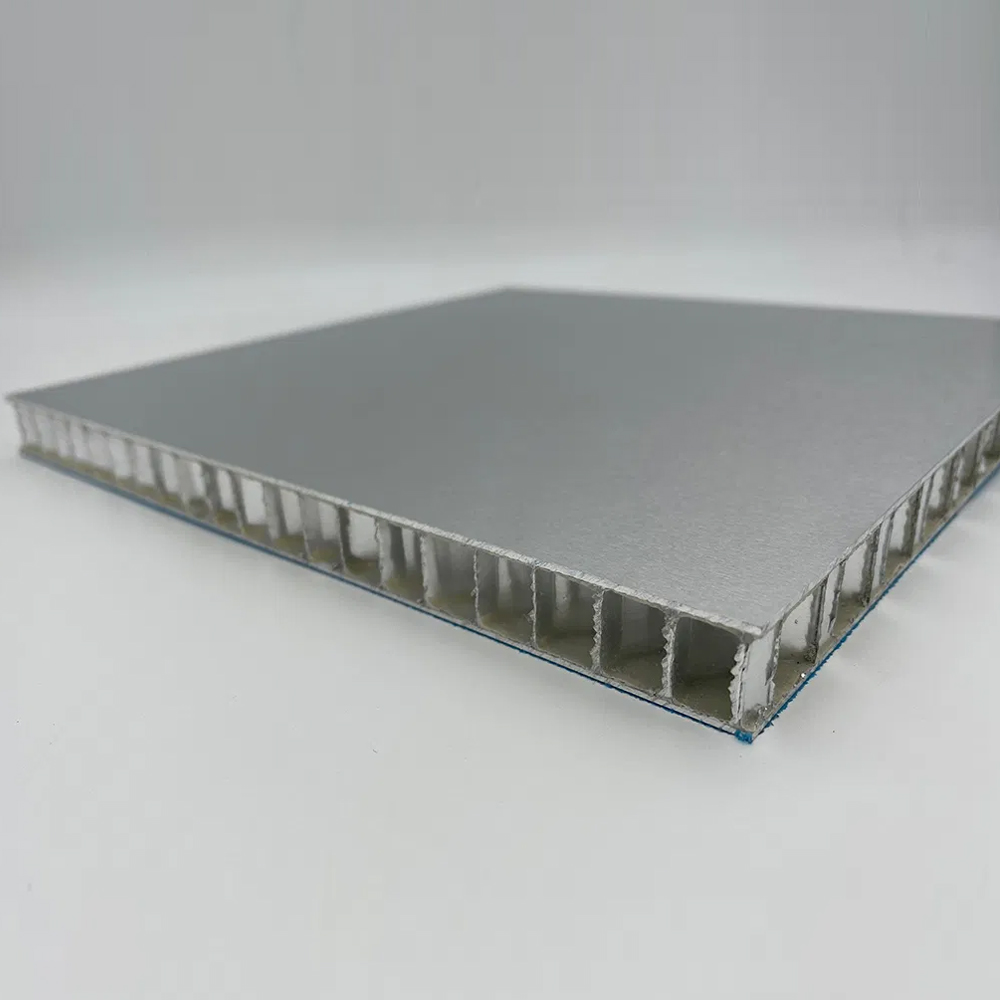
When purchasing Fiberglass Honeycomb Panels, many buyers compare products based on price, appearance, or basic specifications. However, the real performance difference between high-quality and low-quality panels comes from the details of materials, manufacturing processes, and quality control.
A Fiberglass Honeycomb Panel is an engineered composite structure. Its performance depends on the cooperation of multiple components:
- Fiberglass skin
- Resin system
- Honeycomb core
- Adhesive bonding technology
- Manufacturing process
- Quality inspection standards
Two panels with the same thickness and similar appearance can have completely different performance levels.
For professional buyers, understanding these factors is essential because the quality of the panel directly affects:
- Structural strength
- Service life
- Maintenance requirements
- Project reliability
- Overall cost efficiency
As an experienced composite material manufacturer, Foshan Onebond Building Materials Co., Ltd. explains the key factors that determine Fiberglass Honeycomb Panel quality and how buyers can make better purchasing decisions.
1. Fiberglass Skin Quality: The First Layer of Performance Protection
The fiberglass skin is the external layer of a Fiberglass Honeycomb Panel and plays an important role in protecting the internal structure.
The quality of the fiberglass skin affects:
- Surface strength
- Impact resistance
- Weather resistance
- Corrosion protection
- Overall structural performance
Fiberglass Type and Quality
Different fiberglass materials provide different mechanical properties.
Important factors include:
- Fiber strength
- Fiber distribution
- Fabric structure
- Surface treatment
High-quality fiberglass ensures better load transfer between the skin and the honeycomb core.
Poor-quality fiberglass may result in:
- Reduced strength
- Surface cracking
- Lower durability
Fiberglass Skin Thickness
Skin thickness must be properly designed according to application requirements.
A thicker skin can improve:
- Impact resistance
- Load-bearing capability
- Surface durability
However, excessive thickness may increase:
- Weight
- Material cost
A professional manufacturer should optimize fiberglass skin thickness based on actual project requirements.
2. Resin System: The Hidden Factor Behind Panel Performance
Many buyers focus on fiberglass material but overlook the importance of resin.
The resin system determines how effectively the fiberglass layers work together.
High-quality resin provides:
- Strong fiber bonding
- Better mechanical performance
- Improved environmental resistance
Important Resin Performance Factors
A suitable resin system should provide:
Excellent Adhesion
Strong bonding between:
- Fiberglass layers
- Honeycomb core
Environmental Resistance
Protection against:
- Moisture
- Temperature changes
- Chemical exposure
Long-Term Stability
The resin should maintain performance during long-term operation.
Why Resin Quality Matters
A panel may use good fiberglass but still fail if the resin system is poor.
Potential problems include:
- Delamination
- Reduced strength
- Surface defects
- Shorter service life
Therefore, resin selection is a key factor in producing reliable Fiberglass Honeycomb Panels.
3. Honeycomb Core Structure: The Foundation of Lightweight Strength
The honeycomb core is the main reason why Fiberglass Honeycomb Panels achieve excellent strength-to-weight performance.
The core provides:
- Structural thickness
- Shear strength
- Weight reduction
- Stiffness improvement
Core Material Selection
Different applications require different core materials.
Factors to consider include:
- Strength requirements
- Environmental conditions
- Weight limitations
- Budget considerations
A professional manufacturer selects the core based on the customer’s application instead of using one standard solution for all projects.
Core Density
Core density directly affects:
- Compression strength
- Impact resistance
- Panel weight
Higher density cores provide:
- Higher strength
- Better durability
Lower density cores provide:
- Lower weight
- Cost advantages
The ideal choice depends on the balance between performance and cost.
Core Thickness
Core thickness influences:
- Bending stiffness
- Structural efficiency
A properly designed honeycomb structure can achieve excellent performance without unnecessary material usage.
4. Bonding Technology: Ensuring Structural Reliability
The bonding process between fiberglass skin and honeycomb core is one of the most critical manufacturing steps.
Even high-quality materials cannot perform well without proper bonding.
A Reliable Bonding Process Requires:
Correct Adhesive Selection
The adhesive must provide:
- Strong bonding force
- Long-term stability
- Environmental resistance
Controlled Manufacturing Conditions
Important factors include:
- Temperature control
- Pressure control
- Curing time
Improper bonding may cause:
- Separation between layers
- Reduced structural strength
- Early product failure
Why Manufacturing Experience Matters
Composite panel production requires precise process control.
Experienced manufacturers understand how to optimize:
- Material combination
- Adhesive performance
- Production parameters
This directly affects final product quality.
5. Manufacturing Process Control
A high-quality Fiberglass Honeycomb Panel requires strict control throughout production.
Important production stages include:
Raw Material Inspection
Before production begins, manufacturers should verify:
- Fiberglass quality
- Core specifications
- Resin performance
Lamination Process
The lamination process affects:
- Surface quality
- Structural strength
- Thickness consistency
Panel Forming Process
Proper forming ensures:
- Flatness
- Dimensional accuracy
- Stable structure
Final Inspection
Before shipment, professional manufacturers should inspect:
- Panel thickness
- Surface appearance
- Bonding condition
- Product dimensions
6. Quality Testing Methods Buyers Should Know
Professional buyers should understand basic quality testing methods.
Common tests include:
Thickness Measurement
Ensures the panel meets customer specifications.
Density Testing
Evaluates:
- Core consistency
- Weight control
Bond Strength Testing
Measures:
- Adhesion performance
- Structural reliability
Mechanical Performance Testing
May include:
- Compression testing
- Bending testing
- Impact testing
These tests help confirm whether the panel meets application requirements.
7. Why Low-Quality Fiberglass Honeycomb Panels Fail
Low-quality panels often result from cost reduction strategies such as:
- Using inferior raw materials
- Reducing fiberglass layers
- Poor bonding processes
- Lack of quality inspection
Common problems include:
Delamination
Layers separate due to poor bonding.
Surface Damage
The outer layer may crack or deteriorate.
Reduced Strength
The panel may not meet structural requirements.
Shorter Service Life
Frequent replacement increases total project costs.
8. How Buyers Can Evaluate Fiberglass Honeycomb Panel Quality
Before purchasing, buyers should ask suppliers:
Material Questions
- What fiberglass material is used?
- What resin system is selected?
- What core material is applied?
Manufacturing Questions
- What production process is used?
- How is bonding quality controlled?
- What inspections are performed?
Performance Questions
- What are the strength specifications?
- Are samples available?
- Can testing reports be provided?
A professional manufacturer should provide clear technical information.
Why Choose Foshan Onebond Building Materials Co., Ltd.
Foshan Onebond Building Materials Co., Ltd. focuses on developing and manufacturing advanced composite material solutions for global customers.
We understand that high-quality Fiberglass Honeycomb Panels require more than good materials — they require professional engineering and strict manufacturing control.
Our advantages include:
Material Expertise
Onebond provides professional recommendations for:
- Fiberglass selection
- Core structure design
- Panel specifications
Advanced Manufacturing Process
We focus on:
- Stable production procedures
- Process control
- Quality consistency
Customized Composite Solutions
We support customers with:
✔ Customized thickness
✔ Customized dimensions
✔ Application-specific structures
✔ OEM manufacturing
Quality-Oriented Production
From raw materials to finished products, Onebond maintains strict quality management to ensure reliable performance.
Frequently Asked Questions
Q1: What is the most important factor affecting Fiberglass Honeycomb Panel quality?
The final quality depends on the combination of fiberglass skin, resin system, honeycomb core, bonding technology, and manufacturing control.
Q2: Why do some Fiberglass Honeycomb Panels have different prices?
Price differences usually come from differences in raw materials, manufacturing processes, specifications, and quality standards.
Q3: How can I verify the quality before placing a large order?
Buyers should request product samples, technical specifications, and quality information before mass production.
Choose High-Quality Fiberglass Honeycomb Panels from Onebond
Quality determines the performance and reliability of composite structures.
Foshan Onebond Building Materials Co., Ltd. provides professional Fiberglass Honeycomb Panel solutions designed for marine, transportation, industrial, and customized applications.
By combining advanced composite technology, professional manufacturing experience, and strict quality control, Onebond helps global customers achieve lightweight, durable, and reliable solutions.
Contact Onebond today for:
✔ Product specifications
✔ Technical consultation
✔ Customized solutions
✔ Factory quotation