
An Expert-Level Technical Overview of Use Cases and Performance Advantages
1. Introduction to FRP Sandwich Panels
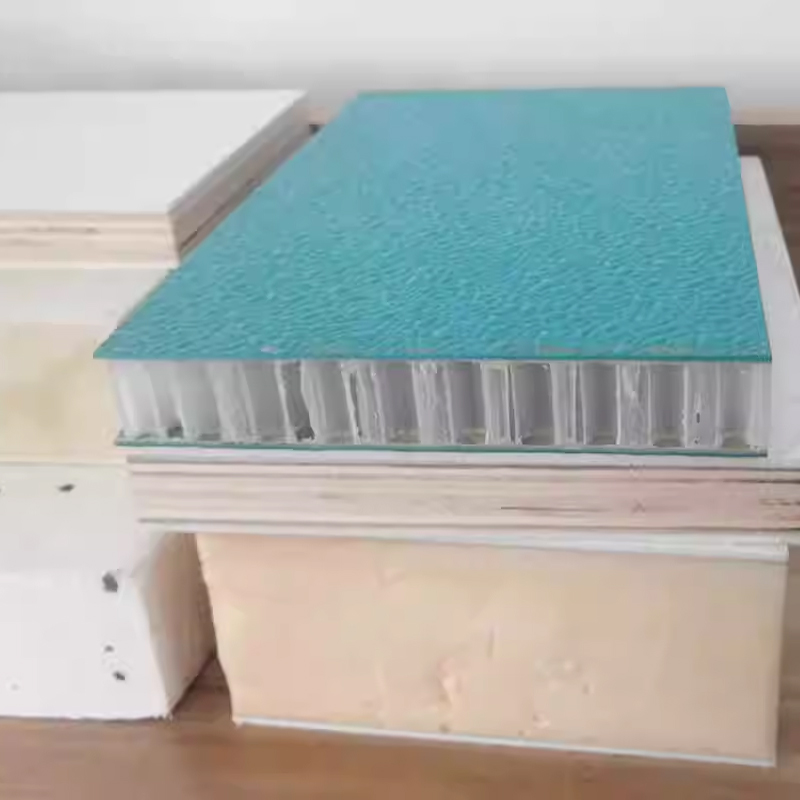
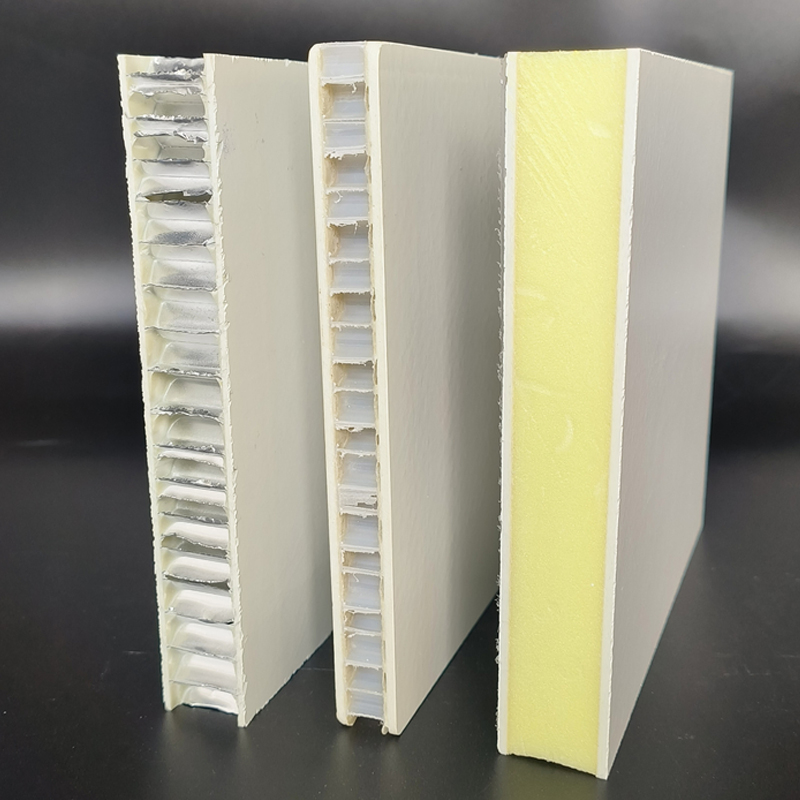
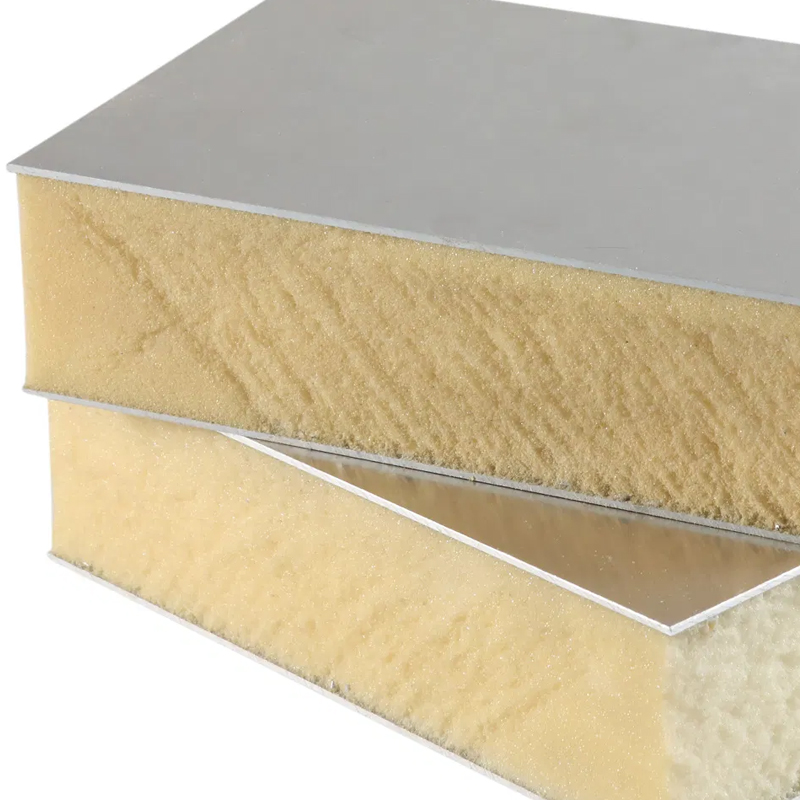
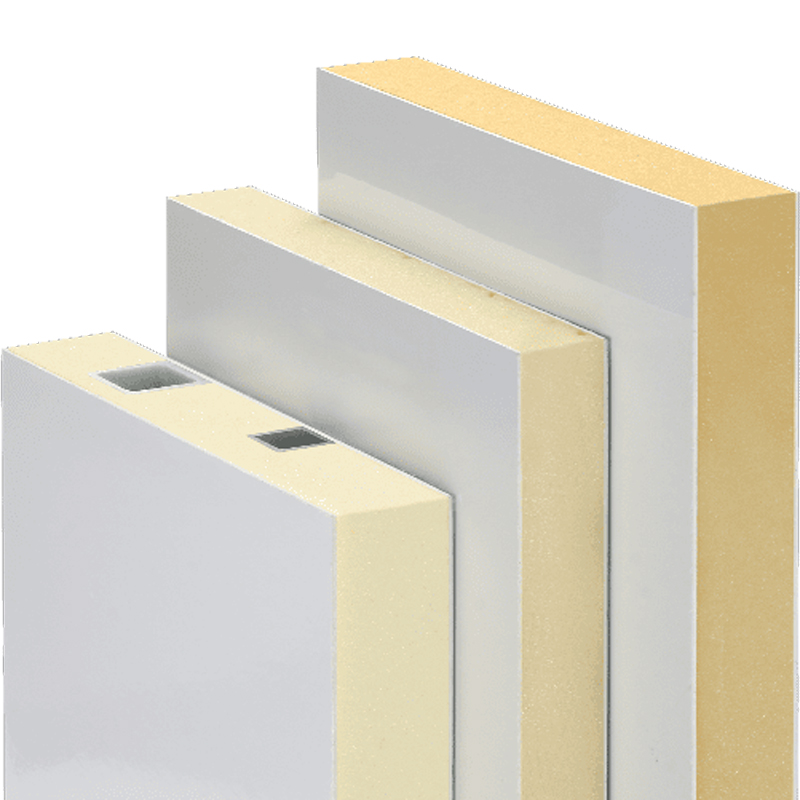
Fiber Reinforced Polymer (FRP) sandwich panels are advanced composite structures engineered to deliver an optimal balance of strength, weight reduction, durability, and environmental resistance. A typical FRP sandwich panel consists of:
- Outer skins: FRP laminates (glass fiber, carbon fiber, or hybrid reinforcement)
- Core material: Foam (PVC, PET, PU), honeycomb (aluminum, aramid), or balsa wood
This layered architecture creates a high stiffness-to-weight ratio, making FRP sandwich panels a preferred material in industries demanding structural efficiency and long-term reliability.
From a materials science perspective, the panel operates on the principle of load distribution through separated skins, where:
- The skins bear tensile and compressive stresses
- The core resists shear forces and stabilizes the structure
This configuration results in exceptional mechanical performance with minimal material usage.
2. Transportation Industry Applications
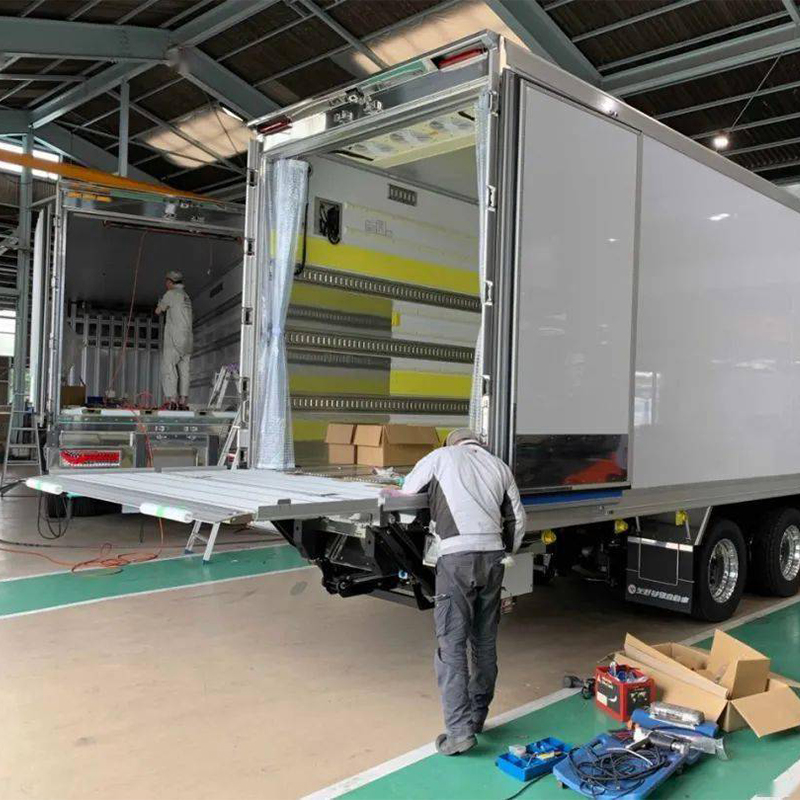
2.1 Truck Bodies and Refrigerated Vehicles
FRP sandwich panels are widely used in logistics and cold chain transportation, particularly for:
- Truck box bodies
- Refrigerated trailers
- Delivery vans
Advantages:
- Thermal Insulation: Foam cores (e.g., PU, XPS) provide low thermal conductivity, maintaining temperature stability for perishable goods.
- Lightweight Construction: Reduces vehicle weight, improving fuel efficiency and payload capacity.
- Corrosion Resistance: Unlike steel or aluminum, FRP does not oxidize, extending service life in humid or chemical environments.
- Hygienic Surface: Smooth, non-porous skins are easy to clean, meeting food-grade transport requirements.
2.2 Rail Transit and Metro Systems
Used in:
- Interior wall panels
- Flooring systems
- Ceiling panels
Advantages:
- Fire Retardancy: FRP panels can be engineered to meet strict fire safety standards (EN 45545, ASTM E84).
- Vibration Damping: Core materials absorb vibrations, improving passenger comfort.
- Weight Reduction: Lower mass contributes to energy efficiency and reduced track wear.
2.3 Marine and Shipbuilding
Applications include:
- Hull structures (small vessels)
- Deck panels
- Bulkheads
- Cabin interiors
Advantages:
- Waterproof Performance: Zero water absorption in closed-cell foam cores.
- Salt Corrosion Resistance: Ideal for marine environments where metals degrade rapidly.
- High Strength-to-Weight Ratio: Improves buoyancy and fuel efficiency.
- Low Maintenance: No need for frequent anti-corrosion coatings.
3. Construction and Architecture
3.1 Exterior Wall Cladding Systems
FRP sandwich panels are increasingly used for:
- Curtain walls
- Facade systems
- Industrial building envelopes
Advantages:
- Weather Resistance: UV-resistant gel coats protect against degradation.
- Thermal Efficiency: Reduces building energy consumption.
- Design Flexibility: Can be molded into complex shapes and textures.
- Long Lifecycle: Resistant to cracking, corrosion, and fatigue.
3.2 Interior Wall and Partition Systems
Common in:
- Clean rooms
- Hospitals
- Commercial buildings
- Modular offices
Advantages:
- Antibacterial Surfaces: Can incorporate antimicrobial coatings.
- Easy Installation: Prefabricated panels reduce construction time.
- Moisture Resistance: Ideal for high-humidity environments.
- Smooth Finish: Enhances aesthetic appeal and cleanliness.
3.3 Roofing Systems
Used for:
- Industrial roofs
- Mobile structures
- Warehouses
Advantages:
- High Load-Bearing Capacity: Despite low weight, panels withstand snow and wind loads.
- Thermal and Acoustic Insulation: Improves indoor comfort.
- Durability: Resistant to environmental stress cracking.
4. Industrial and Engineering Applications
4.1 Clean Energy Sector
FRP sandwich panels are applied in:
- Wind turbine nacelles
- Solar panel backing structures
Advantages:
- Fatigue Resistance: Withstands cyclic loading over long periods.
- Lightweight Design: Facilitates easier installation at height.
- Environmental Resistance: Performs well under UV and temperature fluctuations.
4.2 Chemical Processing Facilities
Used for:
- Tank covers
- Walkways
- Protective enclosures
Advantages:
- Chemical Resistance: Excellent resistance to acids, alkalis, and solvents.
- Non-Conductive Properties: Enhances safety in electrical environments.
- Corrosion-Free Operation: Reduces maintenance costs significantly.
4.3 Cold Storage and Controlled Environments
Applications:
- Cold rooms
- Food processing facilities
- Pharmaceutical storage
Advantages:
- Superior Insulation Performance: Maintains strict temperature control.
- Hygienic Compliance: Meets FDA and GMP standards.
- Condensation Resistance: Prevents mold and bacterial growth.
5. Furniture and Interior Design
5.1 Cabinet Panels and Furniture Boards
FRP sandwich panels are increasingly used in:
- Kitchen cabinets
- Wardrobes
- Modular furniture
Advantages:
- Warp Resistance: Core structure prevents deformation over time.
- Lightweight Handling: Easier transportation and installation.
- Moisture Resistance: Ideal for kitchens and bathrooms.
- Custom Finishes: Can mimic wood, stone, or metallic textures.
5.2 Decorative Panels
Used in:
- Retail displays
- Exhibition booths
- Interior decoration
Advantages:
- High Surface Quality: Smooth, paintable, and printable surfaces.
- Design Versatility: Supports CNC cutting and complex geometries.
- Durability: Resistant to scratches and impact.
6. Aerospace and Defense
6.1 Aircraft Interior Components
Applications include:
- Cabin panels
- Flooring systems
- Overhead compartments
Advantages:
- Ultra-Lightweight: Critical for fuel efficiency.
- Fire Resistance: Meets stringent aviation standards.
- High Strength: Supports structural integrity under load.
6.2 Military Applications
Used in:
- Mobile shelters
- Radar enclosures
- Armored vehicle interiors
Advantages:
- Impact Resistance: Can be engineered for ballistic performance.
- Thermal Stability: Performs in extreme environments.
- Stealth Compatibility: Non-metallic properties reduce radar signature.
7. Modular and Prefabricated Buildings
FRP sandwich panels are ideal for:
- Portable houses
- Emergency shelters
- Container homes
Advantages:
- Rapid Deployment: Prefabrication enables quick assembly.
- Energy Efficiency: Integrated insulation reduces energy consumption.
- Structural Integrity: Strong yet lightweight framework.
- Sustainability: Reduced material waste and recyclable components.
8. Signage and Advertising Industry
Used for:
- Billboards
- Signboards
- Display panels
Advantages:
- Smooth Printing Surface: Ideal for high-resolution graphics.
- Weather Resistance: Maintains appearance over time.
- Lightweight Installation: Reduces mounting complexity.
9. Comparative Performance Summary
| Property | FRP Sandwich Panel | Steel Panel | Aluminum Panel |
|---|---|---|---|
| Weight | Very Low | High | Medium |
| Corrosion Resistance | Excellent | Poor | Moderate |
| Thermal Insulation | Excellent | Poor | Poor |
| Strength-to-Weight | Excellent | Low | Moderate |
| Maintenance Cost | Low | High | Medium |
10. Conclusion
From a materials engineering standpoint, FRP sandwich panels represent a high-performance composite solution capable of replacing traditional materials across multiple industries. Their unique combination of:
- Lightweight structure
- Mechanical strength
- Environmental resistance
- Design flexibility
makes them indispensable in modern engineering applications.
As industries increasingly prioritize energy efficiency, durability, and sustainability, the adoption of FRP sandwich panels is expected to grow significantly, particularly in sectors such as transportation, construction, and renewable energy.
