
Introduction
The global construction industry is undergoing a significant transformation driven by increasing demand for energy-efficient buildings, lightweight construction materials, and sustainable building solutions. Among the various core materials used in composite panel manufacturing, XPS (Extruded Polystyrene) Foam Core has emerged as a highly effective solution due to its excellent thermal insulation, moisture resistance, compressive strength, and lightweight characteristics.
As large-scale construction projects, modular building systems, cold storage facilities, and prefabricated housing continue to expand worldwide, the demand for wholesale and bulk XPS foam core materials has grown rapidly. Contractors, composite panel manufacturers, distributors, and OEM suppliers are increasingly sourcing XPS foam core in large volumes to improve production efficiency and reduce procurement costs.
This research study examines the market trends, manufacturing technologies, performance advantages, procurement considerations, and future opportunities associated with wholesale and bulk XPS foam core used in composite building panels.
Understanding XPS Foam Core in Composite Building Panels
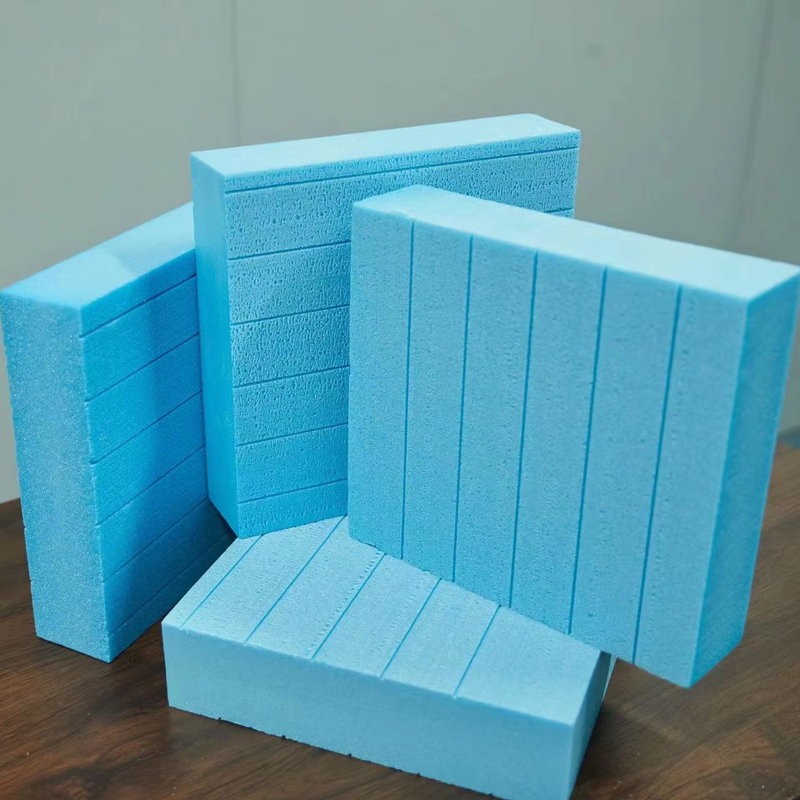
XPS foam core is a rigid, closed-cell insulation material manufactured through an extrusion process that creates a uniform cellular structure. When bonded between structural facings such as:
- Fiberglass Reinforced Plastic (FRP)
- Aluminum sheets
- Steel sheets
- Cement boards
- Decorative laminates
- Magnesium oxide boards
the resulting sandwich panel achieves an exceptional strength-to-weight ratio while maintaining superior thermal insulation properties.
Typical Composite Panel Structure
Outer Facing Material
↓
Adhesive Layer
↓
XPS Foam Core
↓
Adhesive Layer
↓
Outer Facing Material
This sandwich construction allows the panel to carry loads efficiently while minimizing overall weight.
Market Growth Driving Bulk XPS Foam Core Demand
Several global trends are contributing to increased wholesale demand for XPS foam core materials.
Energy-Efficient Construction
Governments worldwide are implementing stricter building energy regulations.
Building developers increasingly require insulation materials that provide:
- Reduced energy consumption
- Improved thermal performance
- Lower carbon emissions
- Long-term cost savings
XPS foam core offers thermal conductivity values typically ranging from:
0.028–0.034 W/m·K
making it one of the most effective insulation materials available for composite panel systems.
Growth of Prefabricated Construction
Modular and prefabricated building technologies are expanding rapidly due to:
- Faster project completion
- Reduced labor costs
- Improved quality control
- Lower construction waste
Composite panels utilizing XPS foam core are widely adopted in:
- Prefabricated houses
- Portable buildings
- Site offices
- Worker accommodations
- Educational facilities
- Healthcare units
As production volumes increase, manufacturers often purchase XPS foam core in wholesale quantities to ensure stable supply chains.
Expansion of Cold Chain Infrastructure
The growth of food processing, pharmaceuticals, and logistics industries has accelerated investment in:
- Cold storage warehouses
- Refrigerated transportation
- Distribution centers
XPS foam core provides excellent thermal resistance and moisture protection, making it ideal for insulated composite panels used in cold chain facilities.
Technical Performance Analysis
Thermal Insulation Performance
The closed-cell structure of XPS foam significantly reduces heat transfer.
Key Benefits
- Reduced HVAC energy consumption
- Improved indoor comfort
- Stable insulation performance
- Long service life
Compared with conventional insulation materials, XPS foam maintains its thermal performance even in humid environments.
Moisture Resistance
One of the primary advantages of XPS foam core is its exceptionally low water absorption rate.
Typical characteristics include:
- Closed-cell content exceeding 95%
- Water absorption below 1%
- Resistance to mold growth
- Excellent freeze-thaw durability
These properties are particularly important for roofing, exterior wall systems, and cold storage applications.
Compressive Strength
Bulk XPS foam products are available in various density and strength grades.
| Density (kg/m³) | Compressive Strength |
|---|---|
| 30–35 | 200–300 kPa |
| 35–45 | 300–500 kPa |
| 45–60 | 500–700 kPa |
| 60+ | 700–1000+ kPa |
This versatility allows panel manufacturers to select appropriate grades for specific structural requirements.
Lightweight Construction
Weight reduction remains a critical objective in modern building design.
Compared with solid construction materials, XPS-core composite panels provide:
- Easier transportation
- Lower installation costs
- Reduced structural loads
- Faster assembly
These advantages contribute significantly to overall project efficiency.
Manufacturing Technologies Supporting Bulk Supply
The quality and consistency of wholesale XPS foam core largely depend on the manufacturer’s production capabilities.
Automated Extrusion Systems
Modern factories utilize:
- Computer-controlled extrusion lines
- Automated feeding systems
- Precision temperature control
- Intelligent pressure monitoring
- Real-time quality inspection
These technologies ensure consistent product quality across large production volumes.
Continuous Production Capability
Leading manufacturers often operate:
- Multiple extrusion lines
- 24-hour production schedules
- Automated cutting systems
- High-capacity packaging facilities
Large-scale production enables suppliers to fulfill substantial wholesale orders efficiently.
Advanced Cell Structure Engineering
Modern manufacturing technology allows precise control over:
- Cell size
- Cell distribution
- Density consistency
- Surface quality
Optimized cellular structures improve both insulation performance and mechanical strength.
Wholesale Procurement Considerations
For buyers purchasing XPS foam core in bulk quantities, several key factors should be evaluated.
Production Capacity
A supplier’s manufacturing capacity directly impacts:
- Lead times
- Delivery reliability
- Inventory availability
- Scalability
High-capacity factories can support long-term procurement programs without production bottlenecks.
Quality Control Systems
Reliable suppliers implement comprehensive quality management systems.
Key quality checks include:
- Raw material inspection
- Density verification
- Thickness measurement
- Compression testing
- Thermal conductivity testing
- Water absorption testing
ISO-certified factories often provide greater consistency and traceability.
Customization Capabilities
Wholesale buyers frequently require customized specifications.
Common customization options include:
Thickness
- 5 mm
- 10 mm
- 20 mm
- 30 mm
- 50 mm
- 80 mm
- 100 mm
- 120 mm+
Density
- Standard insulation grades
- High-strength grades
- Heavy-duty structural grades
Surface Treatment
- Smooth finish
- Grooved finish
- Composite-ready surfaces
Customization improves manufacturing efficiency for panel producers.
Cost Advantages of Bulk Purchasing
Large-volume procurement offers significant economic benefits.
Reduced Unit Cost
Bulk purchasing allows buyers to benefit from:
- Lower production costs
- Optimized logistics
- Volume discounts
- Stable pricing agreements
Improved Inventory Management
Strategic wholesale purchasing helps manufacturers:
- Maintain production continuity
- Reduce emergency sourcing
- Minimize supply disruptions
Stronger Supplier Partnerships
Long-term purchasing agreements often result in:
- Priority production scheduling
- Technical support
- Product development collaboration
- Better commercial terms
Sustainability and Environmental Benefits
Modern construction increasingly prioritizes sustainability.
XPS foam core contributes to environmental objectives through:
Energy Conservation
Superior insulation reduces building energy consumption over decades of operation.
Resource Efficiency
Lightweight composite panels require fewer structural materials.
Long Service Life
Durability reduces replacement frequency and lifecycle costs.
Recyclable Production Practices
Many advanced factories incorporate material recycling systems that reduce manufacturing waste.
Future Trends in XPS Foam Core Applications
Several emerging trends are expected to drive future demand.
Net-Zero Energy Buildings
Stricter energy standards will increase demand for high-performance insulation materials.
Modular Construction Expansion
Industrialized building methods continue to gain market share globally.
Smart Building Systems
Energy-efficient building envelopes increasingly rely on advanced insulation technologies.
Green Construction Initiatives
Developers are seeking materials that support sustainability certifications and environmental performance goals.
Why Global Buyers Prefer Large-Scale XPS Foam Core Manufacturers
Professional buyers increasingly choose manufacturers that offer:
- Advanced extrusion technology
- High-volume production capacity
- Consistent product quality
- Custom manufacturing services
- International certifications
- Export experience
- Technical engineering support
A manufacturer with substantial production capacity and modern manufacturing facilities provides confidence that large projects can be supplied on schedule without compromising quality.
Conclusion
XPS foam core has become a critical component in modern composite building panels, offering an ideal combination of thermal insulation, lightweight construction, moisture resistance, and structural performance. As global demand for energy-efficient and prefabricated construction continues to grow, wholesale and bulk procurement of XPS foam core materials is becoming increasingly important for panel manufacturers, contractors, and distributors.
