
Fiber Reinforced Plastic (FRP) panels have become a preferred solution in construction, transportation, marine, RV, industrial equipment, and cold-chain industries due to their high strength-to-weight ratio, corrosion resistance, and long service life. However, the performance of an FRP panel is largely determined not only by its fiberglass skins but also by the core material inside the sandwich structure.
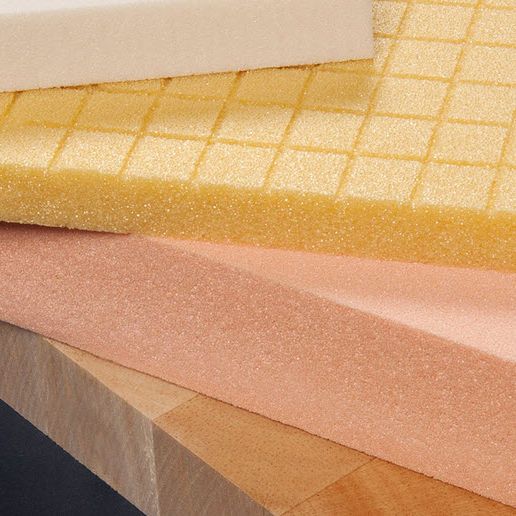
For procurement managers, project engineers, and sourcing specialists, selecting the right core material directly affects product performance, manufacturing costs, durability, logistics expenses, and long-term maintenance requirements.
This article provides a comprehensive analysis of the most widely used FRP panel core materials, comparing their advantages, limitations, costs, and application suitability to help buyers make informed purchasing decisions.
Understanding the Role of Core Materials in FRP Panels
An FRP sandwich panel typically consists of:
| Component | Function |
|---|---|
| FRP Skin | Provides tensile and compressive strength |
| Core Material | Increases stiffness while reducing weight |
| Adhesive Layer | Bonds skins and core together |
The core material acts as the structural “backbone” of the panel. A well-selected core can:
- Increase bending stiffness
- Reduce overall panel weight
- Improve thermal insulation
- Enhance impact resistance
- Improve sound absorption
- Lower transportation costs
Without an appropriate core, FRP panels may experience excessive deflection, poor insulation performance, or premature failure.
Key Factors Procurement Buyers Should Evaluate
Before comparing materials, buyers should establish procurement priorities.
1. Mechanical Performance
Consider:
- Compressive strength
- Shear strength
- Impact resistance
- Fatigue resistance
Applications such as truck bodies, marine decks, and industrial flooring require higher structural performance.
2. Weight Reduction
Lightweight structures offer:
- Lower fuel consumption
- Reduced transportation costs
- Easier installation
- Higher payload capacity
Industries such as RV manufacturing, marine construction, and transportation prioritize lightweight core materials.
3. Thermal Insulation
Important for:
- Cold storage panels
- Refrigerated truck bodies
- Building envelopes
- Modular housing
The thermal conductivity of the core material significantly impacts energy efficiency.
4. Moisture Resistance
Poor water resistance can lead to:
- Delamination
- Reduced structural integrity
- Mold growth
- Increased maintenance costs
Marine and outdoor applications require closed-cell core materials.
5. Fire Performance
Many projects must meet:
- Building fire regulations
- Marine standards
- Transportation safety requirements
Flame-retardant cores are increasingly required in public infrastructure projects.
6. Total Cost of Ownership
Lowest purchase price does not always mean lowest lifecycle cost.
Buyers should evaluate:
- Initial material cost
- Installation cost
- Service life
- Maintenance expenses
- Replacement frequency
Comparison of Major FRP Panel Core Materials
1. XPS Foam Core
Overview
XPS (Extruded Polystyrene) Foam is a closed-cell rigid foam produced through an extrusion process.
Advantages
✔ Excellent thermal insulation
✔ Low water absorption
✔ Lightweight
✔ Consistent density
✔ Cost-effective
Limitations
✘ Moderate structural strength
✘ Lower shear properties than PVC or PET foam
✘ Limited high-temperature resistance
Typical Applications
- Cold room panels
- Refrigerated trucks
- Building insulation panels
- Mobile houses
- Roof systems
Procurement Assessment
| Criteria | Rating |
|---|---|
| Cost | ★★★★★ |
| Thermal Insulation | ★★★★★ |
| Structural Strength | ★★★ |
| Water Resistance | ★★★★★ |
| Weight Reduction | ★★★★ |
Best for buyers prioritizing insulation performance and cost efficiency.
2. PVC Foam Core
Overview
PVC foam is one of the most widely used structural core materials in advanced composite applications.
Advantages
✔ High compressive strength
✔ Excellent shear performance
✔ Good fatigue resistance
✔ Closed-cell structure
✔ Long service life
Limitations
✘ Higher cost than XPS
✘ Heavier than some advanced foam alternatives
Typical Applications
- Marine structures
- Wind turbine blades
- Industrial panels
- Transportation composites
- Aerospace components
Procurement Assessment
| Criteria | Rating |
|---|---|
| Cost | ★★★ |
| Structural Strength | ★★★★★ |
| Water Resistance | ★★★★★ |
| Durability | ★★★★★ |
| Thermal Insulation | ★★★★ |
Best for structural FRP panels requiring long-term reliability.
3. PET Foam Core
Overview
PET (Polyethylene Terephthalate) foam is increasingly popular due to sustainability and recyclability advantages.
Advantages
✔ Recyclable material
✔ Good mechanical performance
✔ High temperature resistance
✔ Environmentally friendly
✔ Excellent dimensional stability
Limitations
✘ Higher price than XPS
✘ Slightly lower fatigue resistance compared with premium PVC grades
Typical Applications
- Wind energy
- Transportation panels
- Building facades
- Railway interiors
- Sustainable construction projects
Procurement Assessment
| Criteria | Rating |
|---|---|
| Sustainability | ★★★★★ |
| Structural Strength | ★★★★ |
| Temperature Resistance | ★★★★★ |
| Cost | ★★★ |
| Recyclability | ★★★★★ |
Best for buyers with sustainability and ESG requirements.
4. PU Foam Core
Overview
Polyurethane foam offers excellent insulation performance and good adhesion properties.
Advantages
✔ Outstanding thermal insulation
✔ Lightweight
✔ Strong bonding characteristics
✔ Energy-efficient
Limitations
✘ Lower structural performance
✘ Moisture protection must be properly managed
Typical Applications
- Refrigerated vehicles
- Cold storage panels
- Building insulation systems
Procurement Assessment
| Criteria | Rating |
|---|---|
| Thermal Insulation | ★★★★★ |
| Weight Reduction | ★★★★ |
| Structural Strength | ★★★ |
| Cost | ★★★★ |
Best for thermal insulation-focused FRP panel projects.
5. PP Honeycomb Core
Overview
Polypropylene honeycomb cores utilize a cellular structure rather than foam.
Advantages
✔ Extremely lightweight
✔ Excellent impact resistance
✔ High stiffness-to-weight ratio
✔ Waterproof
✔ Recyclable
Limitations
✘ More complex bonding process
✘ Lower thermal insulation than foam cores
Typical Applications
- Truck body panels
- RV panels
- Marine interiors
- Architectural panels
Procurement Assessment
| Criteria | Rating |
|---|---|
| Weight Reduction | ★★★★★ |
| Impact Resistance | ★★★★★ |
| Thermal Insulation | ★★★ |
| Cost | ★★★★ |
| Sustainability | ★★★★★ |
Best for lightweight transportation applications.
Comparative Performance Matrix
| Property | XPS Foam | PVC Foam | PET Foam | PU Foam | PP Honeycomb |
|---|---|---|---|---|---|
| Weight Reduction | ★★★★ | ★★★★ | ★★★★ | ★★★★ | ★★★★★ |
| Structural Strength | ★★★ | ★★★★★ | ★★★★ | ★★★ | ★★★★ |
| Thermal Insulation | ★★★★★ | ★★★★ | ★★★★ | ★★★★★ | ★★★ |
| Water Resistance | ★★★★★ | ★★★★★ | ★★★★★ | ★★★★ | ★★★★★ |
| Sustainability | ★★ | ★★★ | ★★★★★ | ★★★ | ★★★★★ |
| Cost Efficiency | ★★★★★ | ★★★ | ★★★ | ★★★★ | ★★★★ |
| Service Life | ★★★★ | ★★★★★ | ★★★★★ | ★★★★ | ★★★★★ |
Which Core Material Is Best for Different Industries?
Cold Storage & Refrigerated Vehicles
Recommended:
- XPS Foam Core
- PU Foam Core
Key requirement:
- Maximum insulation
- Low operating energy costs
Marine Industry
Recommended:
- PVC Foam Core
- PET Foam Core
Key requirement:
- Water resistance
- Fatigue performance
- Long-term durability
RV and Caravan Manufacturing
Recommended:
- PP Honeycomb Core
- XPS Foam Core
Key requirement:
- Lightweight structure
- Improved fuel efficiency
Building Facades and Construction Panels
Recommended:
- PET Foam Core
- XPS Foam Core
Key requirement:
- Thermal efficiency
- Fire performance
- Sustainability
High-End Composite Structures
Recommended:
- PVC Foam Core
- PET Foam Core
Key requirement:
- High structural integrity
- Long lifecycle performance
Procurement Checklist for Selecting FRP Panel Core Materials
Before placing orders, buyers should request:
Material Certifications
- ISO 9001
- REACH
- RoHS
- Fire testing reports
- Marine certifications (if applicable)
Technical Data Sheets
Review:
- Density
- Compressive strength
- Shear strength
- Thermal conductivity
- Water absorption
Manufacturing Capability
Verify:
- Production capacity
- Thickness range
- Density options
- Quality control systems
Sample Testing
Always conduct:
- Bonding tests
- Compression tests
- Environmental aging tests
- Impact tests
Conclusion
There is no single “best” core material for every FRP panel application. The optimal choice depends on project priorities.
- XPS Foam Core is the most cost-effective solution for insulation-focused panels.
- PVC Foam Core offers the highest structural performance and durability.
- PET Foam Core provides an excellent balance between strength and sustainability.
- PU Foam Core excels in thermal insulation applications.
- PP Honeycomb Core delivers the greatest weight savings for transportation and mobile structures.
For procurement professionals, the most effective strategy is to evaluate the entire lifecycle cost, performance requirements, and application environment rather than focusing solely on material price. A properly selected core material can significantly improve product performance, reduce maintenance expenses, and create long-term value throughout the service life of the FRP panel.
