
The marine industry increasingly relies on sandwich composite structures to reduce vessel weight, improve fuel efficiency, enhance corrosion resistance, and simplify maintenance. Whether for commercial ships, yachts, ferries, patrol boats, offshore platforms, or marine interiors, the selection of the appropriate sandwich panel core material is one of the most critical decisions affecting long-term performance.
For procurement managers, naval architects, boat builders, and composite manufacturers, choosing the right core material requires balancing structural performance, weight, cost, durability, fire resistance, and compliance with marine regulations.
This article examines the most commonly used marine sandwich panel core materials and provides practical guidance for sourcing professionals involved in marine construction projects.
What Is a Marine Sandwich Panel?
A marine sandwich panel typically consists of:
| Layer | Function |
|---|---|
| FRP Skin | Provides tensile and compressive strength |
| Core Material | Increases stiffness and reduces weight |
| Adhesive Resin | Bonds skins and core together |
The sandwich structure allows engineers to achieve significantly higher stiffness-to-weight ratios than traditional solid laminates.
Benefits of Marine Sandwich Panels
- Lightweight construction
- Improved vessel speed
- Reduced fuel consumption
- Corrosion resistance
- Better thermal insulation
- Noise reduction
- Easier installation
- Lower maintenance costs
The core material plays a major role in determining these benefits.
Key Requirements for Marine Core Materials
Unlike building panels or transportation panels, marine sandwich panels operate in harsh environments.
Core materials must withstand:
Continuous Moisture Exposure
Marine structures are constantly exposed to:
- Seawater
- Humidity
- Rain
- Condensation
Poor moisture resistance can lead to:
- Water ingress
- Delamination
- Core degradation
- Structural failure
High Fatigue Loading
Boats experience repeated stresses from:
- Wave impacts
- Engine vibrations
- Dynamic loading
- Hull flexing
The core material must maintain performance over thousands of load cycles.
Impact Resistance
Marine structures face impacts from:
- Floating debris
- Docking operations
- Equipment handling
- Passenger traffic
Impact-resistant cores improve service life.
Fire Safety Requirements
Passenger vessels and offshore facilities often require compliance with:
- SOLAS regulations
- IMO standards
- Marine fire testing requirements
Fire performance is becoming increasingly important in modern shipbuilding.
Common Marine Sandwich Panel Core Materials
1. PVC Foam Core
PVC foam is currently one of the most widely used structural core materials in the marine industry.
Advantages
✔ Excellent strength-to-weight ratio
✔ Closed-cell structure
✔ Low water absorption
✔ Outstanding fatigue resistance
✔ Easy processing
✔ Proven marine performance
Typical Density Range
| Grade | Density |
|---|---|
| Low Density | 60–80 kg/m³ |
| Medium Density | 100–130 kg/m³ |
| High Density | 150–250 kg/m³ |
Applications
- Hulls
- Decks
- Bulkheads
- Superstructures
- Cabin modules
Procurement Perspective
PVC foam offers one of the best balances between:
- Structural performance
- Durability
- Cost
- Manufacturing efficiency
For many marine projects, PVC remains the benchmark core material.
2. PET Foam Core
PET foam has become increasingly popular due to sustainability requirements.
Advantages
✔ Recyclable material
✔ Good structural properties
✔ Excellent temperature resistance
✔ Low water absorption
✔ Environmentally friendly
Applications
- Ferry structures
- Yacht components
- Deck panels
- Marine interiors
Advantages Over PVC
Many shipyards are adopting PET foam because:
- Recycled raw materials can be utilized
- ESG requirements are easier to meet
- Thermal stability is higher
Procurement Considerations
PET foam is an excellent alternative where environmental compliance is a key purchasing factor.
3. SAN Foam Core
Styrene Acrylonitrile (SAN) foam is considered a premium structural core.
Advantages
✔ Excellent toughness
✔ Superior fatigue resistance
✔ High impact strength
✔ Outstanding resin compatibility
Applications
- Racing yachts
- Military vessels
- High-performance marine structures
Limitations
- Higher material cost
- More specialized supply chain
Procurement Perspective
SAN foam is typically selected when maximum performance is required and budget constraints are less critical.
4. PMI Foam Core
PMI (Polymethacrylimide) foam represents one of the highest-performance foam core materials available.
Advantages
✔ Extremely lightweight
✔ Exceptional mechanical properties
✔ High temperature resistance
✔ Excellent fatigue performance
Applications
- Naval vessels
- High-speed craft
- Aerospace-grade marine components
Limitations
- Significantly higher cost
- Limited supplier availability
Procurement Perspective
PMI is rarely used in commercial marine projects due to cost but is ideal for highly specialized applications.
5. Balsa Wood Core
End-grain balsa has been used in marine composites for decades.
Advantages
✔ Excellent compressive strength
✔ Natural material
✔ High stiffness
✔ Competitive cost
Limitations
✘ Potential moisture absorption
✘ Biological degradation risks
✘ Variable material consistency
Applications
- Hulls
- Decks
- Legacy yacht construction
Procurement Considerations
Modern builders increasingly prefer foam cores because they provide more predictable long-term performance.
6. PP Honeycomb Core
Polypropylene honeycomb is gaining popularity in lightweight marine interiors.
Advantages
✔ Extremely lightweight
✔ Waterproof
✔ Recyclable
✔ Good impact resistance
Applications
- Interior wall panels
- Furniture
- Cabin modules
- Ceiling panels
- Door systems
Limitations
✘ Lower structural performance than PVC foam
✘ Less suitable for highly loaded hull structures
Procurement Perspective
PP honeycomb excels in non-structural marine applications where weight reduction is a priority.
Comparison of Marine Core Materials
| Property | PVC Foam | PET Foam | SAN Foam | PMI Foam | Balsa | PP Honeycomb |
|---|---|---|---|---|---|---|
| Weight Reduction | ★★★★ | ★★★★ | ★★★★★ | ★★★★★ | ★★★ | ★★★★★ |
| Water Resistance | ★★★★★ | ★★★★★ | ★★★★★ | ★★★★★ | ★★ | ★★★★★ |
| Structural Strength | ★★★★★ | ★★★★ | ★★★★★ | ★★★★★ | ★★★★★ | ★★★ |
| Fatigue Resistance | ★★★★★ | ★★★★ | ★★★★★ | ★★★★★ | ★★★ | ★★★ |
| Fire Performance | ★★★★ | ★★★★ | ★★★★ | ★★★★ | ★★★ | ★★★★ |
| Sustainability | ★★★ | ★★★★★ | ★★★ | ★★★ | ★★★★★ | ★★★★★ |
| Cost Efficiency | ★★★★ | ★★★★ | ★★★ | ★★ | ★★★★ | ★★★★ |
Core Material Selection by Marine Application
Hull Structures
Recommended:
- PVC Foam
- SAN Foam
- PET Foam
Selection priorities:
- Shear strength
- Fatigue resistance
- Water resistance
Deck Panels
Recommended:
- PVC Foam
- PET Foam
- Balsa
Selection priorities:
- Compression strength
- Impact resistance
- Long-term durability
Bulkheads and Superstructures
Recommended:
- PET Foam
- PVC Foam
- PP Honeycomb
Selection priorities:
- Lightweight construction
- Dimensional stability
- Cost efficiency
Marine Interior Panels
Recommended:
- PP Honeycomb
- PET Foam
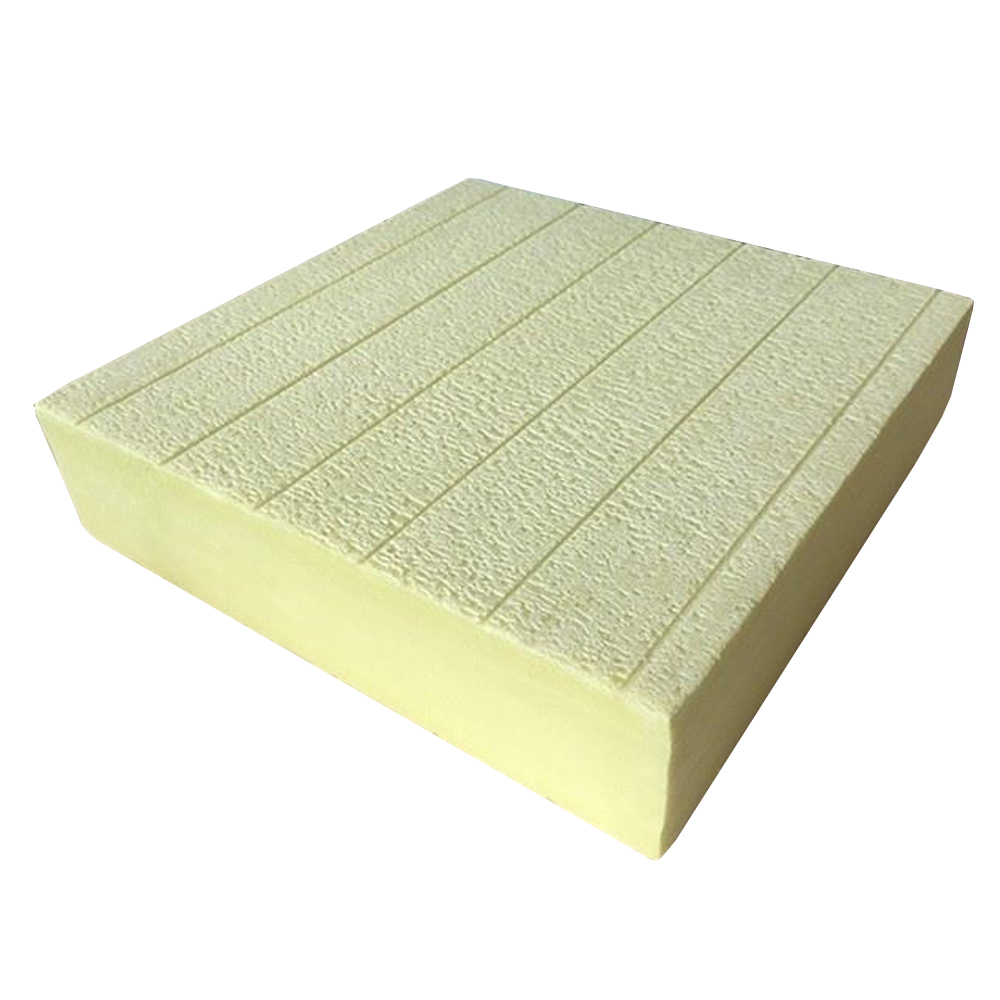
- XPS Foam
Selection priorities:
- Weight reduction
- Sound insulation
- Easy installation
High-Speed Craft
Recommended:
- SAN Foam
- PMI Foam
- Premium PVC Foam
Selection priorities:
- Maximum stiffness
- Lightweight performance
- Fatigue durability
Procurement Checklist for Marine Core Materials
Before selecting a supplier, procurement teams should verify:
Certifications
- ISO 9001
- DNV
- BV
- LR
- CCS
- ABS
Technical Documentation
Request:
- Density specifications
- Shear strength reports
- Compression strength data
- Water absorption testing
- Fire testing reports
Manufacturing Capability
Evaluate:
- Production capacity
- Thickness availability
- Density range
- CNC processing capability
- Custom cutting services
Quality Control
Ask suppliers about:
- Batch traceability
- Incoming material inspection
- Density consistency testing
- Mechanical property verification
Future Trends in Marine Core Materials
Several trends are reshaping the marine composites market:
Sustainability
Growing demand for:
- Recyclable PET foam
- Recycled-content cores
- Low-carbon materials
Lightweight Vessels
Shipbuilders continue to reduce vessel weight to:
- Improve fuel efficiency
- Extend operational range
- Lower emissions
Fire-Safe Marine Panels
Passenger vessels increasingly require:
- IMO-certified materials
- A-class fire-rated systems
- Low-smoke composite structures
Hybrid Core Solutions
Manufacturers are combining:
- PVC foam + honeycomb
- PET foam + mineral layers
- Multi-density core structures
to optimize performance and cost.
Conclusion
For most marine sandwich panel applications, PVC Foam Core remains the industry standard because it offers the best balance of strength, durability, water resistance, and manufacturing efficiency.
However, specific applications may benefit from alternative materials:
- PET Foam Core for sustainable marine projects.
- SAN Foam Core for high-performance yachts and military vessels.
- PMI Foam Core for ultra-lightweight specialized structures.
- PP Honeycomb Core for marine interior panels and lightweight furniture.
- Balsa Core for traditional composite constructions where cost and stiffness are priorities.
From a procurement perspective, the ideal marine core material should be selected based on the vessel type, structural requirements, certification standards, lifecycle costs, and long-term environmental exposure rather than simply comparing initial material prices. This approach ensures better reliability, lower maintenance costs, and superior performance throughout the vessel’s operational life.
