
A Procurement-Focused Comparison Guide for FRP Sandwich Panels and Composite Structures
When sourcing core materials for FRP sandwich panels, composite structures, marine components, refrigerated trucks, RV panels, and construction applications, procurement managers often face a common question:
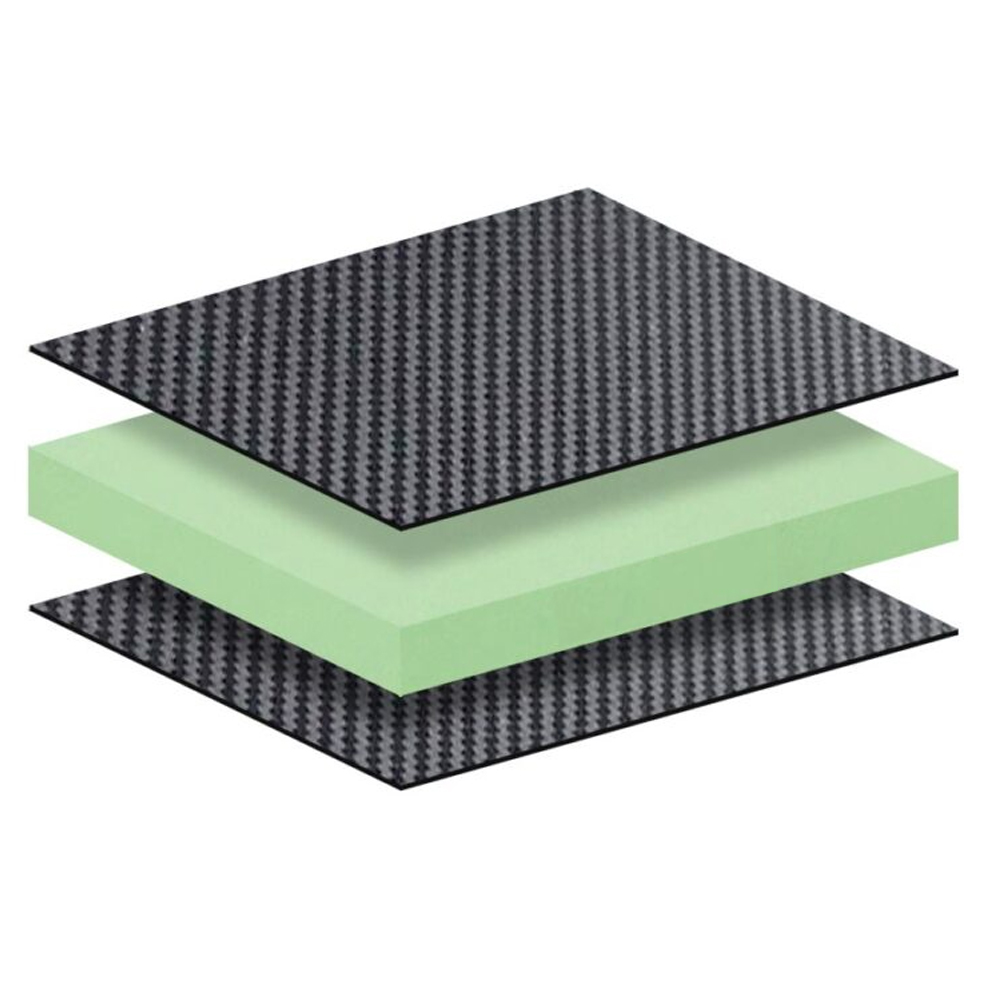
Should we choose XPS Foam Core or PVC Foam Core?
Both materials are widely used in composite manufacturing and sandwich panel production, but they are designed for different performance requirements. Selecting the wrong material can result in unnecessary costs, inadequate structural performance, or reduced product lifespan.
This guide compares XPS Foam and PVC Foam from the perspective of buyers, engineers, and sourcing professionals, helping you determine which core material delivers the best value for your specific project.
Understanding the Two Materials
What Is XPS Foam Core?
XPS (Extruded Polystyrene) Foam is a rigid closed-cell foam produced through a continuous extrusion process.
Its primary advantages include:
- Excellent thermal insulation
- Low water absorption
- Lightweight structure
- Competitive pricing
- Consistent density
XPS is commonly used in:
- Building insulation panels
- Refrigerated truck bodies
- Cold room panels
- RV walls and roofs
- Lightweight FRP panels
What Is PVC Foam Core?
PVC (Polyvinyl Chloride) Foam is a structural closed-cell foam specifically developed for composite sandwich construction.
It offers:
- High compressive strength
- Excellent shear properties
- Superior fatigue resistance
- Long-term structural stability
- Strong resin compatibility
PVC foam is widely used in:
- Marine hulls
- Wind turbine blades
- Transportation composites
- Aerospace structures
- High-performance FRP panels
Quick Comparison Overview
| Property | XPS Foam Core | PVC Foam Core |
|---|---|---|
| Material Type | Insulation Foam | Structural Foam |
| Density Range | 25-50 kg/m³ | 60-250 kg/m³ |
| Thermal Insulation | Excellent | Good |
| Water Resistance | Excellent | Excellent |
| Structural Strength | Moderate | Excellent |
| Shear Strength | Moderate | Very High |
| Fatigue Resistance | Moderate | Excellent |
| Cost | Lower | Higher |
| Service Life | Good | Excellent |
| Composite Applications | Light Duty | Heavy Duty |
Performance Comparison
1. Mechanical Strength
For load-bearing applications, strength is often the most important factor.
XPS Foam
Advantages:
- Adequate compressive strength for non-structural panels
- Suitable for lightweight applications
Limitations:
- Lower shear strength
- Reduced fatigue resistance
- Less suitable for highly stressed structures
PVC Foam
Advantages:
- Excellent compressive strength
- Superior shear performance
- Outstanding fatigue resistance
Suitable for:
- Marine hulls
- Structural decks
- Wind blades
- Heavy-duty transportation panels
Winner: PVC Foam
For structural applications, PVC Foam significantly outperforms XPS Foam.
2. Thermal Insulation Performance
Insulation is critical in many commercial applications.
XPS Foam
Typical Thermal Conductivity:
0.028–0.034 W/m·K
Advantages:
- Industry-leading insulation performance
- Excellent energy efficiency
- Reduced heating and cooling costs
PVC Foam
Typical Thermal Conductivity:
0.040–0.060 W/m·K
Advantages:
- Provides insulation
- Less efficient than XPS
Winner: XPS Foam
If insulation performance is the primary objective, XPS is clearly the better choice.
3. Water Absorption Resistance
Marine and outdoor environments require excellent moisture protection.
XPS Foam
- Closed-cell structure
- Extremely low water absorption
- Resistant to moisture penetration
PVC Foam
- Closed-cell construction
- Excellent water resistance
- Proven marine durability
Winner: Tie
Both materials perform exceptionally well in humid and wet environments.
4. Weight Reduction
Weight reduction directly affects transportation costs and fuel efficiency.
XPS Foam
Typical Density:
25–50 kg/m³
Benefits:
- Extremely lightweight
- Easy handling
- Reduced logistics costs
PVC Foam
Typical Density:
60–250 kg/m³
Benefits:
- Stronger structure
- Higher load capacity
Winner: XPS Foam
For maximum weight savings, XPS offers a clear advantage.
5. Long-Term Durability
Many projects require service lives exceeding 15–25 years.
XPS Foam
Performs well in:
- Building panels
- Insulation systems
- Moderate-load environments
Challenges:
- Lower fatigue performance under repeated loading
PVC Foam
Designed specifically for:
- Dynamic loading
- High-stress environments
- Long-term structural service
Widely used in vessels and wind energy systems operating for decades.
Winner: PVC Foam
PVC foam delivers superior long-term structural reliability.
6. Fire Performance
Fire regulations are becoming stricter worldwide.
XPS Foam
Available with:
- B1 flame-retardant grades
- Improved fire-resistant formulations
PVC Foam
Available with:
- Marine-grade fire-retardant systems
- Transportation-grade certifications
Winner: PVC Foam
PVC generally achieves better fire performance in structural applications.
Cost Comparison
Procurement decisions are heavily influenced by budget.
| Cost Factor | XPS Foam | PVC Foam |
|---|---|---|
| Raw Material Cost | Low | Medium-High |
| Processing Cost | Low | Medium |
| Transportation Cost | Low | Medium |
| Lifecycle Cost | Moderate | Low |
| Initial Investment | Lower | Higher |
Procurement Insight
If budget is the primary concern, XPS Foam offers excellent value.
However, if structural performance and longevity are critical, PVC Foam often provides a lower total cost of ownership despite its higher initial price.
Industry-Specific Recommendations
Refrigerated Trucks
Recommended Material
✅ XPS Foam
Reason:
- Superior insulation
- Lower material cost
- Lightweight construction
Cold Storage Panels
Recommended Material
✅ XPS Foam
Reason:
- Outstanding thermal performance
- Energy savings over time
Marine Applications
Recommended Material
✅ PVC Foam
Reason:
- Excellent fatigue resistance
- Superior structural strength
- Proven marine performance
Wind Turbine Blades
Recommended Material
✅ PVC Foam
Reason:
- High shear strength
- Long service life
- Dynamic load resistance
RV and Caravan Panels
Recommended Material
Depends on design objectives.
Choose XPS if:
- Insulation is the priority.
- Cost competitiveness is important.
Choose PVC if:
- Structural integrity is critical.
- Premium vehicle construction is required.
Building Facade Panels
Recommended Material
Hybrid selection:
- XPS for insulation-focused systems.
- PVC for structural composite panels.
Procurement Decision Matrix
| Buyer Priority | Recommended Material |
|---|---|
| Lowest Cost | XPS Foam |
| Best Thermal Insulation | XPS Foam |
| Maximum Weight Reduction | XPS Foam |
| Marine Applications | PVC Foam |
| Structural FRP Panels | PVC Foam |
| Wind Energy Components | PVC Foam |
| Long-Term Durability | PVC Foam |
| High Shear Strength | PVC Foam |
| Cold Storage Projects | XPS Foam |
| Premium Composite Structures | PVC Foam |
Questions Buyers Should Ask Suppliers
Before purchasing either XPS Foam or PVC Foam, request:
Technical Data Sheets
Including:
- Density
- Compressive strength
- Shear strength
- Water absorption
- Thermal conductivity
Quality Certifications
Such as:
- ISO 9001
- REACH
- RoHS
- Fire test reports
- Marine certifications (if applicable)
Manufacturing Capabilities
Verify:
- Production capacity
- Thickness range
- Density options
- CNC cutting services
- Custom dimensions
Sample Testing
Conduct:
- Bonding tests
- Compression tests
- Environmental aging tests
- Impact resistance tests
Final Verdict: Which Core Material Should You Buy?
There is no universal winner because XPS Foam and PVC Foam are designed for different purposes.
Choose XPS Foam Core If:
✔ Thermal insulation is your top priority
✔ You need a cost-effective solution
✔ Weight reduction is critical
✔ The panel is not heavily load-bearing
✔ You manufacture cold rooms, refrigerated trucks, or insulated building panels
Choose PVC Foam Core If:
✔ Structural performance is critical
✔ The panel experiences dynamic loading
✔ Long-term durability is required
✔ You manufacture marine, wind energy, transportation, or industrial composite products
✔ Higher initial cost is acceptable for better lifecycle value
Conclusion
For procurement professionals, the decision between XPS Foam and PVC Foam should be based on application requirements rather than material price alone. XPS Foam remains the preferred solution for insulation-driven projects, while PVC Foam dominates structural composite applications where strength, fatigue resistance, and durability are essential.
In many modern FRP sandwich panel systems, manufacturers even combine insulation materials and structural cores to optimize both performance and cost. By evaluating mechanical requirements, environmental conditions, lifecycle expectations, and total ownership costs, buyers can confidently select the core material that delivers the greatest value for their specific project.
