
A Procurement Guide for Selecting the Right Structural Core Material
As the demand for lightweight, high-strength composite panels continues to grow across industries such as marine, wind energy, transportation, construction, and industrial manufacturing, PET Foam Core and PVC Foam Core have become two of the most widely used structural core materials in sandwich panel construction.
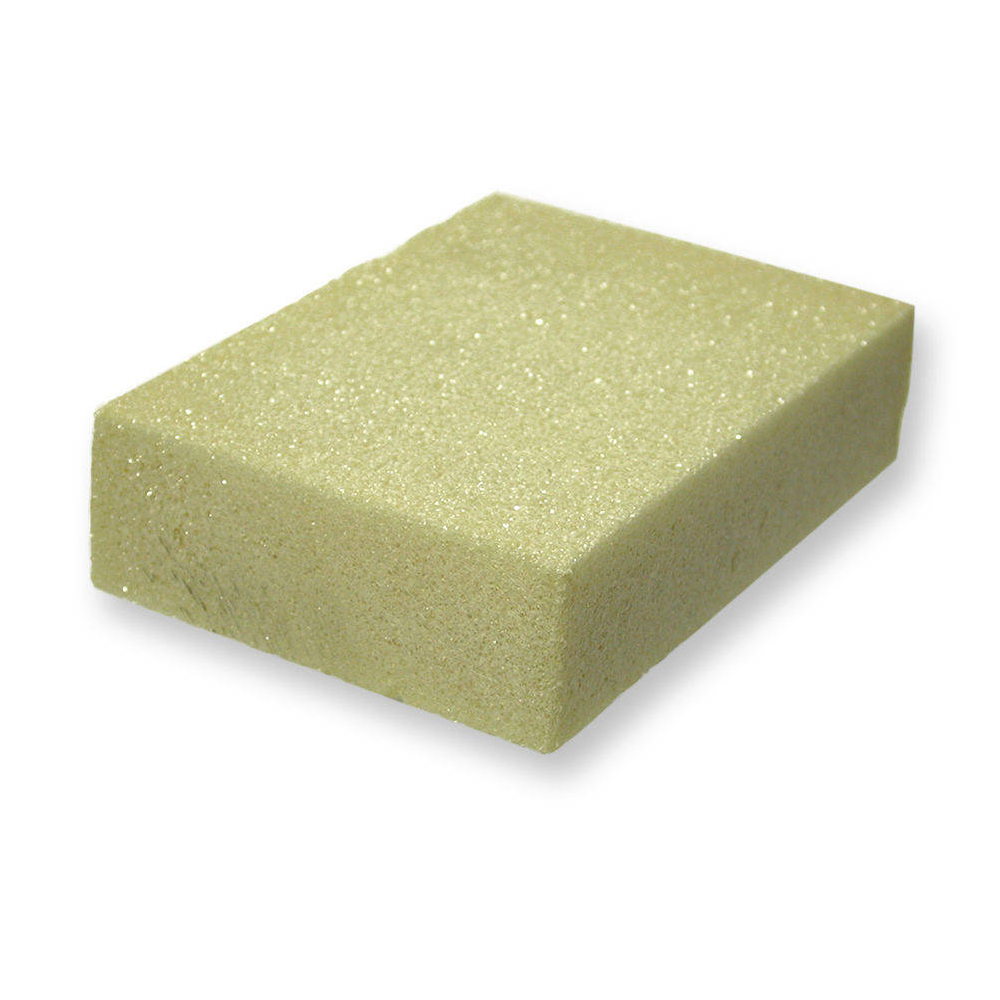
For procurement managers, engineers, and composite manufacturers, choosing between PET and PVC foam is often a critical decision that impacts product performance, manufacturing efficiency, sustainability goals, and overall project costs.
While both materials offer excellent strength-to-weight ratios and closed-cell structures, they differ significantly in mechanical performance, thermal stability, environmental impact, and long-term value.
This article provides a detailed comparison of PET Foam and PVC Foam from a buyer’s perspective to help procurement professionals make informed sourcing decisions.
Understanding PET Foam and PVC Foam
What Is PET Foam Core?
PET (Polyethylene Terephthalate) Foam is a thermoplastic structural foam manufactured from virgin or recycled PET resin.
It is increasingly used in:
- Wind turbine blades
- Transportation panels
- Railway interiors
- Building facades
- Marine structures
- Industrial composite panels
The growing popularity of PET foam is largely driven by sustainability requirements and recycling initiatives.
Key Characteristics
- Closed-cell structure
- Recyclable material
- Good mechanical strength
- Excellent temperature resistance
- Low water absorption
What Is PVC Foam Core?
PVC (Polyvinyl Chloride) Foam is one of the most established structural core materials in the composites industry.
It has been widely used for decades in:
- Marine hulls
- Wind energy components
- Aerospace structures
- Transportation composites
- Industrial sandwich panels
PVC foam is often considered the benchmark for structural sandwich construction.
Key Characteristics
- Closed-cell structure
- Excellent shear strength
- High fatigue resistance
- Proven long-term durability
- Broad density range
Quick Comparison Overview
| Property | PET Foam Core | PVC Foam Core |
|---|---|---|
| Material Type | Thermoplastic Foam | Structural PVC Foam |
| Density Range | 70-250 kg/m³ | 60-250 kg/m³ |
| Structural Strength | Very Good | Excellent |
| Fatigue Resistance | Good | Excellent |
| Thermal Stability | Excellent | Good |
| Water Absorption | Very Low | Very Low |
| Sustainability | Excellent | Moderate |
| Recyclability | Excellent | Limited |
| Cost | Medium | Medium-High |
| Industry Adoption | Growing Rapidly | Established Standard |
Mechanical Performance Comparison
Compressive Strength
Compressive strength determines a panel’s ability to resist crushing under load.
PET Foam
Advantages:
- High compressive strength
- Good dimensional stability
- Consistent performance under static loads
Suitable for:
- Wall panels
- Transportation structures
- Building systems
PVC Foam
Advantages:
- Higher compressive performance in equivalent densities
- Better load distribution
- Greater design flexibility
Suitable for:
- Hull structures
- Heavy-duty composite panels
- Structural decks
Winner: PVC Foam
PVC generally offers higher compressive performance, especially in demanding structural applications.
Shear Strength
Shear strength is one of the most critical properties for sandwich panel design.
PET Foam
Provides:
- Good shear resistance
- Stable performance in medium-load applications
PVC Foam
Provides:
- Superior shear strength
- Better resistance to core shear failure
- Stronger bonding in highly loaded structures
Winner: PVC Foam
For high-load structural applications, PVC remains the preferred choice.
Fatigue Resistance
Composite structures often experience repeated loading cycles.
Examples include:
- Vessel movement
- Wind turbine blade rotation
- Vehicle vibration
- Dynamic industrial loads
PET Foam
Offers:
- Good fatigue performance
- Reliable long-term behavior
PVC Foam
Offers:
- Exceptional fatigue resistance
- Extensive field-proven history
- Outstanding performance under cyclic loading
Winner: PVC Foam
PVC continues to outperform PET in high-fatigue environments.
Thermal Performance Comparison
Temperature Resistance
Modern composite manufacturing processes often involve elevated temperatures.
PET Foam
Advantages:
✔ Higher heat resistance
✔ Better dimensional stability during processing
✔ Reduced risk of deformation
Typical operating temperatures are generally higher than PVC foam.
PVC Foam
Advantages:
✔ Suitable for most composite production processes
Limitations:
- Lower thermal stability compared to PET
Winner: PET Foam
PET foam is particularly advantageous in high-temperature manufacturing environments.
Thermal Insulation
Both materials provide insulation benefits.
| Property | PET Foam | PVC Foam |
|---|---|---|
| Thermal Conductivity | Good | Good |
| Energy Efficiency | Good | Good |
Winner: Tie
For most composite panel applications, thermal insulation differences are minimal.
Water Resistance and Marine Performance
Moisture resistance is essential for marine and outdoor structures.
PET Foam
Features:
- Closed-cell construction
- Extremely low water absorption
- Corrosion resistance
PVC Foam
Features:
- Closed-cell construction
- Excellent moisture resistance
- Long-established marine performance
Winner: Tie
Both materials perform exceptionally well in wet environments.
Sustainability Comparison
Environmental considerations are increasingly influencing procurement decisions.
PET Foam
Major advantages include:
✔ Recyclable material
✔ Can contain recycled PET content
✔ Supports ESG objectives
✔ Reduced environmental footprint
✔ Circular economy compatibility
Many PET foam products are manufactured using recycled plastic bottles.
PVC Foam
Advantages:
✔ Long service life
✔ Reduced replacement frequency
Challenges:
- More difficult to recycle
- Lower sustainability perception
Winner: PET Foam
For environmentally focused projects, PET foam has a significant advantage.
Manufacturing Efficiency
PET Foam
Advantages:
- Good thermoforming capability
- Stable dimensions during processing
- Compatible with infusion and prepreg systems
PVC Foam
Advantages:
- Easy machining
- Excellent resin compatibility
- Extensive industry experience
- Broad supplier availability
Winner: Tie
Both materials integrate well into modern composite manufacturing processes.
Cost Analysis
Initial Material Cost
| Cost Category | PET Foam | PVC Foam |
|---|---|---|
| Material Price | Medium | Medium-High |
| Processing Cost | Medium | Medium |
| Transportation Cost | Similar | Similar |
PET foam pricing has become increasingly competitive due to growing production capacity worldwide.
Lifecycle Cost
PVC Foam Benefits:
- Longer service history
- Proven durability
- Reduced structural risk
PET Foam Benefits:
- Lower environmental compliance costs
- Better sustainability credentials
- Growing market acceptance
Winner: Project Dependent
Industry-Specific Recommendations
Marine Industry
Recommended Material
✅ PVC Foam
Reasons:
- Superior fatigue resistance
- Extensive marine track record
- Higher shear performance
Typical Applications:
- Hulls
- Decks
- Superstructures
Wind Energy
Recommended Material
✅ PET Foam or PVC Foam
Choose PET when:
- Sustainability targets are important.
- High-temperature processing is used.
Choose PVC when:
- Maximum structural performance is required.
Railway Transportation
Recommended Material
✅ PET Foam
Reasons:
- Excellent fire performance options
- Recyclability
- Lightweight structure
Truck and Trailer Panels
Recommended Material
✅ PET Foam
Reasons:
- Lightweight
- Cost-effective
- Sustainable
High-Performance Composite Structures
Recommended Material
✅ PVC Foam
Reasons:
- Superior fatigue behavior
- Excellent shear strength
- Proven reliability
Procurement Decision Matrix
| Buyer Priority | Recommended Core |
|---|---|
| Maximum Structural Strength | PVC Foam |
| Highest Shear Strength | PVC Foam |
| Marine Applications | PVC Foam |
| Long-Term Fatigue Resistance | PVC Foam |
| Sustainability Goals | PET Foam |
| Recyclability | PET Foam |
| High-Temperature Processing | PET Foam |
| ESG Compliance | PET Foam |
| Transportation Panels | PET Foam |
| Wind Energy Projects | PET or PVC |
Questions Buyers Should Ask Suppliers
Before purchasing PET or PVC foam, request:
Technical Documentation
- Density specifications
- Compressive strength data
- Shear strength reports
- Water absorption results
- Thermal conductivity values
Certifications
- ISO 9001
- REACH
- RoHS
- Fire testing reports
- Marine approvals (if applicable)
Production Capabilities
Verify:
- Density options
- Thickness range
- CNC machining services
- Custom cutting capabilities
- Annual production capacity
Sample Testing
Evaluate:
- Bonding performance
- Compression behavior
- Shear testing
- Environmental aging resistance
Final Verdict: PET Foam or PVC Foam?
Both materials are excellent structural cores for composite sandwich panels, but they serve different priorities.
Choose PET Foam If:
✔ Sustainability is a key purchasing factor
✔ Recyclability is required
✔ High-temperature processing is used
✔ Transportation and building applications are the primary markets
✔ ESG compliance is important
Choose PVC Foam If:
✔ Maximum structural performance is required
✔ Marine applications are involved
✔ High fatigue resistance is essential
✔ Long-term proven reliability is a priority
✔ The project requires the strongest sandwich structure possible
Conclusion
The choice between PET Foam and PVC Foam should be based on project requirements rather than material trends alone. PVC Foam remains the industry benchmark for structural composite applications, particularly in marine and high-load environments. However, PET Foam is rapidly gaining market share due to its sustainability advantages, recyclability, thermal stability, and increasingly competitive mechanical performance.
For procurement professionals, the best approach is to evaluate not only material cost but also lifecycle performance, environmental objectives, manufacturing requirements, and end-use conditions. In many modern composite panel projects, PET Foam offers a compelling balance of performance and sustainability, while PVC Foam continues to deliver unmatched confidence in demanding structural applications.
