
A Comprehensive Procurement Guide for Composite Panel Buyers
FRP (Fiber Reinforced Plastic) sandwich panels are widely used in construction, transportation, marine, wind energy, RV manufacturing, cold-chain logistics, and industrial equipment due to their excellent strength-to-weight ratio, corrosion resistance, and long service life. However, the performance of an FRP sandwich panel depends not only on the fiberglass skins but also on the foam core material placed between them.
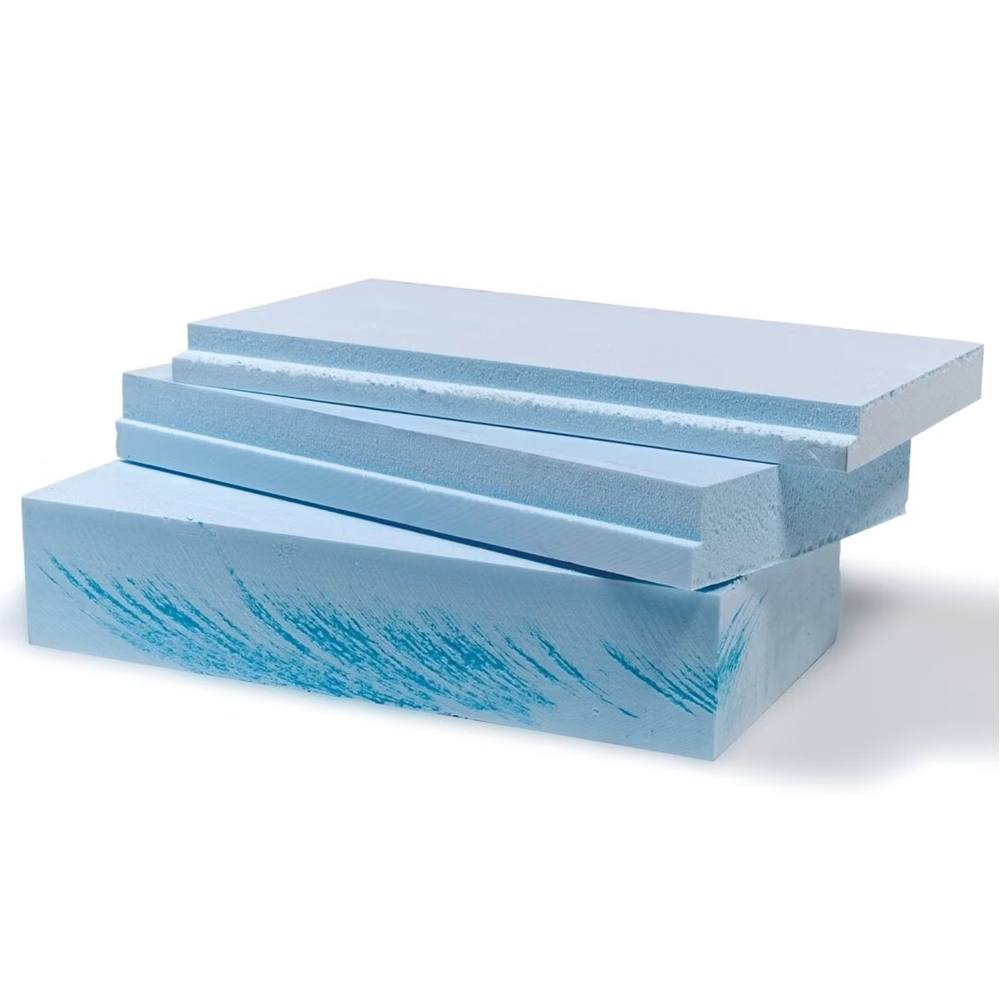
For procurement managers, engineers, and sourcing professionals, selecting the right foam core can significantly impact structural performance, insulation efficiency, production costs, and product lifespan. With various foam core options available, including XPS, PVC, PET, PU, and PMI, understanding their differences is essential before making a purchasing decision.
This guide explores the major foam core materials used in FRP sandwich panels and provides practical recommendations based on application requirements.
Why Foam Core Selection Matters
In a sandwich panel structure, the foam core serves several critical functions:
- Increases panel stiffness
- Reduces overall weight
- Improves thermal insulation
- Enhances impact resistance
- Reduces material consumption
- Improves sound insulation
A properly selected core material can reduce panel weight by more than 50% while maintaining excellent structural performance.
For buyers, choosing the wrong core material can result in:
- Excessive production costs
- Premature panel failure
- Poor insulation performance
- Increased maintenance expenses
- Reduced product competitiveness
Key Factors Procurement Teams Should Consider
Before comparing materials, buyers should clearly define project requirements.
Structural Performance
Questions to ask:
- Will the panel carry significant loads?
- Will it experience repeated stress or vibration?
- Is high shear strength required?
Applications such as marine decks, truck floors, and industrial platforms demand high structural performance.
Weight Requirements
Lightweight panels help:
- Reduce transportation costs
- Improve fuel efficiency
- Increase payload capacity
- Simplify installation
Industries such as RV manufacturing, marine construction, and transportation often prioritize lightweight cores.
Thermal Insulation
Important for:
- Refrigerated trucks
- Cold storage facilities
- Building insulation systems
- Modular housing
Lower thermal conductivity generally means better insulation performance.
Water Resistance
Outdoor and marine environments require:
- Low water absorption
- Moisture resistance
- Long-term durability
Closed-cell foam materials typically perform best.
Fire Safety
Many projects require compliance with:
- Building regulations
- Transportation standards
- Marine fire safety requirements
Fire-retardant foam options should be evaluated early in the procurement process.
Cost and Lifecycle Value
Procurement decisions should consider:
- Initial purchase price
- Processing costs
- Service life
- Maintenance requirements
- Replacement frequency
The lowest-cost material may not deliver the lowest lifecycle cost.
Major Foam Core Materials for FRP Sandwich Panels
1. XPS Foam Core
Overview
XPS (Extruded Polystyrene) Foam is a lightweight, closed-cell foam known for its excellent insulation properties.
Advantages
- Outstanding thermal insulation
- Low water absorption
- Lightweight
- Cost-effective
- Consistent density structure
Limitations
- Moderate structural strength
- Lower shear performance
- Limited fatigue resistance
Typical Applications
- Refrigerated truck panels
- Cold room panels
- Building insulation panels
- RV wall systems
Procurement Rating
| Property | Rating |
|---|---|
| Cost Efficiency | ★★★★★ |
| Thermal Insulation | ★★★★★ |
| Structural Strength | ★★★ |
| Water Resistance | ★★★★★ |
| Weight Reduction | ★★★★ |
Best for insulation-focused FRP sandwich panels.
2. PVC Foam Core
Overview
PVC Foam is one of the most established structural foam materials in the composites industry.
Advantages
- Excellent compressive strength
- High shear strength
- Superior fatigue resistance
- Low water absorption
- Proven structural performance
Limitations
- Higher material cost
- Heavier than ultra-light foam alternatives
Typical Applications
- Marine hulls
- Wind turbine blades
- Structural composite panels
- Industrial equipment
Procurement Rating
| Property | Rating |
|---|---|
| Structural Strength | ★★★★★ |
| Durability | ★★★★★ |
| Water Resistance | ★★★★★ |
| Thermal Insulation | ★★★★ |
| Cost Efficiency | ★★★ |
Best for structural FRP sandwich panel applications.
3. PET Foam Core
Overview
PET (Polyethylene Terephthalate) Foam is a recyclable thermoplastic structural foam that has gained significant market share in recent years.
Advantages
- Recyclable
- Good mechanical performance
- High temperature resistance
- Environmentally friendly
- Excellent dimensional stability
Limitations
- Slightly lower fatigue resistance than premium PVC grades
- Cost may vary depending on recycled content and supplier
Typical Applications
- Transportation panels
- Railway interiors
- Building facades
- Wind energy components
Procurement Rating
| Property | Rating |
|---|---|
| Sustainability | ★★★★★ |
| Structural Performance | ★★★★ |
| Thermal Stability | ★★★★★ |
| Recyclability | ★★★★★ |
| Cost Efficiency | ★★★★ |
Best for projects with sustainability and ESG requirements.
4. PU Foam Core
Overview
Polyurethane (PU) Foam offers excellent insulation performance and is widely used in energy-efficient panel systems.
Advantages
- Extremely low thermal conductivity
- Lightweight
- Good bonding characteristics
- Cost-effective insulation solution
Limitations
- Lower structural strength
- Less suitable for high-load applications
Typical Applications
- Cold storage panels
- Refrigerated vehicles
- Building insulation systems
Procurement Rating
| Property | Rating |
|---|---|
| Thermal Insulation | ★★★★★ |
| Weight Reduction | ★★★★ |
| Structural Strength | ★★★ |
| Cost Efficiency | ★★★★ |
Best for energy-efficient insulated panel systems.
5. PMI Foam Core
Overview
PMI (Polymethacrylimide) Foam is a high-performance structural foam used in advanced composite applications.
Advantages
- Exceptional strength-to-weight ratio
- Outstanding fatigue performance
- High temperature resistance
- Extremely lightweight
Limitations
- Significantly higher cost
- Limited supplier availability
Typical Applications
- Aerospace structures
- High-speed marine vessels
- Defense applications
- Advanced composite components
Procurement Rating
| Property | Rating |
|---|---|
| Structural Strength | ★★★★★ |
| Weight Reduction | ★★★★★ |
| Thermal Stability | ★★★★★ |
| Cost Efficiency | ★★ |
Best for premium performance applications where cost is secondary.
Comparative Performance Matrix
| Property | XPS | PVC | PET | PU | PMI |
|---|---|---|---|---|---|
| Structural Strength | ★★★ | ★★★★★ | ★★★★ | ★★★ | ★★★★★ |
| Weight Reduction | ★★★★ | ★★★★ | ★★★★ | ★★★★ | ★★★★★ |
| Thermal Insulation | ★★★★★ | ★★★★ | ★★★★ | ★★★★★ | ★★★★ |
| Water Resistance | ★★★★★ | ★★★★★ | ★★★★★ | ★★★★ | ★★★★★ |
| Fatigue Resistance | ★★★ | ★★★★★ | ★★★★ | ★★★ | ★★★★★ |
| Sustainability | ★★ | ★★★ | ★★★★★ | ★★★ | ★★★ |
| Cost Efficiency | ★★★★★ | ★★★ | ★★★★ | ★★★★ | ★★ |
Best Foam Core Material by Application
Refrigerated Trucks and Cold Rooms
Recommended
- XPS Foam
- PU Foam
Priority:
- Thermal insulation
- Energy efficiency
- Cost control
Marine Composite Panels
Recommended
- PVC Foam
- PET Foam
Priority:
- Water resistance
- Fatigue performance
- Structural reliability
Wind Turbine Blades
Recommended
- PVC Foam
- PET Foam
Priority:
- Shear strength
- Fatigue resistance
- Long service life
RV and Caravan Panels
Recommended
- XPS Foam
- PET Foam
Priority:
- Lightweight construction
- Thermal insulation
- Cost effectiveness
Building Facades and Architectural Panels
Recommended
- PET Foam
- XPS Foam
Priority:
- Sustainability
- Thermal performance
- Fire safety
Aerospace and High-Performance Structures
Recommended
- PMI Foam
Priority:
- Maximum strength-to-weight ratio
- High-temperature performance
- Advanced engineering requirements
Procurement Checklist Before Choosing a Foam Core Supplier
Before placing an order, buyers should request:
Technical Data Sheets
Including:
- Density
- Compressive strength
- Shear strength
- Water absorption
- Thermal conductivity
Certifications
Such as:
- ISO 9001
- REACH
- RoHS
- Fire testing reports
- Marine approvals (if applicable)
Production Capabilities
Evaluate:
- Annual production capacity
- Density range availability
- Thickness options
- CNC machining services
- Custom dimensions
Sample Testing
Conduct:
- Bonding tests
- Compression testing
- Environmental aging tests
- Impact resistance testing
Final Recommendation
There is no single foam core material that is ideal for every FRP sandwich panel application.
Choose XPS Foam when thermal insulation, lightweight construction, and cost efficiency are the primary concerns.
Choose PVC Foam when structural strength, fatigue resistance, and long-term durability are critical.
Choose PET Foam when sustainability, recyclability, and balanced performance are important purchasing criteria.
Choose PU Foam for energy-efficient insulated panel systems.
Choose PMI Foam for aerospace-grade and high-performance composite applications where maximum mechanical performance justifies a higher investment.
For procurement professionals, the most effective strategy is to evaluate the total lifecycle value of the foam core rather than focusing solely on the purchase price. A carefully selected core material can improve panel performance, reduce maintenance costs, and provide a significant competitive advantage throughout the product’s service life.
