
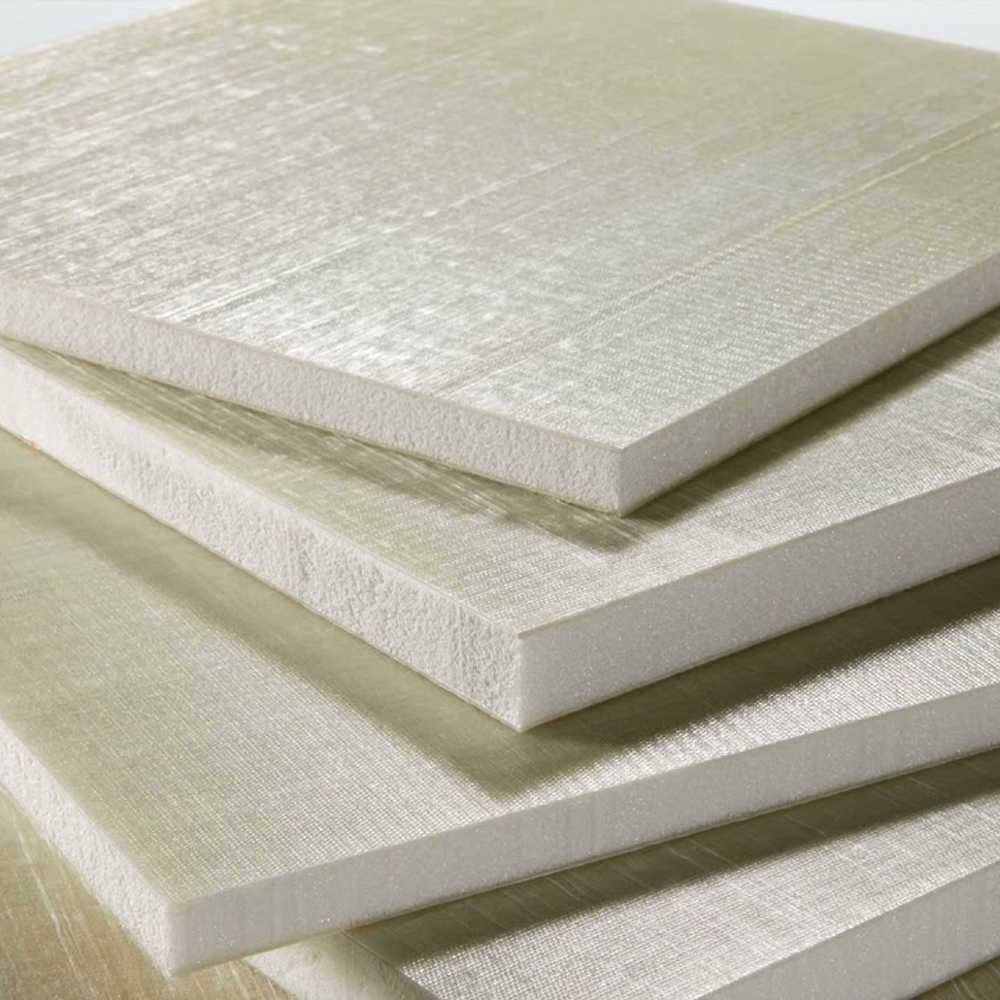
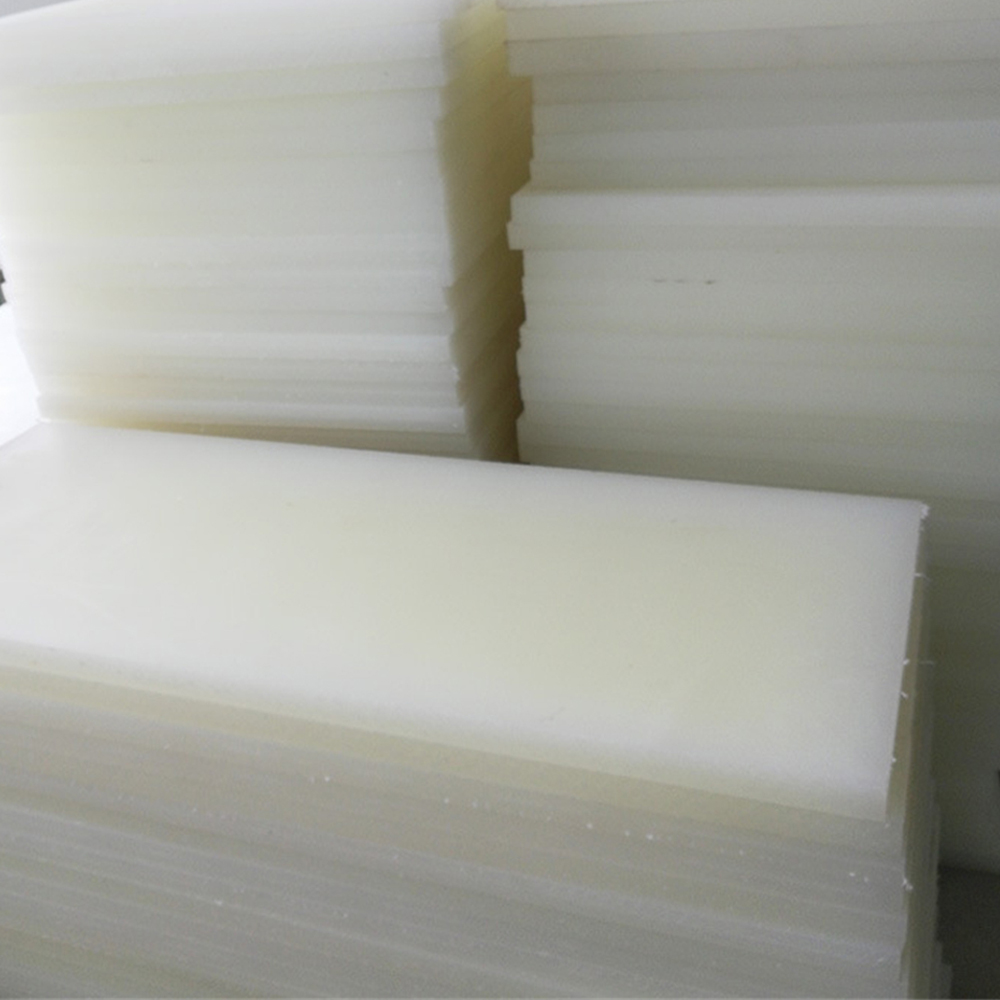
Introduction: Why Foam Core Material Selection Matters for Global Buyers
In the composite materials industry, selecting the correct Foam Core material is a critical decision for manufacturers, engineering companies, and procurement teams. The core material inside a sandwich structure determines not only the product’s weight and strength but also its durability, processing efficiency, and overall project cost.
With the rapid development of lightweight manufacturing, renewable energy, transportation, marine engineering, and sustainable construction, the demand for advanced foam core materials continues to grow.
However, buyers often face a difficult question:
Should we choose PVC Foam Core, PET Foam Core, XPS Foam Core, PU Foam Core, or PMI Foam Core?
Each material has different advantages:
- PVC Foam Core: high structural performance and durability
- PET Foam Core: sustainable lightweight composite solution
- XPS Foam Core: excellent insulation and moisture resistance
- PU Foam Core: cost-effective thermal insulation solution
- PMI Foam Core: premium performance for advanced applications
This guide provides a comprehensive comparison from a buyer’s perspective, helping procurement teams make better decisions based on mechanical performance, application requirements, and total cost.
1. Understanding the Role of Foam Core in Sandwich Structures
A sandwich panel consists of:
- Face sheets (FRP, carbon fiber, aluminum, steel, etc.)
- Core material
- Adhesive or resin bonding layer
The core material plays several important roles:
Increasing Structural Stiffness
A lightweight foam core increases the distance between the outer skins, significantly improving bending stiffness without adding excessive weight.
Reducing Overall Weight
Compared with solid materials, foam cores provide:
- Lower density
- Higher strength-to-weight ratio
- Improved energy efficiency
Improving Thermal Performance
Closed-cell foam cores reduce heat transfer and improve insulation performance.
Enhancing Product Durability
A suitable foam core helps resist:
- Impact
- Vibration
- Moisture
- Fatigue loading
Therefore, foam core selection directly affects the final product’s performance.
2. PVC Foam Core: The Industry Standard for Structural Composite Applications
Material Overview
PVC Foam Core is one of the most widely used structural foam cores in advanced composites.
Its closed-cell structure provides excellent mechanical properties and long-term stability.
Main Advantages
- High compression strength
- Excellent shear strength
- Low water absorption
- Good chemical resistance
- Excellent fatigue performance
- Compatible with multiple resin systems
Typical Applications
- Yacht hulls
- Marine decks
- Wind turbine blades
- Transportation panels
- Industrial composite structures
Buyer Considerations for PVC Foam Core
Recommended When:
✔ High structural strength is required
✔ The product will experience vibration or impact
✔ Long service life is important
Procurement Factors:
Buyers should check:
- Density consistency
- Thickness tolerance
- Cell structure uniformity
- Resin compatibility
PVC Foam Core is usually selected for projects where reliability is more important than the lowest material price.
3. PET Foam Core: Sustainable Lightweight Structural Solution
Material Overview
PET Foam Core is manufactured from polyethylene terephthalate polymer and has become one of the fastest-growing foam core materials.
The increasing focus on sustainable manufacturing has accelerated PET Foam Core adoption.
Main Advantages
- Recyclable material source
- Excellent strength-to-weight ratio
- Good temperature resistance
- Stable dimensional performance
- Suitable for automated production
Typical Applications
- Wind turbine components
- Electric vehicle structures
- Railway interiors
- Composite panels
- Sustainable building systems
Buyer Considerations for PET Foam Core
PET Foam Core is ideal for companies that require:
✔ Lightweight structures
✔ Environmental advantages
✔ Large-volume production capability
For modern composite manufacturers, PET Foam Core provides a strong balance between performance, sustainability, and cost.
4. XPS Foam Core: Best Choice for Insulation Applications
Material Overview
XPS Foam Core is an extruded polystyrene foam material known for excellent thermal insulation performance.
Its closed-cell structure provides:
- Low water absorption
- High moisture resistance
- Stable insulation performance
Main Advantages
- Excellent thermal conductivity
- Lightweight
- Easy processing
- Competitive price
Typical Applications
- Building insulation panels
- Tile backer boards
- Roof insulation
- Wall panels
- Prefabricated buildings
Buyer Considerations for XPS Foam Core
XPS is usually not selected for high-load structural composites.
It is better suited for:
- Construction insulation
- Energy-saving applications
- Moisture-resistant boards
For buyers focused on thermal performance and cost efficiency, XPS provides excellent value.
5. PU Foam Core: Cost-Effective Thermal Insulation Material
Material Overview
Polyurethane Foam Core is widely used in insulation-focused sandwich panels.
It is known for its extremely low thermal conductivity.
Main Advantages
- Excellent insulation performance
- Low density
- Low material cost
- Easy integration into sandwich panels
Typical Applications
- Refrigerated trucks
- Cold storage rooms
- Insulated building panels
- Temperature-controlled equipment
Buyer Considerations for PU Foam Core
PU Foam Core is recommended when:
- Thermal insulation is the primary requirement
- Structural loading is limited
- Cost efficiency is important
However, buyers should avoid using PU Foam Core in applications requiring high mechanical strength.
6. PMI Foam Core: High-End Engineering Foam Core
Material Overview
PMI Foam Core is a premium structural foam material designed for advanced composite applications.
It provides exceptional mechanical properties under demanding conditions.
Main Advantages
- Extremely high strength-to-weight ratio
- Excellent temperature resistance
- High dimensional stability
- Superior mechanical performance
Typical Applications
- Aerospace structures
- Racing vehicles
- High-speed transportation
- Advanced composite components
Buyer Considerations for PMI Foam Core
PMI Foam Core is normally selected when:
- Performance requirements exceed standard materials
- Weight reduction is extremely important
- Budget is less sensitive
Its higher price limits its use in general industrial applications.
7. Mechanical Property Comparison Table
| Property | PVC Foam Core | PET Foam Core | XPS Foam Core | PU Foam Core | PMI Foam Core |
|---|---|---|---|---|---|
| Structural Strength | ★★★★★ | ★★★★☆ | ★★★☆☆ | ★★☆☆☆ | ★★★★★ |
| Compression Resistance | Excellent | Excellent | Medium | Low | Outstanding |
| Shear Strength | Excellent | Good | Medium | Low | Excellent |
| Thermal Insulation | Good | Good | Excellent | Excellent | Good |
| Water Resistance | Excellent | Excellent | Excellent | Good | Excellent |
| Weight Reduction | Excellent | Excellent | Good | Excellent | Excellent |
| Sustainability | Medium | Excellent | Medium | Medium | Medium |
| Cost Level | Medium | Medium | Low | Low | High |
8. Foam Core Material Selection by Industry
Marine Industry
Recommended:
1. PVC Foam Core
2. PET Foam Core
Reasons:
- Water resistance
- Impact resistance
- Fatigue durability
Wind Energy Industry
Recommended:
1. PET Foam Core
2. PVC Foam Core
3. PMI Foam Core
Reasons:
- Lightweight blade design
- Long fatigue life
- Sustainable manufacturing requirements
Construction Industry
Recommended:
1. XPS Foam Core
2. PU Foam Core
3. PET Foam Core
Reasons:
- Thermal insulation
- Moisture resistance
- Cost efficiency
Transportation Industry
Recommended:
1. PET Foam Core
2. PVC Foam Core
3. PMI Foam Core
Reasons:
- Weight reduction
- Structural performance
- Energy saving
9. Key Purchasing Factors for Foam Core Buyers
Before selecting a supplier, procurement teams should evaluate:
1. Material Specifications
Confirm:
- Density range
- Thickness availability
- Compression strength
- Shear strength
- Thermal conductivity
2. Production Capability
A professional supplier should provide:
- Stable production capacity
- Customized dimensions
- Consistent quality control
- Technical support
3. Application Experience
Suppliers with industry experience can provide better recommendations regarding:
- Material grade
- Density selection
- Processing methods
10. Final Recommendation: How to Choose the Right Foam Core
There is no universal “best” foam core material. The correct choice depends on the application.
Choose PVC Foam Core for:
- Marine structures
- Wind turbine blades
- High-performance composites
Choose PET Foam Core for:
- Sustainable composite manufacturing
- Lightweight transportation
- Large-scale industrial applications
Choose XPS Foam Core for:
- Building insulation
- Moisture-resistant panels
Choose PU Foam Core for:
- Thermal insulation sandwich panels
Choose PMI Foam Core for:
- Aerospace and advanced engineering projects
Conclusion
The global foam core market is becoming more diversified as industries demand lighter, stronger, and more sustainable materials.
For procurement professionals, selecting foam core material should not be based only on purchase price. A successful material choice requires evaluating:
- Mechanical performance
- Application environment
- Manufacturing compatibility
- Long-term service cost
PVC Foam Core, PET Foam Core, XPS Foam Core, PU Foam Core, and PMI Foam Core each have unique advantages.
