

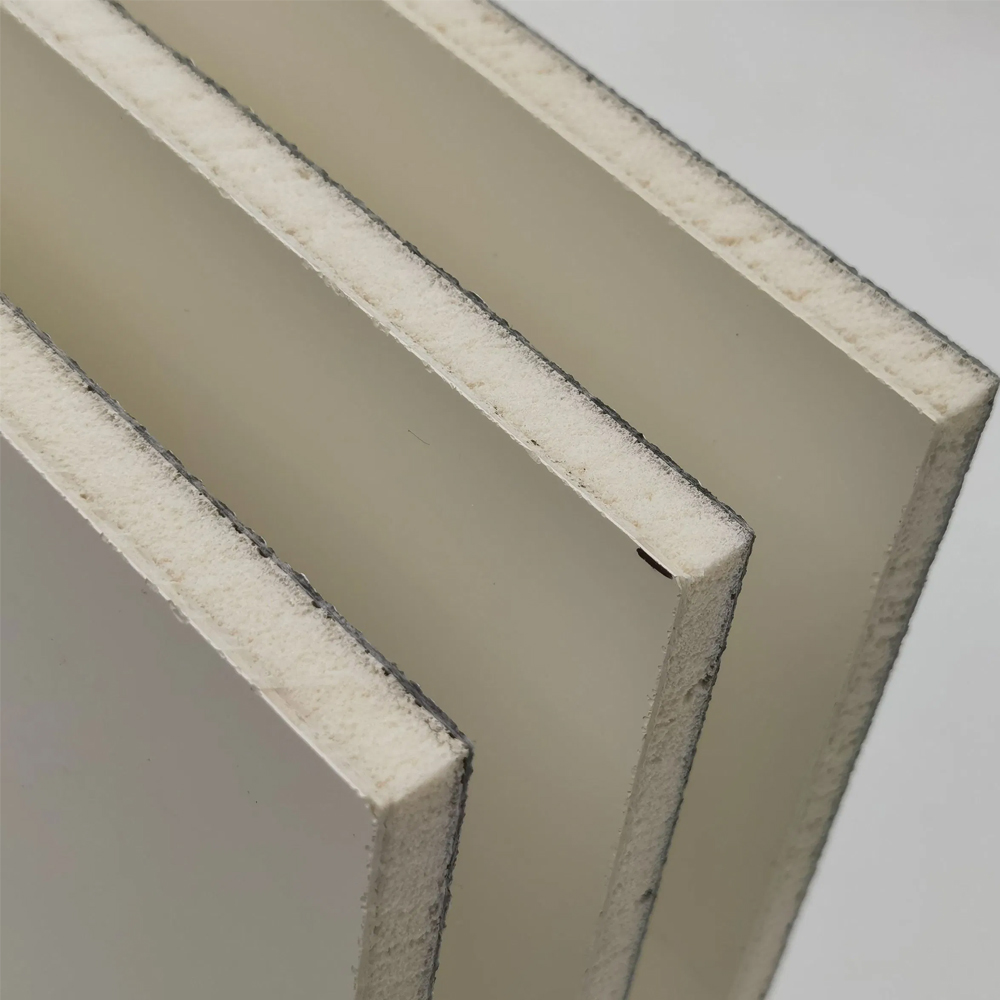
Introduction: Choosing the Right Foam Core for Marine Composite Applications
In the marine industry, composite materials are widely used for yacht hulls, boat decks, ship interiors, offshore structures, and lightweight marine components. As vessels become lighter, faster, and more energy-efficient, selecting the right structural foam core material has become increasingly important.
Among different core materials, PVC Foam Core and PET Foam Core are two major solutions used in marine composite structures.
For marine buyers and procurement managers, the decision between PVC Foam Core and PET Foam Core should not be based only on material price. The correct selection requires a comprehensive evaluation of:
- Mechanical performance
- Water resistance
- Weight reduction
- Processing compatibility
- Service life
- Total project cost
This article provides a buyer-focused comparison of PET Foam Core and PVC Foam Core to help marine manufacturers select the most suitable material for their projects.
1. The Role of Foam Core Materials in Marine Structures
Marine composite structures require materials that can withstand harsh operating environments, including:
- Continuous water exposure
- Saltwater corrosion
- Wave impact
- Vibration
- Long-term fatigue loading
In a sandwich composite structure, the foam core provides essential functions:
- Increasing bending stiffness
- Reducing structural weight
- Supporting outer skins
- Improving impact resistance
- Maintaining long-term structural stability
Therefore, the foam core is not simply a lightweight filler material. It is a key structural component that determines vessel performance and durability.
2. PVC Foam Core for Marine Applications
Proven Structural Performance
PVC Foam Core has been widely used in marine composite manufacturing for decades. It is considered one of the most reliable structural core materials for yacht and boat construction.
Its closed-cell structure provides excellent:
- Compression strength
- Shear strength
- Fatigue resistance
- Water resistance
- Resin compatibility
Advantages of PVC Foam Core
1. Excellent Mechanical Strength
Marine structures often experience repeated loads from waves, engine vibration, and passenger movement.
PVC Foam Core provides strong resistance against:
- Panel deformation
- Core crushing
- Delamination
This makes it suitable for:
- Yacht hulls
- Boat decks
- Marine flooring
- Structural panels
2. Excellent Water Resistance
Water absorption is a critical factor for marine materials.
PVC Foam Core features:
- Closed-cell structure
- Low moisture absorption
- Stable performance in humid environments
This helps extend the service life of marine composite structures.
3. Long-Term Reliability
For premium marine projects where maintenance costs are high, PVC Foam Core provides proven durability.
Typical applications:
- Luxury yachts
- Commercial vessels
- Offshore equipment
3. PET Foam Core for Marine Applications
Sustainable Structural Alternative
PET Foam Core has gained increasing attention in the marine industry due to growing demand for sustainable composite materials.
Manufactured from polyethylene terephthalate polymer, PET Foam Core offers a balance between performance, environmental advantages, and cost efficiency.
Advantages of PET Foam Core
1. Lightweight Performance
Weight reduction is a major goal in modern vessel design.
A lighter vessel can achieve:
- Lower fuel consumption
- Higher speed
- Increased payload capacity
- Reduced operating cost
PET Foam Core provides an excellent strength-to-weight ratio for lightweight marine structures.
2. Sustainability Advantages
Compared with traditional materials, PET Foam Core provides better environmental value.
Benefits include:
- Recyclable material source
- Lower environmental impact
- Support for sustainable manufacturing goals
For marine companies targeting green product development, PET Foam Core is an attractive option.
3. Good Processing Performance
PET Foam Core works well with common composite manufacturing methods:
- Vacuum infusion
- Resin infusion
- Adhesive bonding
- Lamination processes
This makes it suitable for modern marine production lines.
4. PET Foam Core vs PVC Foam Core: Performance Comparison
| Property | PVC Foam Core | PET Foam Core |
|---|---|---|
| Structural Strength | Excellent | Excellent |
| Compression Strength | Higher in premium grades | Very Good |
| Shear Strength | Excellent | Good |
| Water Resistance | Excellent | Excellent |
| Weight Reduction | Excellent | Excellent |
| Temperature Resistance | Good | Excellent |
| Sustainability | Medium | Excellent |
| Cost Efficiency | Medium | Good |
| Marine Experience | Very Mature | Growing Rapidly |
5. Cost Analysis: Initial Price vs Total Value
For marine buyers, the cheapest material is not always the most economical choice.
The real project cost includes:
- Material purchase cost
- Processing efficiency
- Production waste
- Maintenance requirements
- Product lifespan
PVC Foam Core Cost Consideration
PVC Foam Core usually has a higher material cost compared with general foam materials.
However, it provides:
- Lower failure risk
- Better structural reliability
- Longer service life
For high-value vessels, the additional material cost can be justified by improved durability.
PET Foam Core Cost Consideration
PET Foam Core provides a competitive balance between cost and performance.
Advantages:
- Stable supply
- Good mechanical properties
- Sustainable value
- Suitable for large production volumes
For manufacturers producing many vessels or composite panels, PET Foam Core can provide better cost control.
6. Which Marine Applications Should Choose PVC or PET Foam Core?
Yacht and High-End Boat Manufacturing
Recommended:
PVC Foam Core
Reasons:
- Maximum structural reliability
- Excellent fatigue resistance
- Proven marine performance
Commercial Marine Panels
Recommended:
PVC Foam Core or PET Foam Core
Selection depends on:
- Load requirements
- Production volume
- Sustainability targets
Lightweight Marine Components
Recommended:
PET Foam Core
Reasons:
- Excellent weight reduction
- Good performance-to-cost ratio
- Environmental advantages
7. Procurement Checklist for Marine Buyers
Before purchasing Foam Core materials, buyers should evaluate:
Material Specifications
Confirm:
- Density
- Thickness
- Compression strength
- Shear strength
- Water absorption
Manufacturing Compatibility
Check whether the material supports:
- Vacuum infusion process
- Resin system compatibility
- Cutting and machining requirements
Supplier Capability
A reliable supplier should provide:
- Consistent quality control
- Customized specifications
- Technical support
- Stable production capacity
Conclusion: PVC Foam Core or PET Foam Core for Marine Structures?
Both PVC Foam Core and PET Foam Core are excellent choices for marine composite applications.
PVC Foam Core remains the preferred solution for high-performance marine structures requiring maximum strength, durability, and long-term reliability.
PET Foam Core is becoming an increasingly popular alternative for manufacturers seeking lightweight performance, sustainability, and cost efficiency.
For marine procurement teams, the best choice depends on project requirements:
- Choose PVC Foam Core for premium yachts, demanding structural applications, and maximum reliability.
- Choose PET Foam Core for lightweight designs, sustainable manufacturing, and cost-effective production.
A professional material selection strategy can help marine manufacturers reduce weight, improve vessel performance, and achieve better long-term value.
