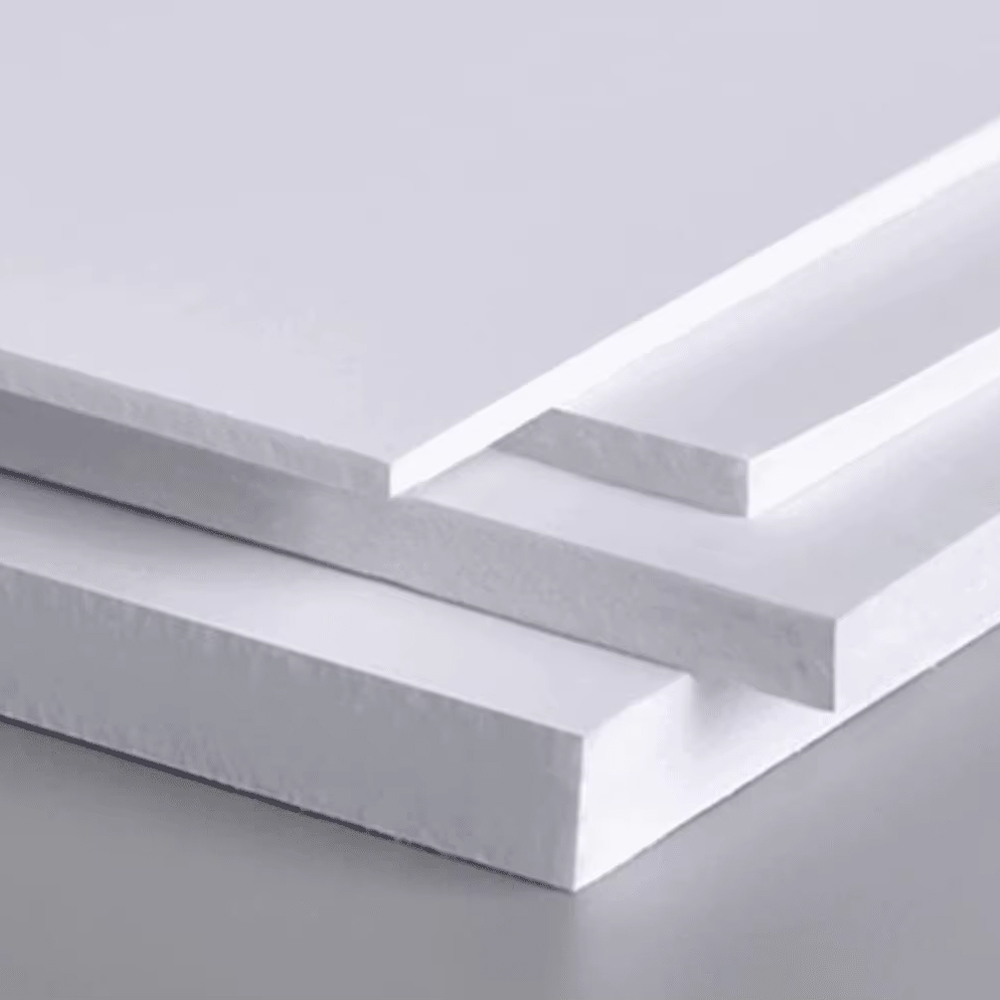
Density is one of the most important specifications when evaluating composite core materials, but it is also one of the most frequently misunderstood parameters. In general, increasing core density can improve compressive strength, shear strength, and resistance to local deformation. However, higher density also increases structural weight and material cost. Therefore, the highest-density material is rarely the automatic best choice.
For foam core materials, density is strongly related to the amount and structure of polymer material within the cellular matrix. A low-density foam may provide excellent weight savings but may have limited resistance to concentrated loads. A higher-density foam can provide greater compressive and shear performance, making it more suitable for structural areas exposed to higher loads.
However, density alone cannot predict the performance of composite core materials. Two materials with the same nominal density may have very different mechanical properties because of differences in polymer chemistry, cell structure, manufacturing technology, and formulation.
For honeycomb cores, density is influenced by several factors, including cell size, foil thickness, material type, and cell geometry. A relatively small change in foil thickness can significantly affect the mechanical performance and weight of the finished core.
Procurement teams should therefore avoid comparing suppliers solely on quoted density. A better approach is to compare density together with compressive strength, shear strength, shear modulus, thickness tolerance, and other relevant properties.
Density consistency between production batches is also extremely important. If a supplier produces material with significant density variation, the finished sandwich panels may experience variations in weight and mechanical performance. For high-volume applications, buyers should establish acceptable density tolerances and require batch-level inspection or certificates of analysis.
The relationship between density and cost should also be considered. A higher-density composite core material may have a higher price per cubic meter, but if it allows the designer to use a thinner core or reduce local reinforcement, the total system cost may still be lower.
The correct procurement strategy is therefore not to purchase the highest-density material available. Instead, buyers should identify the minimum density that provides sufficient structural performance, durability, processing reliability, and safety margin.
In engineering applications, the most useful concept is often performance per unit weight, not density alone. This approach helps companies optimize material consumption, transportation costs, structural weight, and long-term operating efficiency.