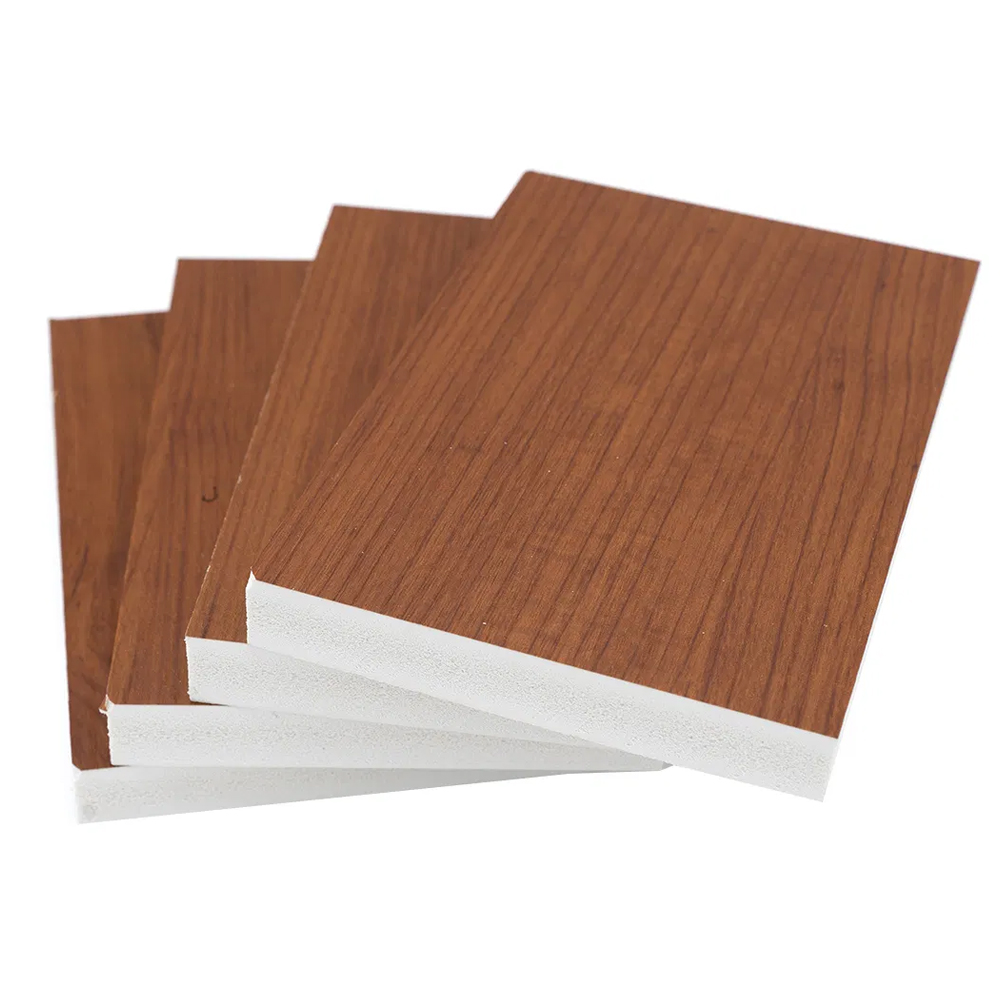
Foam Core and Honeycomb Core represent two major categories of composite core materials, and both are widely used in sandwich structures. Although they perform a similar fundamental function—separating the outer skins and transferring loads—their internal structures, mechanical behavior, manufacturing characteristics, and ideal applications are different.
Foam core materials have a continuous cellular structure. Common examples include PVC Foam Core, PET Foam Core, PMI Foam Core, XPS Foam Core, and PU Foam Core. Their continuous structure generally makes them easy to cut, machine, bond, and shape. Foam cores are available in a wide range of densities and thicknesses, allowing engineers to select different performance levels for different structural zones.
Honeycomb core materials, including Aluminum Honeycomb Core, PP Honeycomb Core, and Aramid Honeycomb Core, consist of interconnected cellular walls that form a honeycomb geometry. Their main advantage is an excellent stiffness-to-weight ratio. Honeycomb structures can provide very high bending stiffness at relatively low weight, making them attractive for aerospace, transportation, marine structures, architectural panels, and industrial equipment.
One major difference is local load behavior. Foam core materials generally provide more continuous support under local compression. Honeycomb structures can be highly efficient under distributed loading but may require local reinforcement around concentrated loads, fasteners, hinges, inserts, or mounting points.
Manufacturing is another important difference. Foam can often be CNC machined, grooved, perforated, or thermoformed relatively easily. Honeycomb may require specific cutting and edge treatment processes. In resin infusion applications, the internal geometry of the core can also influence resin flow.
Moisture resistance, fire performance, thermal insulation, impact resistance, and fatigue behavior also vary significantly between different materials.
From a procurement perspective, buyers should avoid treating “foam versus honeycomb” as a simple quality ranking. The correct choice depends on the structural design. For example, an aluminum honeycomb may be highly attractive for a lightweight architectural panel, while a high-density PVC or PET foam may be more appropriate for a marine structure requiring easier machining and better local support.
The best way to compare composite core materials is to evaluate measurable engineering parameters such as density, compressive strength, shear strength, shear modulus, water absorption, thermal conductivity, fire performance, fatigue behavior, and manufacturing compatibility.
For large projects, procurement teams should also compare the total cost of the complete sandwich panel rather than the core material alone.