
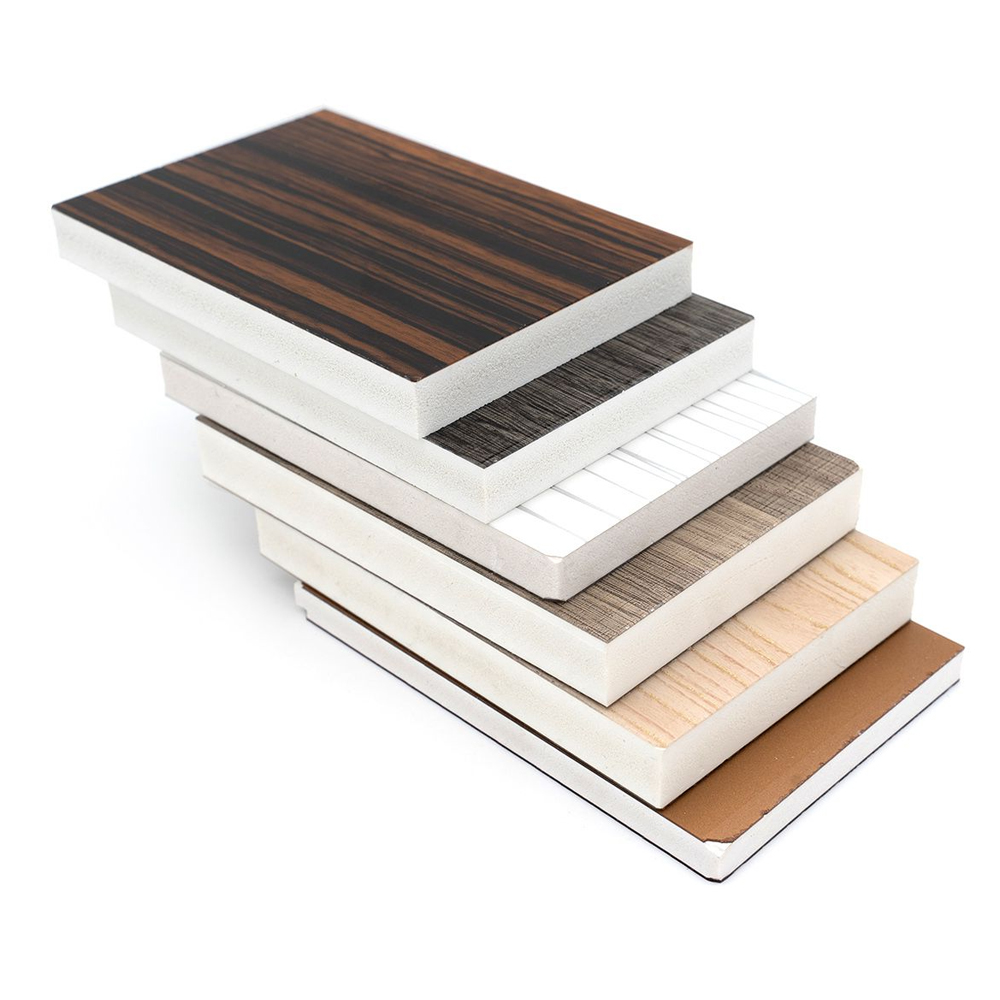
Selecting the right composite core materials requires a systematic evaluation of structural loads, environmental conditions, manufacturing processes, weight targets, certification requirements, and total cost. For procurement managers, selecting a core material should not begin with the question, “Which material is cheapest?” Instead, the first question should be, “What performance does the finished sandwich structure need to achieve?”
The first factor is the load condition. If a sandwich panel is primarily subjected to bending, the core’s shear strength and shear modulus become particularly important. If the panel experiences concentrated loads, impact, fastener loads, or compression, compressive strength and local load-bearing capability may become more important. Different composite core materials have very different responses to these loading conditions.
The second factor is density. Lower-density materials can reduce structural weight, but they may also provide lower compressive and shear strength. Higher-density materials generally offer better mechanical performance but increase weight and material cost. The optimal solution is usually the lowest density that can reliably meet the required structural performance.
The third consideration is the operating environment. Marine applications require low water absorption and long-term moisture resistance. Building applications may require specific fire ratings and thermal insulation properties. Transportation applications may require impact resistance, vibration resistance, and low weight. Industrial applications may involve elevated temperatures, chemicals, or repeated mechanical loads.
Manufacturing technology is another critical consideration. Vacuum infusion, RTM, prepreg, compression molding, hand lay-up, and adhesive bonding impose different requirements on composite core materials. A core that performs well in one manufacturing process may not be the most suitable option for another. For example, resin flow characteristics can be extremely important in vacuum infusion, while temperature resistance may become critical in prepreg processing.
Procurement teams should also evaluate dimensional tolerances, surface treatment, cutting requirements, panel size, supply capacity, MOQ, lead time, and batch consistency.
A well-designed RFQ should specify the material type, density, thickness, dimensions, mechanical requirements, manufacturing process, application environment, and required certifications. Suppliers should then provide technical data sheets and test reports for direct comparison.
Ultimately, the correct composite core materials are those that provide the required structural performance at the lowest practical total lifecycle cost. The cheapest material is not necessarily the most economical solution if it increases processing time, material consumption, structural weight, or failure risk.
