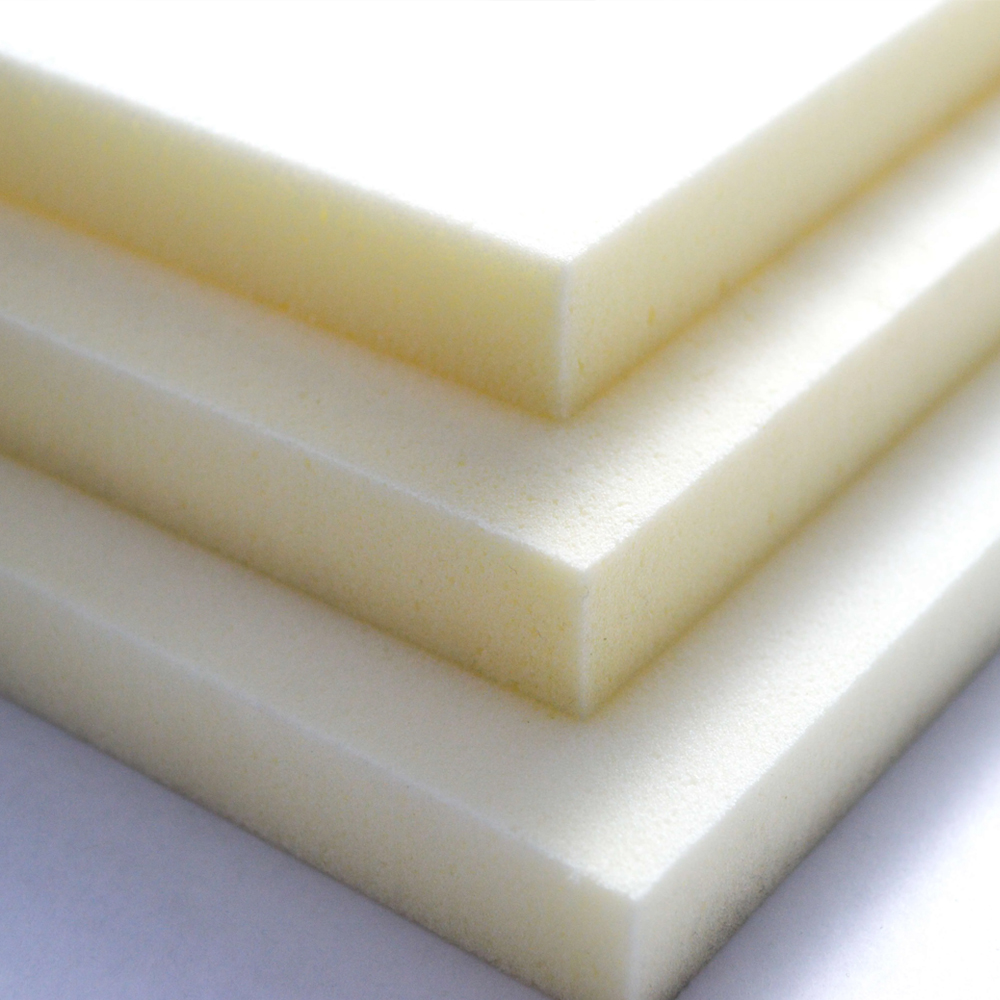
Fire performance is an increasingly important consideration when selecting composite core materials, particularly for building panels, transportation equipment, marine interiors, public infrastructure, industrial facilities, and enclosed spaces. However, buyers should understand that “fire resistant,” “flame retardant,” and “fire rated” do not necessarily mean the same thing.
Different composite core materials have different combustion characteristics. Some polymer-based foam cores can be modified through formulation and flame-retardant systems to improve fire performance. Honeycomb materials, depending on their construction and material type, can offer different levels of fire behavior. However, the performance of the finished sandwich panel depends on more than the core itself.
The complete system includes the outer skins, adhesive, coatings, joints, fasteners, surface finishes, and core. A core material that performs well in an isolated laboratory test does not automatically mean that the finished sandwich panel will achieve the required fire classification.
This is particularly important for procurement teams. Instead of asking a supplier, “Is this composite core material fireproof?” buyers should specify the required fire test standard and the intended application.
For example, a building project may require a specific reaction-to-fire classification. A marine application may require compliance with relevant marine fire regulations. A transportation project may have requirements for flame spread, smoke generation, and toxicity.
The test method is also important. Two suppliers may provide fire performance data generated using different standards, making direct comparison difficult. Buyers should verify the test standard, sample construction, core density, thickness, face materials, adhesive system, laboratory, and test date.
Another consideration is thickness. Fire performance can change with core thickness and with the configuration of the entire sandwich panel. Therefore, certification for one panel construction should not automatically be assumed to cover every thickness and skin combination.
For major projects, procurement should request complete certification packages, including technical data sheets, fire test reports, declarations of conformity, and applicable third-party certification.
The selection of composite core materials should therefore be based on system-level fire performance rather than marketing terminology. A professional buyer should evaluate the complete sandwich panel against the actual regulatory requirements of the target market.
In short, fire performance is not simply a material property; it is a system performance issue. Correct specification at the RFQ stage can prevent costly redesigns, failed certification tests, and delays during project approval.