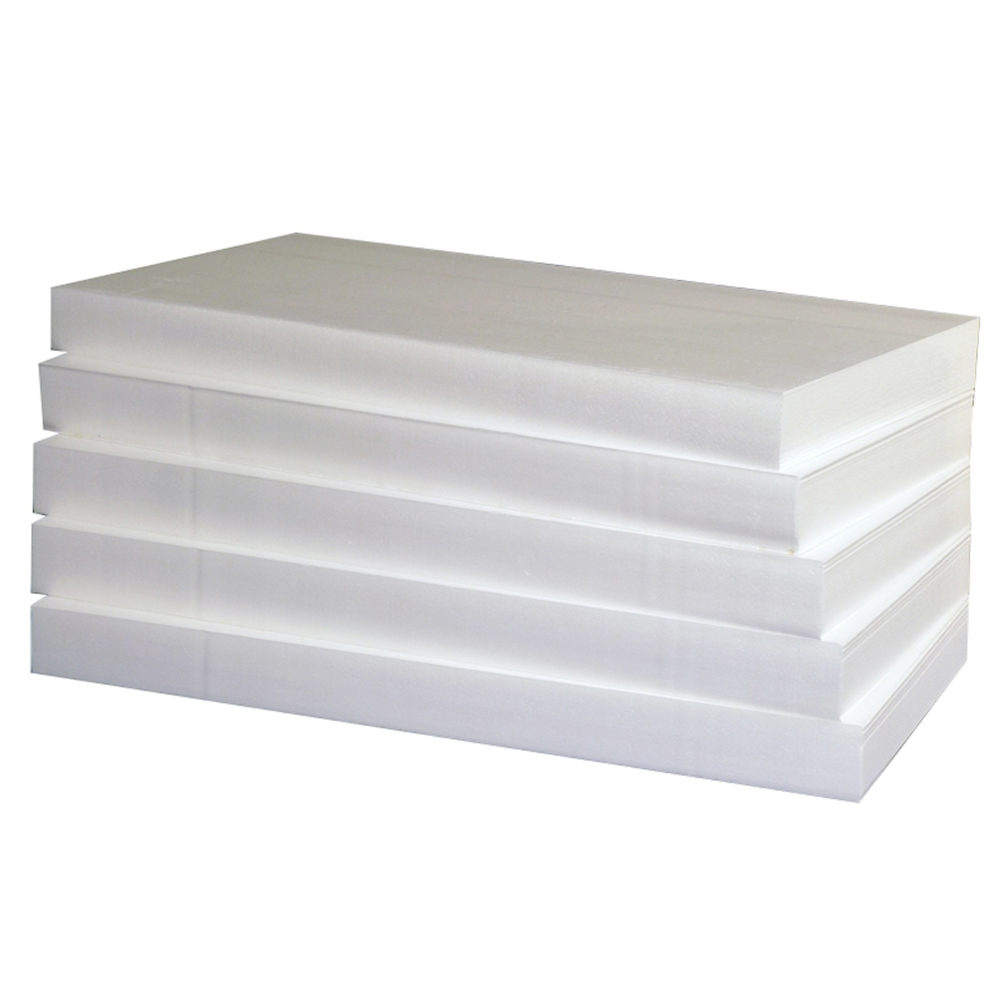
When purchasing composite core materials, a clear mechanical specification is essential for ensuring that the selected material will perform reliably in the final sandwich structure. A product description such as “high-strength foam core” is not sufficient for engineering procurement because different suppliers may use completely different definitions of “high strength.”
The most important mechanical properties usually include density, compressive strength, compressive modulus, shear strength, and shear modulus. These parameters describe how the core behaves under different loading conditions.
Compressive strength is important when the core experiences local pressure or when the skins transfer compressive loads into the core. Shear strength is particularly important in sandwich structures because the core transfers transverse shear forces between the two skins. Shear modulus affects the deformation and overall stiffness of the sandwich panel.
For applications involving repeated loading, fatigue performance should also be considered. Wind turbine blades, marine structures, transportation panels, and industrial equipment may experience millions of loading cycles during their service life. Static mechanical data alone cannot adequately predict long-term performance.
Creep resistance is another important property for structures subjected to sustained loads. Certain low-density composite core materials can experience time-dependent deformation under continuous compression or shear.
Environmental conditioning should also be considered. Mechanical properties can change after exposure to moisture, elevated temperature, chemicals, or repeated temperature cycling. For demanding applications, buyers should request mechanical data after environmental conditioning rather than relying only on room-temperature test results.
Dimensional tolerance is also a practical engineering property. Thickness variation in the core can affect the final panel thickness, adhesive consumption, surface flatness, and structural performance.
A professional purchasing specification should therefore define:
- Material type
- Nominal density and tolerance
- Thickness and thickness tolerance
- Compressive strength
- Compressive modulus
- Shear strength
- Shear modulus
- Tensile properties where applicable
- Fatigue requirements
- Water absorption
- Operating temperature
- Fire performance
- Dimensional tolerances
- Test standards
For large-volume purchasing, buyers should also require batch-level quality documentation. This helps ensure that the supplied composite core materials remain consistent over time.
Ultimately, the goal is not simply to purchase a material that has impressive laboratory numbers. The goal is to purchase a core material with predictable and repeatable performance that matches the actual design requirements, manufacturing process, environmental conditions, and expected service life of the finished sandwich structure.