
Sustainability has become an increasingly important consideration when selecting composite core materials, particularly for companies that operate under ESG requirements, carbon-reduction targets, green-building programs, or customer sustainability policies.
Historically, core-material selection was primarily based on density, strength, processing characteristics, and price. Today, buyers are increasingly evaluating recycled content, manufacturing emissions, energy consumption, product lifespan, recyclability, and end-of-life treatment.
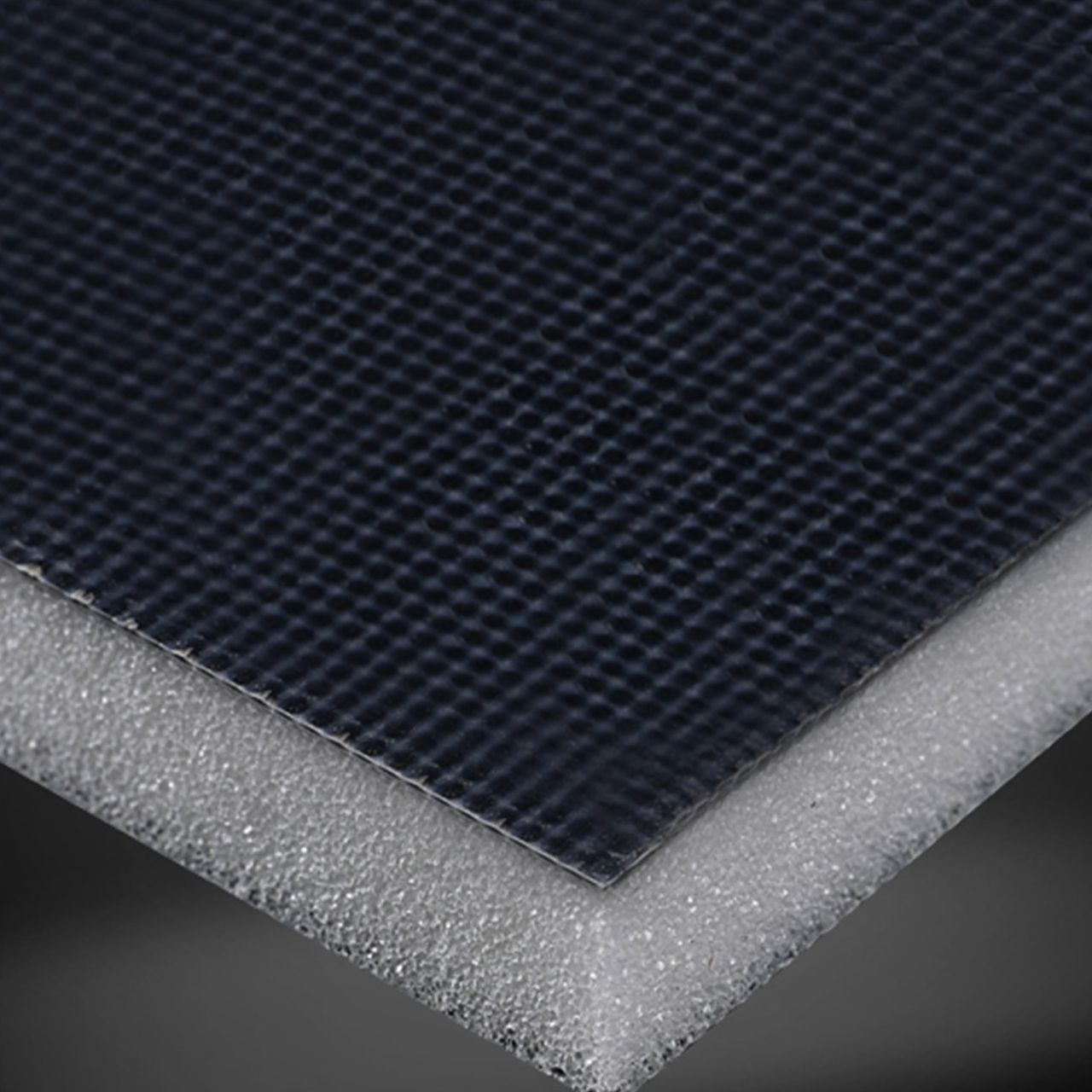
PET Foam Core is an important example. PET-based composite core materials can potentially incorporate recycled PET feedstock, depending on the manufacturer’s manufacturing process and product formulation. This can provide an advantage for projects where recycled content is an important purchasing criterion.
However, recycled content alone should not determine the sustainability ranking of a material. A proper evaluation should consider the entire lifecycle.
Sustainability Evaluation Framework
| Factor | Key Procurement Question |
| Raw material | Is recycled feedstock used? |
| Manufacturing | What is the energy consumption? |
| Carbon footprint | Is verified carbon data available? |
| Transportation | How efficiently can the material be shipped? |
| Service life | How long can the material perform? |
| Weight | Can it reduce total structural weight? |
| Durability | Does it resist moisture and aging? |
| Recyclability | Can the material be recovered? |
| Waste | Can production scrap be minimized? |
| Documentation | Is environmental data independently verified? |
The service life of composite core materials is particularly important. A material with a slightly higher manufacturing footprint may still provide better environmental performance if it lasts significantly longer and requires fewer replacements.
Weight reduction also contributes to sustainability. In transportation and marine applications, reducing structural mass can lower energy consumption during the operational life of the product. In wind energy applications, lightweight structures can help optimize blade performance and reduce structural loads.
Manufacturing waste is another important factor. CNC-cut kits, optimized sheet dimensions, and nesting software can reduce offcuts and improve material utilization.
For procurement teams, environmental claims should be supported by documentation rather than marketing language. Depending on the project, buyers may request recycled-content declarations, Environmental Product Declarations (EPDs), Life Cycle Assessment (LCA) data, carbon-footprint information, or other environmental documentation.
At the same time, sustainability must not compromise structural safety. Replacing a conventional core with a more sustainable alternative requires verification of mechanical properties, fatigue performance, fire behavior, moisture resistance, and manufacturing compatibility.
The most effective strategy is therefore to evaluate composite core materials using a life-cycle perspective. Instead of asking only, “Which material has the highest recycled content?” buyers should ask:
Which material provides the required structural performance, service life, manufacturing efficiency, and environmental performance with the lowest overall lifecycle impact?
For manufacturers supplying global markets, this approach can also improve competitiveness because sustainability documentation is increasingly becoming part of international supplier qualification.
