
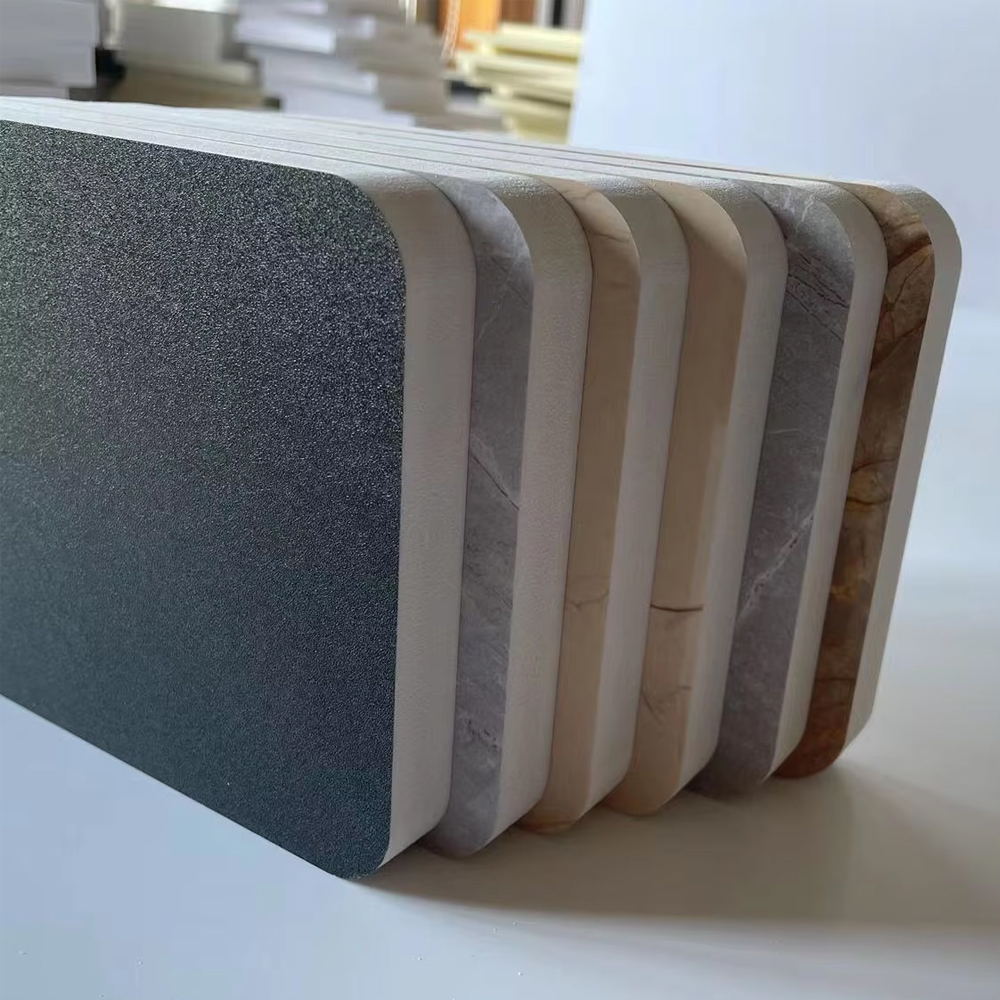
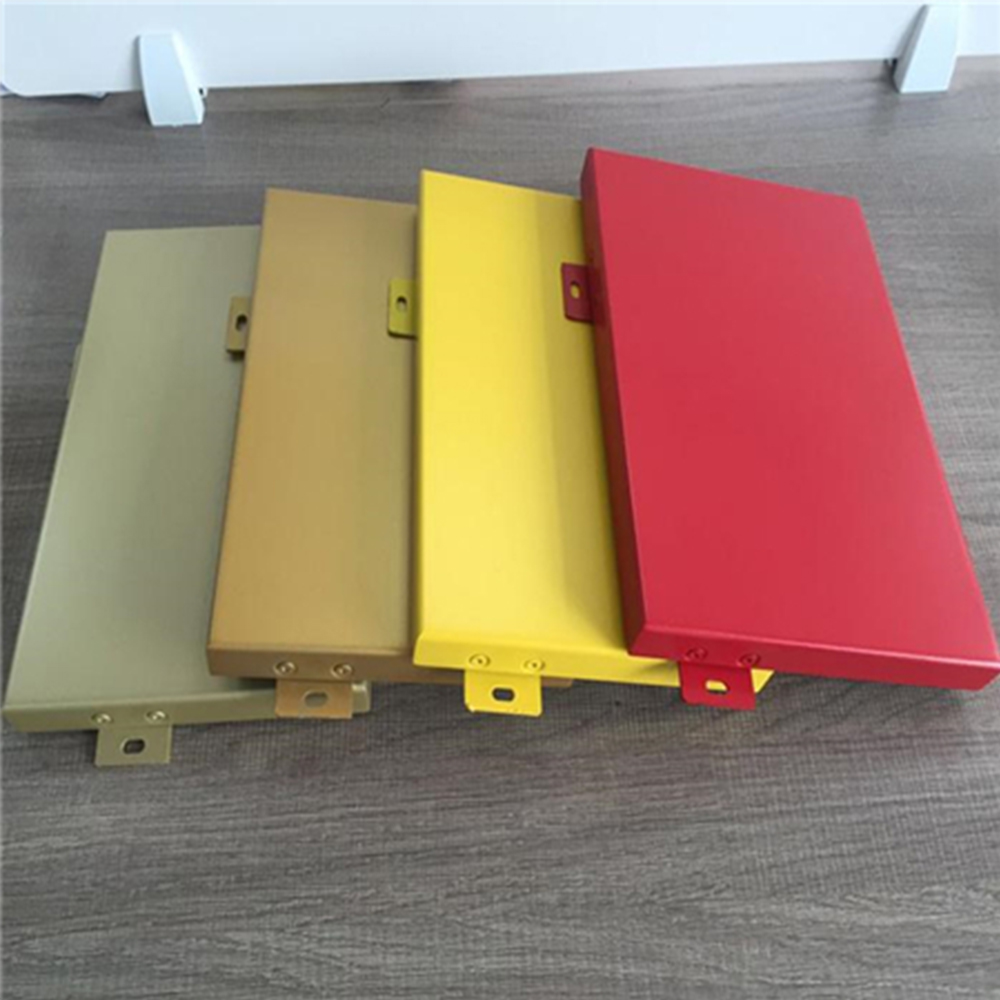
Modern building exteriors require materials that combine architectural appearance, durability, lightweight construction, and efficient installation. Aluminum composite panel cladding has become a widely used solution for commercial buildings, residential projects, offices, hotels, retail stores, and other architectural applications. With its flat surface, wide range of finishes, and relatively low structural weight, aluminum composite panels provide architects and contractors with greater flexibility when designing contemporary building facades.
What Is Aluminum Composite Panel Cladding?
Aluminum composite panel cladding is an exterior wall system that uses aluminum composite panels as the visible facade material. A typical aluminum composite panel consists of aluminum skins bonded to a lightweight core material. Depending on the project requirements, different panel thicknesses, aluminum skin thicknesses, core materials, coatings, and surface finishes can be selected.
The panels can be processed into different shapes and sizes through cutting, routing, folding, and other fabrication methods. They can then be installed onto a supporting substructure to create an exterior wall or architectural facade.
For building projects, material selection should consider not only appearance but also mechanical performance, weather resistance, fire performance, panel dimensions, installation method, and local building regulations.
Why Use Aluminum Composite Panels for Exterior Walls?
One of the main advantages of aluminum composite panels is their combination of lightweight construction and good rigidity. Compared with some traditional facade materials, aluminum composite panels can reduce the weight of the exterior cladding system, which may simplify handling and installation.
Another important advantage is design flexibility. Aluminum composite panels are available in different colors, textures, metallic finishes, stone effects, wood effects, and customized surface treatments. This allows architects to create clean geometric facades or combine multiple finishes within the same building envelope.
The smooth panel surface can also contribute to a modern architectural appearance. Large-format panels can reduce visual interruptions and create continuous facade lines, while smaller fabricated panels can be used for more detailed architectural designs.
Material Selection for Exterior Building Facades
Material selection is a critical part of an aluminum composite panel cladding project. The panel specification should match the building’s location, height, environmental conditions, facade design, and applicable construction standards.
Important factors include:
- Aluminum skin thickness
- Core material
- Panel thickness
- Surface coating
- Color and finish
- Weather resistance
- Fire performance
- Impact resistance
- Fabrication requirements
- Supporting structure and fixing method
For projects located in coastal or industrial environments, resistance to moisture, salt exposure, and pollutants can be particularly important. For high-rise and large commercial buildings, designers should pay close attention to wind load, panel fixing, joint design, and the complete facade system rather than evaluating the panel alone.
Aluminum Composite Panel Cladding Design
Modern facade design often uses aluminum composite panels because they can be fabricated into different configurations. Panels can be arranged horizontally, vertically, diagonally, or in customized patterns depending on the architectural concept.
Color combinations can also be used to emphasize entrances, structural lines, balconies, windows, and other building features. Wood-look and stone-look finishes can provide a natural appearance while maintaining the lightweight characteristics of a panel-based facade system.
For commercial buildings, a combination of metallic and solid-color panels can create a distinctive corporate image. In residential architecture, neutral colors and textured finishes are often used to create a clean and contemporary appearance.
Good design should also consider panel joints, expansion allowances, drainage, ventilation, and access for future maintenance.
Applications in Modern Architecture
Aluminum composite panel cladding is suitable for a wide range of exterior building applications.
Commercial Buildings
Shopping centers, office buildings, supermarkets, and commercial complexes frequently use aluminum composite panels for facade decoration and exterior wall systems. The material allows designers to create visually consistent building elevations while accommodating different architectural forms.
Residential Buildings
Aluminum composite panels can be used on apartment buildings, villas, residential entrances, balconies, and selected exterior wall areas. They are particularly useful when architects want to introduce modern geometric elements into residential facades.
Hotels and Public Buildings
Hotels, hospitals, schools, transportation facilities, and public buildings often require durable and visually coordinated exterior finishes. Aluminum composite panels can be incorporated into facade designs around entrances, window sections, canopies, and other architectural elements.
Building Renovation
For renovation projects, aluminum composite panel cladding can provide a practical way to update the appearance of an existing building. Panels can be used to cover selected facade areas or create an entirely new architectural appearance, depending on the existing structure and project requirements.
Installation Considerations
The performance of an exterior cladding system depends heavily on correct installation. Before installation, contractors should verify the supporting structure, panel dimensions, fixing points, joint arrangement, and alignment.
Common installation methods may include mechanical fixing systems, cassette systems, or other fabricated panel systems depending on the design. The supporting framework must be properly aligned so that the finished facade remains flat and consistent.
Special attention should be given to panel joints and building movement. Exterior walls are exposed to temperature changes, wind, rain, and other environmental conditions. Proper joint and fixing design helps accommodate movement and reduce the risk of deformation or water-related problems.
Installation should always follow the approved architectural drawings, engineering requirements, manufacturer recommendations, and applicable local building codes.
Conclusion
Aluminum composite panel cladding offers a flexible approach to modern building exterior design by combining lightweight construction, architectural versatility, and efficient panel fabrication. From commercial facades and residential buildings to hotels, public facilities, and renovation projects, aluminum composite panels can be adapted to many exterior wall applications.
For architects, contractors, and building material buyers, the best solution is not simply to select a panel based on color or price. The complete project should be evaluated, including the aluminum skin, core material, coating, fire performance, structural requirements, fixing system, joint design, and installation method.
By selecting the appropriate material specification and integrating the panels with a properly engineered cladding system, building projects can achieve both a modern architectural appearance and reliable long-term facade performance.
