

Engineered balsa wood panels provide lightweight strength, durability, and sustainability for marine, yacht, and shipbuilding sandwich structures, optimizing performance, efficiency, and long-term reliability in demanding marine environments.
Engineered Balsa Wood Panels have long been recognized as a benchmark core material in high-performance marine, yacht, and shipbuilding applications. Derived from carefully selected balsa timber and processed through advanced engineering methods, these panels deliver an exceptional balance of lightweight structure, mechanical strength, durability, and sustainability. As composite sandwich construction continues to dominate modern marine design, balsa wood remains a trusted solution for hulls, decks, bulkheads, superstructures, and interior panels.
Material Overview
Balsa wood is a natural hardwood known for its extremely low density and high specific strength. When engineered into panels, end-grain or cross-grain balsa blocks are bonded together with controlled grain orientation to maximize compressive strength, shear resistance, and fatigue performance. Compared with traditional solid laminates, engineered balsa panels significantly reduce overall vessel weight while maintaining structural integrity and stiffness.
In marine environments, where weight reduction directly translates into improved fuel efficiency, higher payload capacity, and enhanced speed, engineered balsa wood panels provide a compelling advantage. Their natural cellular structure acts as an efficient load distributor, making them particularly suitable for sandwich panels combined with fiberglass (FRP), carbon fiber (CFRP), or other composite skins.
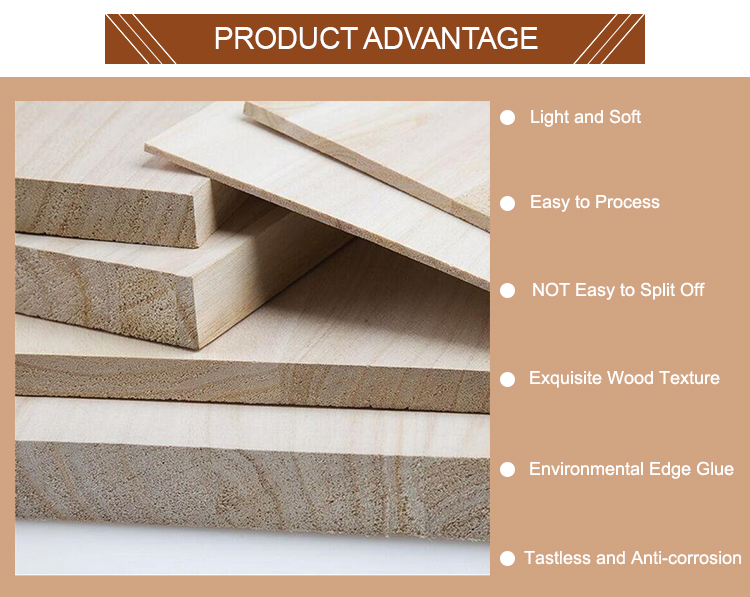
Key Performance Advantages
One of the defining characteristics of engineered balsa wood panels is their outstanding strength-to-weight ratio. Despite their low density, these panels exhibit excellent compressive and shear properties, allowing them to withstand heavy mechanical loads and repeated cyclic stresses common in marine operations.
Balsa wood also offers superior thermal and acoustic insulation compared with many synthetic core materials. This contributes to improved onboard comfort by reducing heat transfer and dampening noise and vibration, especially important in luxury yachts and passenger vessels.
From a durability perspective, modern engineered balsa panels are treated and manufactured to ensure consistent moisture resistance. When properly sealed within composite laminates, balsa cores demonstrate long service life even in harsh marine conditions.
Manufacturing and Engineering Process
Engineered balsa wood panels are produced using kiln-dried balsa blocks that are graded by density and quality. These blocks are precision-cut and bonded into panels with controlled grain orientation, often in an end-grain configuration. This structure enhances compressive strength and impact resistance while allowing resin to flow easily during lamination, ensuring excellent bonding with composite skins.
Quality control during production focuses on density uniformity, moisture content, bonding strength, and dimensional accuracy. This ensures predictable mechanical performance and compatibility with vacuum infusion, resin transfer molding (RTM), and hand lay-up processes commonly used in marine composite manufacturing.
Typical Applications in Marine and Shipbuilding
Engineered balsa wood panels are widely used across different vessel types and construction zones, including:
- Hull shells and hull bottoms
- Decks and superstructures
- Bulkheads and partitions
- Cockpit floors and interior panels
- Workboats, patrol boats, ferries, yachts, and leisure craft
Their versatility allows designers and builders to optimize structural performance while controlling cost and weight.
Sustainability and Environmental Benefits
As a natural and renewable resource, balsa wood aligns well with the growing demand for sustainable materials in marine construction. Balsa trees grow rapidly and can be harvested responsibly, resulting in a lower carbon footprint compared with petrochemical-based foam cores. This makes engineered balsa wood panels an environmentally responsible choice without compromising technical performance.
Typical Technical Data
Below is an indicative technical data table for engineered balsa wood panels used in marine applications. Actual values may vary depending on density grade and manufacturing specifications.
| Property | Typical Value |
|---|---|
| Density Range | 100 – 160 kg/m³ |
| Compressive Strength | 5.0 – 9.0 MPa |
| Shear Strength | 2.0 – 3.5 MPa |
| Shear Modulus | 150 – 300 MPa |
| Thermal Conductivity | 0.045 – 0.055 W/m·K |
| Operating Temperature | –40°C to +80°C |
| Moisture Content (Delivered) | ≤ 12% |
| Panel Thickness | 6 – 50 mm (customizable) |
Comparison with Alternative Core Materials
When compared with synthetic foam cores such as PVC, PET, or SAN foam, engineered balsa wood panels offer higher compressive strength and stiffness at comparable or lower densities. While foam cores provide uniformity and closed-cell moisture resistance, balsa’s natural structure delivers superior load transfer and fatigue resistance, particularly in high-stress areas like hull bottoms and decks.
For many shipyards and yacht builders, balsa wood remains the preferred choice for critical structural zones, often combined with foam cores in hybrid designs to balance performance and cost.
Installation and Processing
Engineered balsa wood panels are compatible with standard marine composite processing techniques. They can be easily cut, shaped, and contoured to complex hull geometries. The panel structure allows efficient resin penetration, resulting in strong adhesion between the core and laminate skins.
Proper sealing, edge treatment, and lamination practices are essential to ensure long-term performance. When installed according to recommended guidelines, balsa core structures can last for decades with minimal maintenance.
Conclusion
Engineered Balsa Wood Panels for marine, yacht, and shipbuilding represent a proven, high-performance solution for modern composite construction. By combining lightweight characteristics, exceptional mechanical strength, excellent insulation properties, and sustainability, balsa wood continues to set the standard for sandwich core materials in the marine industry.
For builders seeking reliability, performance efficiency, and environmental responsibility, engineered balsa wood panels remain a trusted and cost-effective choice for both commercial and leisure marine vessels.
FAQ
Q1: Why is engineered balsa wood widely used in marine and yacht construction?
A: Engineered balsa wood offers an exceptional strength-to-weight ratio, high compressive and shear strength, and excellent fatigue resistance, making it ideal for hulls, decks, and structural sandwich panels.
Q2: How does balsa wood compare with foam core materials in marine applications?
A: Compared with PVC or PET foam cores, balsa wood typically provides higher stiffness and compressive strength at similar densities, particularly in high-load and impact-prone areas of vessels.
Q3: Is engineered balsa wood suitable for wet and harsh marine environments?
A: Yes. When properly sealed within composite laminates and installed according to guidelines, engineered balsa wood panels deliver long-term durability and reliable performance in marine conditions.
Q4: What composite manufacturing processes are compatible with balsa wood panels?
A: Engineered balsa wood panels are compatible with hand lay-up, vacuum infusion, and resin transfer molding (RTM), allowing efficient resin flow and strong bonding with composite skins.
Q5: What are the environmental benefits of using balsa wood panels?
A: Balsa wood is a renewable, fast-growing natural material with a lower carbon footprint than many synthetic cores, supporting sustainable and environmentally responsible marine construction.
