
As global construction, transportation, cold chain logistics, and modular building industries continue to demand stronger, lighter, and more durable materials, FRP sandwich panels are becoming one of the most competitive composite panel solutions in 2026. Buyers, contractors, architects, and importers are increasingly searching for reliable information about FRP sandwich panels price, cost trends, and supplier differences before making purchasing decisions.
This guide explains everything you need to know about FRP sandwich panel pricing in 2026, including material costs, panel types, thickness options, production factors, and how to secure the best value from manufacturers.
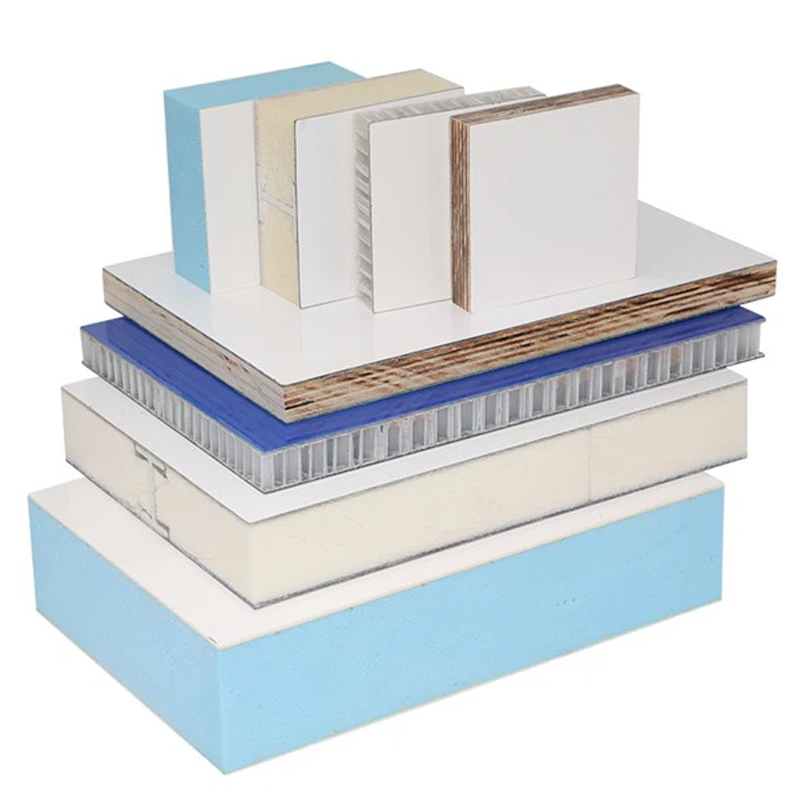
What Are FRP Sandwich Panels?
FRP stands for Fiber Reinforced Plastic or Fiberglass Reinforced Plastic. FRP sandwich panels are composite panels made with:
- FRP skins on both sides
- A lightweight core material in the middle
- Structural adhesive bonding layers
This creates a panel with excellent mechanical strength while remaining lightweight.
Common core materials include:
- XPS foam
- PU foam
- PVC foam
- Honeycomb core
- Plywood core
- PET foam
These panels are widely used in:
- Cold storage rooms
- Clean rooms
- RV and caravan walls
- Truck bodies
- Prefabricated houses
- Industrial wall systems
- Marine interiors
Average FRP Sandwich Panels Price in 2026
The price of FRP sandwich panels in 2026 depends on thickness, core type, panel size, surface finish, and order quantity. Below is a general market estimate:
| Panel Type | Thickness | Estimated Price (USD/m²) |
|---|---|---|
| FRP XPS Sandwich Panel | 20mm | $18 – $28 |
| FRP PU Sandwich Panel | 30mm | $22 – $35 |
| FRP PVC Foam Panel | 25mm | $28 – $45 |
| FRP Honeycomb Panel | 15mm | $35 – $60 |
| FRP Plywood Composite Panel | 18mm | $25 – $40 |
| FRP Wall Panel Decorative | 10mm | $16 – $30 |
For full container orders, prices are usually lower than small quantity purchases.
Main Factors Affecting FRP Sandwich Panel Prices
Understanding pricing variables helps buyers avoid overpaying.
1. Core Material Type
The core material significantly impacts cost.
XPS Foam Core
- Lower price
- Good thermal insulation
- Lightweight
- Popular for cold rooms and wall panels
PU Foam Core
- Better insulation performance
- Higher density
- Higher price than XPS
PVC Foam Core
- Stronger mechanical performance
- Water resistant
- Often used in marine or transport sectors
Honeycomb Core
- Premium lightweight solution
- Excellent stiffness
- More expensive
2. FRP Skin Thickness
Typical FRP skin thickness:
- 0.8mm
- 1.0mm
- 1.5mm
- 2.0mm
- 3.0mm
Thicker skins increase:
- Impact resistance
- Strength
- Price
3. Panel Thickness
Thicker panels require more core material and stronger bonding systems.
Examples:
- 10mm decorative wall panel
- 20mm cold room panel
- 30mm truck body panel
- 50mm insulated construction panel
4. Surface Finish Options
Surface treatment affects both aesthetics and cost.
Common finishes:
- Smooth glossy gelcoat
- Matte anti-slip finish
- Pebbled texture
- UV resistant coating
- Anti-bacterial coating
- Decorative printed surface
Premium coatings increase price but improve service life.
5. Panel Size
Common sizes include:
- 1220 x 2440mm (4×8 ft)
- 1220 x 3050mm
- 1500 x 3000mm
- Customized oversized panels
Larger custom panels may cost more due to transport and production setup.
FRP Sandwich Panels 4×8 Price in 2026
The 4×8 FRP sandwich panel remains one of the most requested standard sizes.
Typical price estimates:
| Panel Type | 4×8 Price Range |
|---|---|
| FRP XPS 20mm | $55 – $90 |
| FRP PU 30mm | $70 – $110 |
| FRP Decorative Wall Panel | $45 – $75 |
| FRP PVC Foam Panel | $85 – $140 |
Prices depend on quantity and shipping destination.
China vs Local Supplier Pricing
Many global buyers compare importing from China versus local distributors.
Buying from Chinese Manufacturers
Advantages:
- Lower factory prices
- OEM customization
- Large production capacity
- Multiple core material options
Possible challenges:
- Shipping cost
- Lead time
- MOQ requirements
Buying Locally
Advantages:
- Faster delivery
- Easier communication
- Lower freight complexity
Challenges:
- Higher unit prices
- Limited customization
FRP Sandwich Panels for Sale: How to Evaluate Offers
Lowest price does not always mean best value.
Check the following:
Density of Core Material
Low-density foam may reduce performance.
Adhesive Quality
Poor bonding leads to delamination.
FRP Resin Type
High-quality resin improves weather resistance.
Surface Flatness
Important for decorative and wall projects.
Fire Rating
Needed for commercial buildings and transport.
Hidden Costs Buyers Should Consider
Besides panel price, total project cost may include:
- Ocean freight
- Inland transportation
- Customs duties
- Packaging charges
- Installation accessories
- Cutting waste
- Fasteners and trims
Always calculate landed cost, not just factory price.
Price Trend of FRP Sandwich Panels in 2026
Several market trends affect pricing this year:
Raw Material Stability
Fiberglass and resin prices are more stable than previous years, helping price predictability.
Rising Demand for Lightweight Panels
Truck body, RV, and modular building demand continues to grow.
Energy Efficiency Regulations
Insulated panels such as XPS and PU core systems are gaining popularity.
Customization Growth
More buyers request CNC cutting, embedded reinforcements, and decorative surfaces.
How to Get the Best FRP Sandwich Panel Price
1. Order Full Container Quantities
Container orders reduce unit cost significantly.
2. Standardize Sizes
Using 4×8 or common sheet sizes lowers waste and production cost.
3. Compare Core Materials
Choose performance level suitable for your project.
4. Request Technical Datasheets
Ensure you compare equivalent products.
5. Work with Direct Manufacturers
Avoid unnecessary trading layers when possible.
Best Applications by Budget Level
Economy Choice
FRP XPS Sandwich Panels
Best for:
- Cold room walls
- Temporary buildings
- Insulated partitions
Mid-Range Choice
FRP PU Panels
Best for:
- Refrigerated trucks
- Energy-saving buildings
Premium Choice
FRP Honeycomb or PVC Foam Panels
Best for:
- Marine use
- High-performance vehicles
- Aerospace-grade lightweight systems
Example Bulk Order Calculation
Suppose you need 500 square meters of FRP XPS panels:
- Unit price: $22/m²
- Product cost: $11,000
- Freight + customs: $3,500
- Total landed cost: $14,500
- Final cost: $29/m² landed
This shows why logistics planning matters.
Questions to Ask Suppliers Before Buying
- What is the real panel thickness tolerance?
- What core density is used?
- What resin system is applied?
- Is UV coating included?
- Can panels be CNC cut?
- What is MOQ?
- What packaging method is used?
- Is fire test report available?
Final Thoughts
The FRP sandwich panels price guide 2026 shows that pricing depends far more on structure and quality than many buyers assume. While entry-level panels may start around $18/m², premium engineered solutions can exceed $60/m².
For most industrial buyers, the smartest strategy is not choosing the cheapest option—but choosing the best balance of:
- Structural strength
- Thermal performance
- Durability
- Shipping efficiency
- Long-term maintenance savings
As demand for lightweight and corrosion-resistant building materials continues to rise, FRP sandwich panels remain one of the best-value composite materials available in 2026.
