
FRP sandwich panels have become one of the most widely used composite materials in construction, transportation, refrigeration, marine engineering, and modular building industries. Their combination of light weight, high strength, corrosion resistance, thermal insulation, and long service life makes them highly attractive for both industrial and commercial applications.
However, one of the most common questions from buyers, importers, contractors, and engineers is: What factors affect FRP sandwich panel prices?
The answer is not simple because FRP sandwich panel pricing depends on multiple technical and commercial variables. Two panels may look similar on the surface, but their actual cost can vary significantly based on materials, manufacturing quality, specifications, and order conditions.
This article explains the major factors influencing FRP sandwich panel prices so buyers can make better purchasing decisions and avoid hidden risks.
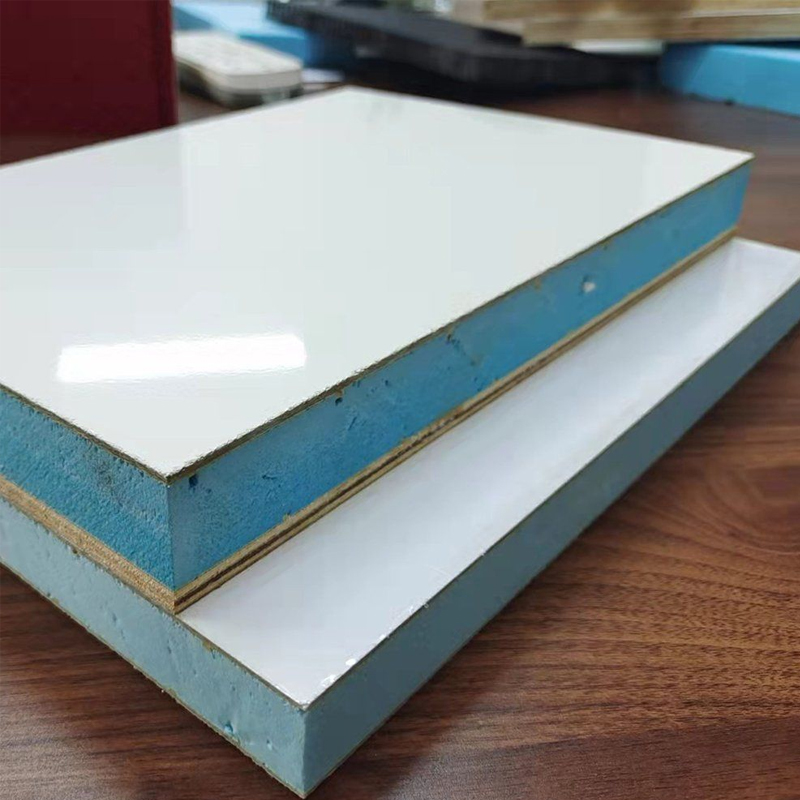
What Is an FRP Sandwich Panel?
FRP stands for Fiber Reinforced Plastic (also called Fiberglass Reinforced Plastic). A sandwich panel is a composite structure made of:
- Outer FRP skins on both sides
- A lightweight core material in the center
- Structural adhesive layers bonding all components together
This structure delivers excellent stiffness and strength while keeping weight low.
Typical applications include:
- Truck body panels
- RV and caravan walls
- Cold room panels
- Clean room systems
- Marine cabins
- Portable houses
- Industrial partitions
- Roof and wall systems
Why FRP Sandwich Panel Prices Vary So Much
Many buyers compare quotations and notice large price differences between suppliers. In most cases, these price gaps are caused by differences in material specifications or production quality rather than profit margin alone.
Below are the most important pricing factors.
1. Core Material Type
The core material is one of the biggest cost drivers in FRP sandwich panels.
XPS Foam Core
XPS (Extruded Polystyrene) is cost-effective and offers good insulation.
Advantages:
- Low price
- Lightweight
- Good thermal performance
Best for:
- Cold room walls
- Building insulation panels
- Partition systems
Usually lower-priced than premium cores.
PU Foam Core
Polyurethane foam provides excellent thermal insulation and structural support.
Advantages:
- Better insulation than XPS
- Stronger compression performance
Often more expensive than XPS.
PVC Foam Core
PVC foam is commonly used in marine and transport applications.
Advantages:
- Water resistant
- Strong mechanical properties
- Durable
Higher cost than XPS or PU.
Honeycomb Core
Aluminum or PP honeycomb cores are premium lightweight solutions.
Advantages:
- Extremely lightweight
- High stiffness
- Strong flatness
Usually among the highest priced options.
2. FRP Skin Thickness
FRP skins are the structural outer layers. Thickness strongly affects both strength and cost.
Common thickness options:
- 0.8mm
- 1.0mm
- 1.5mm
- 2.0mm
- 3.0mm
Thicker skins mean:
- Higher fiberglass consumption
- More resin usage
- Better impact resistance
- Better durability
A panel with 2.0mm FRP skins can cost significantly more than one with 1.0mm skins.
3. Resin Quality and Formulation
Not all FRP sheets are manufactured with the same resin system.
Common resin types:
- Polyester resin
- Vinyl ester resin
- Epoxy resin
Polyester Resin
Most economical and widely used.
Vinyl Ester Resin
Better corrosion resistance and moisture resistance.
Epoxy Resin
Premium structural applications.
Higher-grade resins improve performance but increase price.
4. Panel Thickness
Overall panel thickness affects how much core material is used.
Examples:
- 10mm decorative panel
- 20mm wall panel
- 30mm truck body panel
- 50mm insulated cold room panel
Thicker panels generally cost more because of:
- More core material
- Longer pressing cycle
- Stronger bonding requirements
5. Density of Core Material
This is one of the most overlooked factors.
For example, two XPS panels may look identical, but one may use:
- 28 kg/m³ density foam
- 40 kg/m³ density foam
Higher density usually means:
- Better strength
- Better screw holding capacity
- Better dimensional stability
But also higher price.
Always confirm density when comparing quotations.
6. Surface Finish and Coating
FRP panel surfaces can be customized with different finishes.
Common options:
- Smooth glossy gelcoat
- Matte finish
- Orange peel texture
- Anti-slip finish
- UV resistant coating
- Anti-bacterial coating
- Decorative printed finish
Premium coatings add value through:
- Longer outdoor lifespan
- Better appearance
- Easier cleaning
- Higher weather resistance
They also raise manufacturing cost.
7. Fire Retardant Requirements
Many projects require flame-retardant or fire-rated panels.
This may involve:
- Fire-resistant core material
- Fire-retardant resin additives
- Special surface systems
- Compliance testing
Panels with fire certification are more expensive than standard versions but necessary for many buildings and transport projects.
8. Panel Size and Custom Dimensions
Standard sizes are cheaper to produce than custom oversized sheets.
Typical standard sizes:
- 1220 x 2440mm (4×8)
- 1220 x 3050mm
Custom sizes may increase cost because of:
- Production setup changes
- More waste
- Special packaging
- Difficult transportation
9. Manufacturing Method
Production technology directly affects quality and price.
Hand Lay-Up Method
Lower equipment investment, slower production.
Continuous Lamination Line
Higher consistency, faster production, better flatness.
Vacuum Pressing
Used for premium panels requiring strong bonding and flatness.
Advanced production lines usually produce better panels but at slightly higher prices.
10. Quantity Ordered
Order volume strongly influences price.
Small Orders
- Higher unit cost
- Setup costs spread over fewer panels
Full Container Orders
- Lower price per square meter
- Better freight efficiency
Bulk purchasing usually gives the best value.
11. Packaging and Shipping
Export packaging can add cost.
Examples:
- Wooden pallets
- Steel frames
- Corner protection
- Waterproof wrapping
Shipping costs depend on:
- Destination country
- Container rates
- Panel size
- Loading efficiency
Sometimes freight increases total cost more than manufacturing.
12. Supplier Experience and Reputation
Established manufacturers may charge more because they offer:
- Stable quality
- Better technical support
- Lower defect rate
- Reliable delivery schedules
- Export documentation support
Cheaper unknown suppliers may create hidden costs through delays or quality issues.
13. Certification and Testing Reports
Panels tested for standards such as:
- Fire resistance
- Thermal conductivity
- Water absorption
- Mechanical strength
- UV aging
These certifications require investment, which may be reflected in price.
Example Price Comparison
| Panel Specification | Estimated Price Level |
|---|---|
| FRP XPS 20mm Standard | Low |
| FRP PU 30mm UV Coated | Medium |
| FRP PVC Foam 25mm Marine Grade | High |
| FRP Honeycomb 15mm Lightweight | Premium |
How Buyers Can Reduce Costs Without Sacrificing Quality
Choose Correct Specifications
Do not over-specify premium materials if unnecessary.
Use Standard Sizes
4×8 sheets often reduce waste and production cost.
Order Full Containers
Better freight efficiency lowers landed cost.
Compare Real Technical Data
Check density, skin thickness, resin type, not only price.
Work with Reliable Manufacturers
Consistency often saves money long term.
Common Mistakes When Comparing Prices
- Ignoring foam density
- Comparing different skin thicknesses
- Not checking resin quality
- Ignoring shipping cost
- Buying non-certified panels for regulated projects
- Choosing cheapest quote without samples
Final Thoughts
So, what factors affect FRP sandwich panel prices? The biggest influences are:
- Core material type
- FRP skin thickness
- Resin quality
- Panel thickness
- Surface finish
- Fire rating
- Size customization
- Production method
- Order quantity
- Shipping cost
- Supplier reliability
A low quotation may not represent true value if the panel has poor bonding, weak core density, or short service life.
The smartest purchasing strategy is to evaluate total cost, performance, and long-term durability rather than focusing only on the initial unit price.
As global demand for lightweight composite materials grows, understanding these pricing factors helps buyers secure better FRP sandwich panel solutions at the right budget.
