
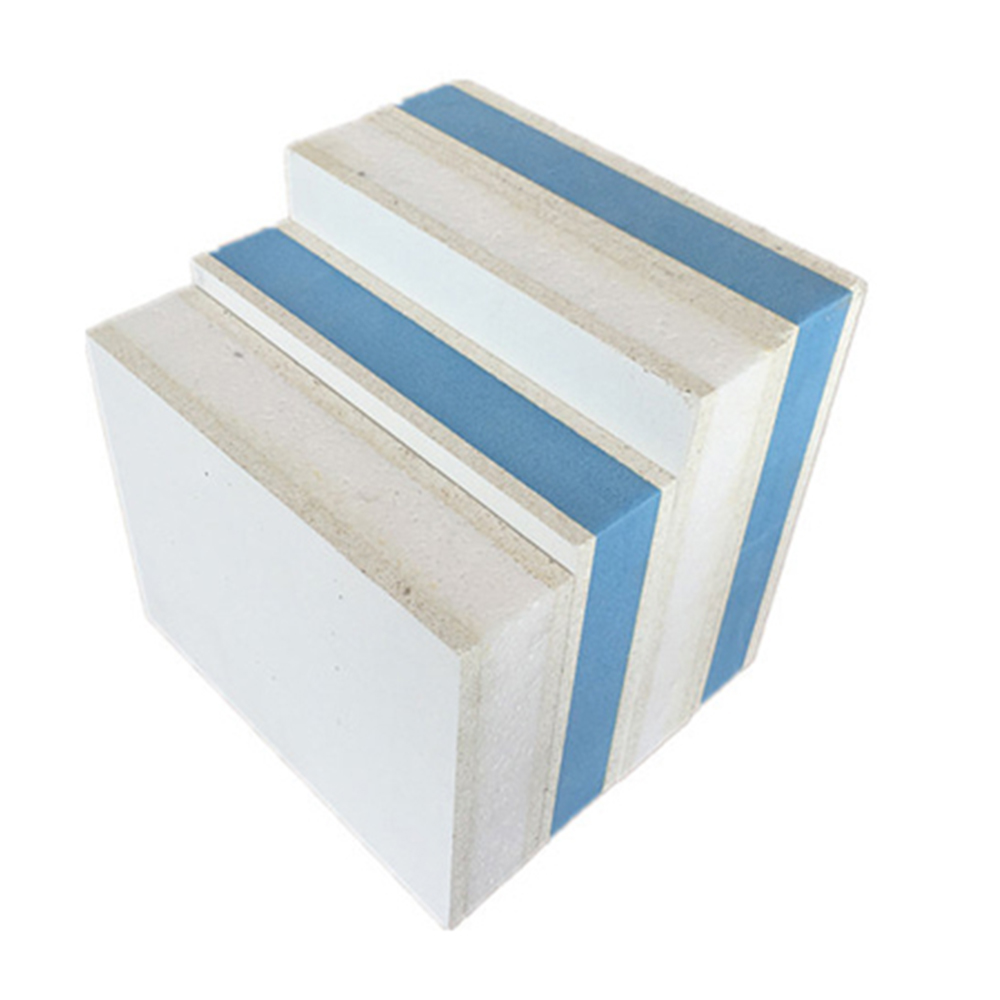
Quality consistency is one of the most important supplier-selection criteria when purchasing composite core materials for long-term or high-volume production. A supplier may provide an excellent sample, but if production batches show significant variations in density, thickness, mechanical properties, surface condition, or dimensions, the material can create serious downstream manufacturing and quality problems.
The first parameter buyers should monitor is density consistency. Density directly affects weight and is often correlated with compressive and shear performance. Significant density variation can therefore result in inconsistent structural performance across finished sandwich panels.
The second critical parameter is thickness tolerance. Sandwich panel thickness affects bending stiffness, dimensional accuracy, adhesive consumption, and final assembly. If the core thickness varies excessively, the finished product may require additional machining or adjustment.
Surface quality is also important. Composite core materials used with adhesive bonding or resin infusion require a predictable surface condition. Contamination, damaged areas, uneven surfaces, or inconsistent treatment can affect skin-to-core bonding.
Recommended Incoming Quality-Control Parameters
| Parameter | Recommended Inspection |
| Density | Sampling by production batch |
| Thickness | Multiple-point measurement |
| Length/width | Dimensional inspection |
| Surface condition | Visual + functional inspection |
| Compressive strength | Periodic laboratory testing |
| Shear strength | Periodic laboratory testing |
| Water absorption | Periodic validation |
| Cell/foam structure | Sampling inspection |
| Packaging | Damage and moisture inspection |
| Batch traceability | Certificate/document review |
For large projects, buyers should request a Certificate of Analysis (COA) or batch test report. The documentation should identify the product grade, density, thickness, production batch, testing date, and relevant test results.
Statistical Process Control (SPC) can also be useful for high-volume manufacturing. Instead of testing only the finished products, suppliers can monitor production variables such as density, thickness, temperature, pressure, and raw material conditions throughout the manufacturing process.
Another important consideration is sample-to-production consistency. Before approving a supplier, buyers should compare the prototype or sample material with subsequent production batches. If the sample was manufactured under different conditions from mass production, its performance may not accurately represent the material that will eventually be delivered.
For international procurement, packaging and transportation should also be considered. Even high-quality composite core materials can be damaged during shipping if they are exposed to excessive compression, moisture, or rough handling.
A professional supplier evaluation should therefore include both product quality and manufacturing-system quality. Buyers should assess production capacity, process control, laboratory equipment, inspection procedures, traceability, raw-material management, and corrective-action procedures.
The objective is not simply to find composite core materials that pass one laboratory test. The objective is to establish a stable supply chain in which every batch performs within a predictable specification.
For long-term OEM and project procurement, quality consistency can ultimately be more valuable than a small difference in unit price.
