
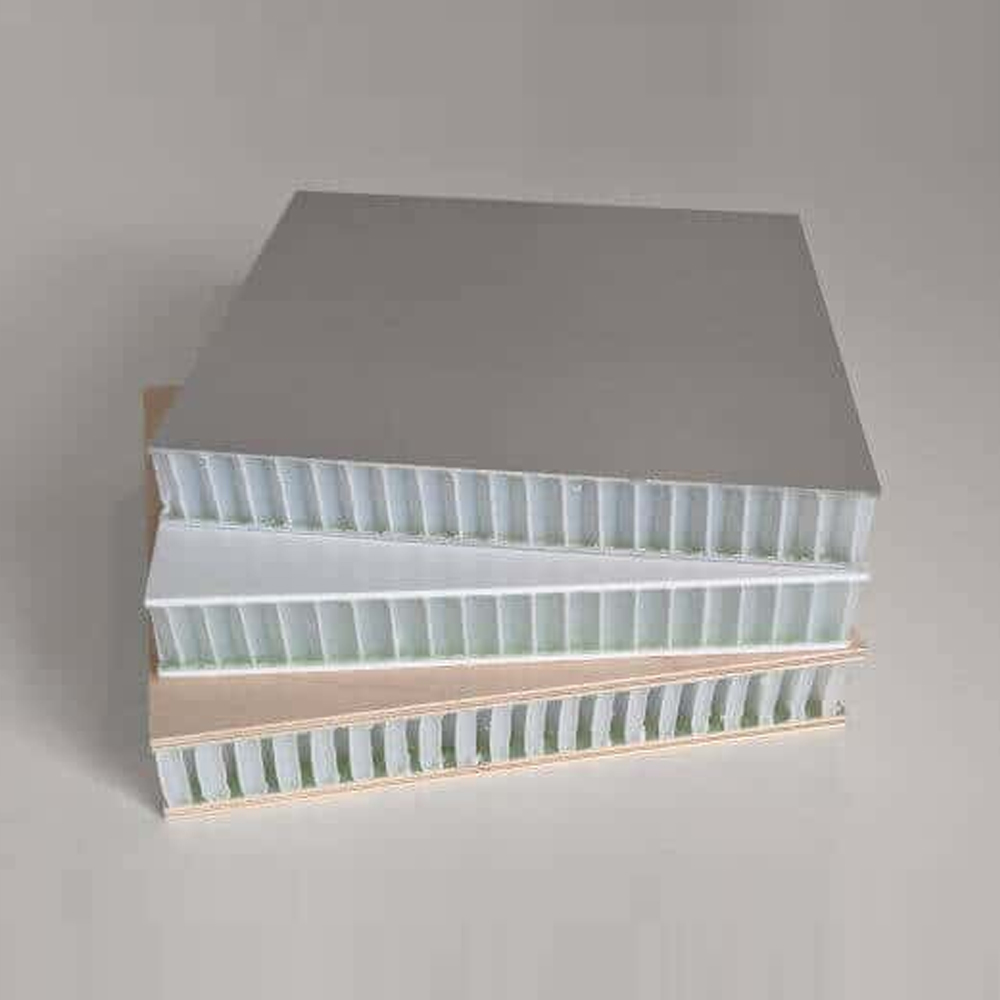
Selecting the correct Fiberglass Honeycomb Panel specification is one of the most important decisions for engineers, purchasing managers, and project developers.
Although Fiberglass Honeycomb Panels are widely recognized for their lightweight structure and excellent mechanical performance, different applications require different panel designs.
A panel suitable for a yacht interior may not be suitable for a heavy-duty transportation structure. Similarly, a panel designed for indoor industrial equipment may not perform well in outdoor or marine environments.
Choosing the wrong specification can lead to:
- Insufficient structural strength
- Increased project costs
- Installation difficulties
- Reduced service life
- Performance failures
A professional purchasing decision should consider several factors:
- Application environment
- Load requirements
- Panel thickness
- Core structure
- Fiberglass skin design
- Weight limitations
- Long-term durability
This guide explains how to select the correct Fiberglass Honeycomb Panel specifications for three major application areas:
- Marine applications
- Transportation applications
- Industrial applications
1. Understanding Fiberglass Honeycomb Panel Structure
Before selecting specifications, buyers should understand the basic structure of the panel.
A typical Fiberglass Honeycomb Panel consists of:
Fiberglass Reinforced Polymer (FRP) Skin
The outer layers provide:
- Surface protection
- Impact resistance
- Tensile strength
- Environmental resistance
Honeycomb Core
The middle layer provides:
- Structural support
- Thickness increase
- Shear resistance
- Weight reduction
The combination creates a lightweight composite structure with excellent strength-to-weight performance.
2. Selecting Fiberglass Honeycomb Panels for Marine Applications
Marine industries are one of the most important application areas for Fiberglass Honeycomb Panels.
Common applications include:
- Yacht interiors
- Boat cabin walls
- Marine ceilings
- Ship partitions
- Deck panels
- Lightweight furniture structures
Marine environments create special challenges:
- High humidity
- Saltwater exposure
- Continuous vibration
- Temperature changes
Therefore, material selection is critical.
Recommended Marine Panel Characteristics
1. Excellent Moisture Resistance
Marine panels must prevent:
- Water absorption
- Core degradation
- Delamination
The panel structure should maintain stable performance under long-term humidity conditions.
2. High Corrosion Resistance
Compared with metal-based materials, Fiberglass Honeycomb Panels provide excellent resistance against:
- Saltwater
- Chemicals
- Marine atmosphere
This helps reduce maintenance requirements.
3. Lightweight Design
Weight reduction is extremely important in marine applications.
A lighter structure can provide:
- Better fuel efficiency
- Higher payload capacity
- Improved vessel performance
Marine Specification Considerations
When selecting marine Fiberglass Honeycomb Panels, buyers should evaluate:
Panel Thickness
Common thickness ranges:
- 10mm
- 15mm
- 20mm
- 25mm
- Customized thickness
Selection depends on:
- Structural requirements
- Panel size
- Installation location
Core Density
Higher-density cores provide:
- Higher compression strength
- Better impact resistance
Lower-density cores provide:
- Lower weight
- Cost advantages
The correct balance depends on the application.
3. Selecting Fiberglass Honeycomb Panels for Transportation Applications
Transportation industries require materials that provide strength while reducing weight.
Typical applications include:
- RV body panels
- Truck compartments
- Trailer walls
- Vehicle interior panels
- Special transport equipment
The main purchasing goals are:
- Weight reduction
- Structural durability
- Easy processing
- Long service life
Why Transportation Manufacturers Choose Fiberglass Honeycomb Panels
Weight Reduction
Traditional materials such as steel or solid panels increase vehicle weight.
Fiberglass Honeycomb Panels provide:
- High stiffness
- Lower weight
- Better energy efficiency
Improved Structural Performance
The honeycomb structure improves:
- Bending resistance
- Panel stiffness
- Impact performance
This makes the panels suitable for mobile structures exposed to vibration and dynamic loads.
Transportation Specification Selection
Important factors include:
Panel Thickness
Transportation panels commonly require:
- Medium thickness structures
- High stiffness-to-weight ratio
The correct thickness depends on:
- Vehicle size
- Load requirements
- Installation method
Surface Requirements
Transportation panels may require:
- Smooth finish
- Decorative surfaces
- Weather-resistant coatings
The surface design should match the final application.
Processing Requirements
Buyers should consider:
- Cutting method
- Installation method
- Connection design
A supplier with CNC processing capability can provide more efficient solutions.
4. Selecting Fiberglass Honeycomb Panels for Industrial Applications
Industrial applications often require customized composite solutions.
Typical applications include:
- Equipment covers
- Machine panels
- Protective structures
- Industrial enclosures
- Special engineering projects
Industrial buyers usually focus on:
- Mechanical performance
- Chemical resistance
- Customization capability
Industrial Application Requirements
High Strength
Industrial panels may need to withstand:
- External impact
- Mechanical loads
- Continuous operation conditions
Chemical Resistance
Some industrial environments involve exposure to:
- Chemicals
- Oils
- Cleaning agents
Fiberglass surfaces provide excellent protection.
Custom Manufacturing
Industrial projects often require:
- Special sizes
- Non-standard shapes
- Reinforced areas
Therefore, supplier engineering capability is very important.
5. How to Select the Right Panel Thickness
Thickness is one of the most important specifications.
A thicker Fiberglass Honeycomb Panel generally provides:
- Higher stiffness
- Better load-bearing capability
- Improved impact resistance
However, thicker panels also increase:
- Weight
- Material cost
- Transportation cost
Professional selection should consider:
Required Load
Higher loads require stronger structures.
Panel Size
Large panels usually require increased thickness.
Installation Method
Supported panels may require less thickness than unsupported structures.
6. How to Select the Right Honeycomb Core
The core selection affects overall performance.
Important parameters include:
Core Material
Different core materials provide different advantages.
Selection depends on:
- Strength requirements
- Environmental conditions
- Cost objectives
Core Thickness
A thicker core generally improves:
- Bending stiffness
- Structural efficiency
Core Density
Higher density:
- Higher strength
- Better durability
Lower density:
- Lower weight
- Lower cost
The ideal specification balances performance and economy.
7. Working With an Experienced Manufacturer
Because Fiberglass Honeycomb Panels are customized engineering products, choosing the right manufacturer is essential.
A professional supplier should provide:
Technical Consultation
Helping customers determine:
- Suitable structure
- Correct specifications
- Application solutions
Custom Production
Including:
- Thickness customization
- Size customization
- Surface options
- Special designs
Quality Control
Including:
- Material inspection
- Production monitoring
- Final testing
Why Choose Foshan Onebond Building Materials Co., Ltd.
Foshan Onebond Building Materials Co., Ltd. specializes in advanced composite materials and customized lightweight panel solutions.
We support global customers in selecting the right Fiberglass Honeycomb Panel specification according to their application requirements.
Our professional advantages include:
Engineering-Based Solutions
We analyze:
- Application environment
- Strength requirements
- Weight targets
- Budget considerations
to recommend suitable panel structures.
Customized Manufacturing
Onebond provides:
✔ Customized thickness
✔ Customized dimensions
✔ Different core options
✔ OEM composite panel solutions
Reliable Production Capability
With professional manufacturing equipment and experienced technical teams, Onebond ensures stable product quality and reliable delivery.
Frequently Asked Questions
Q1: What thickness Fiberglass Honeycomb Panel should I choose?
The correct thickness depends on application, load requirements, panel size, and installation conditions. A professional manufacturer can recommend the best option.
Q2: Are Fiberglass Honeycomb Panels suitable for marine environments?
Yes. They provide excellent moisture resistance, corrosion resistance, and lightweight performance, making them suitable for marine applications.
Q3: Can Fiberglass Honeycomb Panels be customized for special projects?
Yes. Manufacturers can customize panel size, thickness, core structure, and surface treatment according to project requirements.
